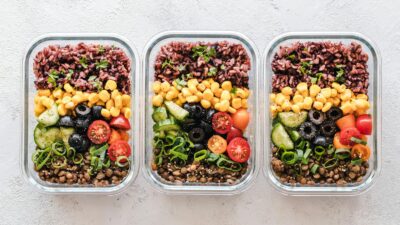
Healthy carbs are carbohydrate-containing foods that are minimally processed, rich in fiber, and digest slowly enough to produce a steady rise in blood sugar. The five core groups are whole grains, legumes, non-starchy vegetables, whole fruits, and plain dairy. Refined grains, added sugars, and sugary drinks are the carbs to limit.
What Makes a Carb “Healthy”
Carbohydrate is one of the three macronutrients, alongside protein and fat. All carbs eventually break down into glucose, but the speed and steadiness of that breakdown vary enormously depending on the food’s structure, fiber content, and processing.
A healthy carb checks most of these boxes:
- Minimally processed: Close to its whole-food form.
- High in fiber: At least 3 grams per serving, ideally more.
- Low to moderate glycemic index: Below 55 on the GI scale.
- Nutrient-dense: Delivers vitamins, minerals, or polyphenols alongside calories.
- No added sugars: Sweetness comes from the food itself.
The Five Healthy-Carb Food Groups
1. Whole grains
Intact or minimally cracked grains keep their bran (fiber) and germ (vitamins, minerals, healthy fats). Top choices include:
- Steel-cut or rolled oats
- Quinoa
- Barley (especially hulled)
- Brown or wild rice
- Whole-grain rye
- Buckwheat
- Farro and bulgur
- 100% whole-grain or sprouted-grain bread
2. Legumes
Beans, lentils, and chickpeas are the all-stars of healthy carbs. They combine slow-digesting starch with substantial protein and fiber, producing one of the gentlest blood-sugar curves of any carb food.
- Black beans, kidney beans, pinto beans, navy beans
- Lentils (red, green, brown, French)
- Chickpeas
- Split peas
- Edamame and soybeans
3. Non-starchy vegetables
Most vegetables are technically carbs, but their carb content per serving is so low (and fiber so high) that they barely move blood sugar. Eat freely:
- Leafy greens (spinach, kale, lettuce, arugula)
- Cruciferous (broccoli, cauliflower, cabbage, Brussels sprouts)
- Peppers, tomatoes, cucumbers, zucchini
- Asparagus, green beans, mushrooms
4. Fruits
Whole fruits provide carbs alongside fiber, water, and antioxidants. Best choices: berries, apples, pears, citrus, stone fruits. See our fruits-for-diabetics guide for portion details.
5. Plain dairy
Plain milk, plain Greek yogurt, and kefir contain lactose (a natural sugar) plus protein and fat that buffer the glucose response. Avoid sweetened versions, which can have as much sugar as soda.
Comparing Healthy and Unhealthy Carbs
| Healthy Carb | Unhealthy Counterpart | Why the Difference Matters |
|---|---|---|
| Steel-cut oats | Sugary instant oatmeal | Less added sugar, slower digestion |
| Brown rice | White rice | 3x the fiber, lower GI |
| 100% whole-wheat bread | White bread | More fiber, B vitamins, minerals |
| Sweet potato (with skin) | White potato chips | Lower processing, more nutrients |
| Black beans | Refried beans (added fat/salt) | Cleaner ingredient list |
| Whole apple | Apple juice | Fiber preserved, no added sugar |
| Plain Greek yogurt | Flavored yogurt | Up to 20g less added sugar per cup |
| Air-popped popcorn | Pretzels or crackers | Whole grain, more fiber per calorie |
Carbs to Limit or Avoid
Refined grains
White bread, white rice, white pasta, most breakfast cereals, crackers, pretzels, bagels, and pastries strip the bran and germ from the grain. The result digests fast and spikes blood sugar.
Added sugars
The American Heart Association recommends no more than 25g (women) or 36g (men) of added sugar per day. Common sources: soda, candy, baked goods, sweetened yogurt, condiments (ketchup, BBQ sauce), flavored coffee drinks.
Sugary beverages
Soda, sweet tea, sports drinks, and fruit juice deliver pure liquid sugar with no fiber. They are the single largest source of added sugar in the American diet.
Ultra-processed snacks
Chips, sweetened cereals, cookies, and packaged baked goods combine refined carbs with added sugar and fat — a triple hit for blood sugar and weight.
How to Build Meals Around Healthy Carbs
Use the diabetes plate method:
- Half the plate: Non-starchy vegetables.
- One quarter: Healthy carb (whole grain, legume, or starchy vegetable).
- One quarter: Lean protein (fish, chicken, tofu, beans).
- Side: Small serving of fruit or plain dairy.
Reading a Label for Healthy Carbs
When shopping, scan for:
- Ingredients list: First ingredient should say “whole” (whole wheat, whole oats).
- Fiber: 3+ grams per serving for grain products.
- Added sugars: Look at the “Includes Xg Added Sugars” line. Aim for 0-5g per serving.
- Sugar alcohols: Listed separately; have less impact on blood sugar than regular sugar.
Daily Carb Targets
According to the 2020-2025 Dietary Guidelines for Americans, carbs should make up 45-65% of total daily calories. For someone eating 2,000 calories, that is 225-325 grams. People with prediabetes or diabetes often do best on the lower end (130-200g) from primarily whole-food sources, distributed evenly across meals.
| Calorie Level | Carb Range (45-50%) | Per Meal (3 meals) |
|---|---|---|
| 1,500 | 170-190g | 50-60g |
| 1,800 | 200-225g | 60-75g |
| 2,000 | 225-250g | 70-80g |
| 2,500 | 280-310g | 90-100g |
Healthy Carb Swaps That Work
- Swap white pasta for chickpea or lentil pasta — same texture, double the protein and fiber.
- Swap mashed potatoes for mashed cauliflower or half-and-half mashed sweet potato.
- Swap white rice for cauliflower rice, brown rice, or quinoa.
- Swap sweetened cereal for oatmeal topped with berries and nuts.
- Swap juice for sparkling water with a splash of citrus.
The Bottom Line
Healthy carbs are not a mystery — they are simply foods close to how nature delivered them. Whole grains, legumes, vegetables, fruits, and plain dairy form the base of every evidence-based eating pattern shown to support blood sugar and heart health. Refined grains, added sugars, and sugary drinks are the carbs to crowd out. For a deeper look at putting these foods together for blood sugar control, see our complex carbohydrates guide and the prediabetes diet plan.