To bring down a single high blood sugar reading, walk for 10-15 minutes, drink 16 ounces of water, and do not eat more carbohydrates. Over weeks, the combination that reliably lowers A1C is 5-7 percent weight loss, 150 minutes of weekly moderate activity, and a Mediterranean or DASH-style eating pattern. Here is exactly how to do both.
Bringing Down a High Reading in the Moment
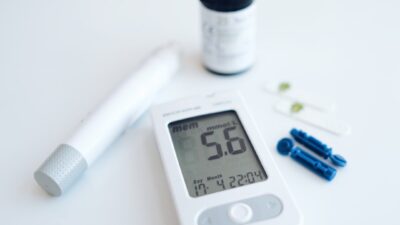
If your home meter shows 200 mg/dL or higher, start by assessing the context: did you just eat, is the cuff or sensor working, were you stressed or dehydrated? Then take three actions. First, walk at a conversational pace for 10-15 minutes. Muscle contraction increases glucose uptake by a factor of five without needing insulin. Second, drink a large glass of water to support kidney filtration. Third, skip the next snack. Recheck in 30-60 minutes; the reading should drop 20-50 mg/dL.
Why Walking Works
The Reynolds 2016 Diabetologia study showed that three 10-minute post-meal walks per day cut the glucose rise after meals by 12 percent and by up to 22 percent after dinner. Walking within 15 minutes of the last bite beats the same walk an hour later. Continuous glucose monitor data confirms that a post-dinner walk can shave 30 mg/dL off the overnight peak, which translates to a calmer fasting reading the next morning.
Hydration and Blood Sugar
Dehydration concentrates blood glucose, making readings look worse than they are. Adequate fluid intake also gives the kidneys volume to filter out excess sugar through urine. Adults producing more than 1.5 liters of urine a day are less likely to develop hyperglycemia than those making less than a liter. Plain water is best; avoid sports drinks and juice.
Food Choices That Bring Numbers Down
No food lowers blood sugar in the short run, but the right meals keep the next reading from spiking. Pair any carbohydrate with protein, fiber, or fat. Start meals with a non-starchy vegetable or small salad dressed in vinegar. Swap white bread and rice for beans, lentils, or quinoa. Over two weeks of consistent choices, fasting glucose typically drops 10-20 mg/dL. See the diet and nutrition hub for meal patterns.
The Plate Method
Fill half your plate with non-starchy vegetables, a quarter with lean protein, and a quarter with whole grains or starchy vegetables. Add a thumb of healthy fat. This structure keeps each meal’s carbohydrate load under 45-60 grams for a typical adult, which most insulin systems, even mildly resistant ones, can handle without a big spike.
The Long-Term Plan
The Diabetes Prevention Program enrolled 3,234 adults with prediabetes and randomized them to lifestyle intervention, metformin, or placebo. The lifestyle arm, aiming for 7 percent weight loss and 150 minutes of weekly activity, cut progression to type 2 diabetes by 58 percent over three years. Metformin cut it by 31 percent. Bringing down blood sugar for life takes small, repeatable choices.
| Intervention | Typical A1C drop | Time to effect |
|---|---|---|
| 5-7% weight loss | 0.5-1.0% | 3-6 months |
| 150 min/week exercise | 0.4-0.7% | 6-12 weeks |
| Mediterranean diet | 0.3-0.6% | 3 months |
| Post-meal walks (10 min x3) | 0.2-0.4% | 4-8 weeks |
| Metformin | 1.0-1.5% | 6-12 weeks |
Sleep, Stress, and Blood Sugar
Sleeping fewer than six hours a night raises fasting glucose by 10-20 mg/dL on average and blunts insulin sensitivity by up to 30 percent the next day. Chronic stress drives cortisol, which promotes hepatic glucose production. Simple interventions like a consistent bedtime, sunlight in the morning, and ten minutes of slow breathing before bed lower both fasting glucose and A1C measurably over a month.
When Medication Helps
If A1C is above 6.0 and lifestyle alone is not moving the needle within three to six months, metformin is the most common first-line medication. It reduces hepatic glucose output and is considered safe for most adults. Newer options like GLP-1 agonists lower A1C by 1-1.5 points and also produce weight loss. These are prescribed by a doctor, not chosen off-label. See the treatment hub for options and side effects.
When to Call a Doctor
Call your physician the same day if a reading exceeds 240 mg/dL with symptoms (thirst, blurred vision, nausea), or exceeds 300 without symptoms. Seek emergency care for readings over 400, fruity breath, deep and rapid breathing, confusion, or vomiting that prevents fluid intake. These can signal diabetic ketoacidosis or hyperosmolar hyperglycemic state, both life-threatening.
The Bottom Line
To bring down blood sugar quickly, walk, hydrate, and stop eating carbohydrates. To bring it down for good, lose modest weight, exercise 150 minutes a week, eat a Mediterranean-style pattern, sleep at least seven hours, and take medication if your clinician recommends it. Track your numbers for two weeks, measure progress in A1C, and treat any reading above 300 as a medical event.