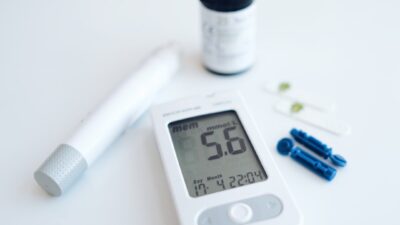
A 120 blood sugar reading has different meanings depending on when it was measured. Fasting (after 8+ hours without food), 120 mg/dL falls in the prediabetes range. One to two hours after a meal, 120 mg/dL is completely normal. Context — timing, recent food, stress, illness — matters as much as the number itself.
What 120 mg/dL Means by Context
| When Measured | 120 mg/dL Classification | Target Range (Non-diabetic) |
|---|---|---|
| Fasting (8+ hrs no food) | Prediabetes | Below 100 mg/dL |
| 1 hour after eating | Normal | Below 180 mg/dL |
| 2 hours after eating | Normal | Below 140 mg/dL |
| Random (unknown meal timing) | Generally normal | Below 140 mg/dL |
| During oral glucose tolerance test (2 hr) | Normal | Below 140 mg/dL |
Fasting 120: In the Prediabetes Range
A fasting blood glucose of 120 mg/dL means that after 8 or more hours without eating, your blood still contains more glucose than it should. According to the American Diabetes Association, fasting glucose of 100–125 mg/dL indicates prediabetes (impaired fasting glucose), and 126 mg/dL or higher indicates diabetes. At 120, you are near the top of the prediabetes range.
This is not a diabetes diagnosis, but it is a signal that insulin resistance has likely been developing for some time. Your pancreas may no longer be producing enough insulin overnight to keep fasting glucose in the normal range.
Post-Meal 120: Normal and Healthy
After a meal, your blood sugar naturally rises as carbohydrates are digested and absorbed. In someone without diabetes, glucose typically peaks within one hour and returns to near baseline within two to three hours. A reading of 120 mg/dL one or two hours after a meal indicates your insulin is doing its job.
The CDC considers a post-meal glucose under 140 mg/dL normal, 140–199 mg/dL as impaired glucose tolerance (prediabetes), and 200 mg/dL or higher as diabetes.
Random 120: Usually Fine
If you measured 120 mg/dL at a random moment — not fasting, not right after a meal — it is almost certainly within the normal range. Random readings are less useful diagnostically because food, stress, activity, and hydration all influence the number. Only a random reading of 200 mg/dL or higher, combined with symptoms, would trigger a diabetes evaluation.
What to Do If Your Fasting Glucose Was 120
Step 1: Confirm the Reading
A single fasting glucose of 120 mg/dL is not a diagnosis. Your doctor will typically repeat the fasting test on another day and may order an A1C test to see your average blood sugar over the past 2–3 months. This avoids false positives from illness, poor sleep, or a late-night snack.
Step 2: Review Risk Factors
- Family history of type 2 diabetes
- Being overweight, especially with abdominal weight
- Age 45 or older
- Physical inactivity
- High blood pressure or high triglycerides
- History of gestational diabetes or PCOS
Step 3: Make Lifestyle Changes
The Diabetes Prevention Program showed that modest weight loss and 150 minutes of weekly activity reduced diabetes risk by 58%. Practical steps:
- Cut refined carbs and added sugars: swap white bread and soda for whole grains, legumes, and water
- Increase fiber to 25–30 g/day from vegetables, beans, and whole grains
- Walk after meals — even 15 minutes lowers post-meal glucose
- Aim for 5–7% weight loss if you are carrying extra weight
- Protect sleep — 7–9 hours nightly improves insulin sensitivity
For a meal-planning framework, see our diet and nutrition guide.
Foods That Help Keep Blood Sugar in Range
- Non-starchy vegetables — broccoli, leafy greens, peppers, cauliflower
- Lean proteins — chicken, fish, tofu, eggs
- Legumes — lentils, chickpeas, black beans
- Whole grains — oats, quinoa, barley, brown rice in portion-controlled amounts
- Nuts and seeds — almonds, walnuts, chia, flax
- Healthy fats — olive oil, avocado, fatty fish
When to Contact Your Doctor
Reach out if you see repeated fasting readings above 100 mg/dL, post-meal readings above 140 mg/dL, or any reading above 200 mg/dL. Also contact your doctor promptly if you experience excessive thirst, frequent urination, unexplained weight loss, blurred vision, or slow-healing wounds — these can indicate higher blood sugar than the meter alone suggests. You can also review our prediabetes 101 overview for a wider context.
The Bottom Line
A 120 blood sugar reading is either normal or mildly elevated depending on when it was taken. After a meal, 120 mg/dL is squarely in the healthy range. Fasting, the same number places you in the prediabetes category and deserves a follow-up test. Either way, the practical response is the same: keep meals balanced, stay active, protect sleep, and get an A1C if your fasting numbers consistently sit above 100 mg/dL. Catching elevated blood sugar at 120 gives you plenty of runway to bring it back into the normal range.