Insulin resistance develops when your cells stop responding efficiently to insulin, forcing your pancreas to produce more and more to keep blood sugar in check. Certain foods accelerate this process by causing repeated blood sugar spikes, promoting inflammation, or contributing to fat accumulation in the liver. Understanding why each food is problematic helps you make informed choices rather than following a blind list of restrictions.
Refined Carbohydrates
Refined carbohydrates are the primary dietary driver of insulin resistance. When grains are refined — stripped of their bran and germ — they lose most of their fiber, turning into rapidly digestible starch that hits your bloodstream almost as fast as pure sugar.
Why They Drive Insulin Resistance
Every time you eat a refined carbohydrate, your blood sugar rises quickly. Your pancreas responds by releasing a surge of insulin. When this cycle repeats multiple times daily over months and years, your cells begin to “tune out” the insulin signal. It’s like knocking on someone’s door so often that they stop answering.
Common Sources
- White bread, bagels, and flour tortillas
- White pasta
- Most breakfast cereals (especially sweetened varieties)
- Crackers, pretzels, and chips
- Baked goods — muffins, pastries, cakes, cookies
Sugary Drinks
Sugary beverages are arguably the single worst category of food for insulin resistance. A landmark study in Diabetes Care found that people who consumed one or more sugar-sweetened beverages daily had a 26% higher risk of developing type 2 diabetes compared to those who rarely drank them.
Why They’re Especially Harmful
Liquid sugar is absorbed faster than sugar in solid food because there’s no fiber or protein to slow digestion. A 20-ounce soda delivers about 65 grams of sugar — all of it hitting your bloodstream within minutes. This creates an extreme insulin demand. Additionally, the fructose in sugary drinks is processed primarily by the liver, contributing to non-alcoholic fatty liver disease, which is closely linked to insulin resistance.
Common Sources
- Regular soda and energy drinks
- Fruit juice (even 100% juice — the fiber has been removed)
- Sweetened iced tea and lemonade
- Sweetened coffee drinks (frappuccinos, flavored lattes)
- Sports drinks (unless used during intense exercise)
Trans Fats
Trans fats are artificially created fats formed when hydrogen is added to vegetable oil (a process called partial hydrogenation). They are the most inflammatory type of dietary fat.
Why They Worsen Insulin Resistance
Trans fats promote chronic inflammation throughout the body. Inflammation directly impairs insulin signaling — it’s like putting static on the communication line between insulin and your cells. Research published in the New England Journal of Medicine linked trans fat consumption to increased insulin resistance, higher LDL cholesterol, and greater cardiovascular disease risk.
While the FDA banned most artificial trans fats in 2018, small amounts can still appear in foods labeled “0g trans fat” (manufacturers can round down if the amount is under 0.5g per serving). Check ingredient lists for “partially hydrogenated oil.”
Common Sources
- Some margarine and shortening
- Commercially fried foods (fried chicken, french fries, donuts)
- Some packaged baked goods and snack cakes
- Microwave popcorn (some brands)
- Non-dairy coffee creamers (some brands)
Processed Meats
Processed meats — those that have been preserved through smoking, curing, salting, or adding chemical preservatives — are consistently linked to higher diabetes risk in large population studies.
Why They Contribute to Insulin Resistance
A meta-analysis published in the American Journal of Clinical Nutrition found that each daily serving of processed meat increased type 2 diabetes risk by 19%. The mechanisms include:
- Sodium nitrites and nitrates: Preservatives that may damage pancreatic beta cells (the cells that produce insulin)
- Advanced glycation end products (AGEs): Formed during high-heat processing, these compounds promote inflammation and oxidative stress
- High sodium content: Excess sodium is associated with insulin resistance independent of weight
- Saturated fat: High saturated fat intake may impair insulin signaling in muscle cells
Common Sources
- Bacon and sausage
- Hot dogs
- Deli meats (salami, bologna, ham)
- Jerky
- Pepperoni
Excess Alcohol
Alcohol’s relationship with insulin resistance is dose-dependent. Moderate intake (up to one drink daily for women, two for men) may have a neutral or even slightly beneficial effect on insulin sensitivity. But excess alcohol clearly worsens it.
Why Excess Alcohol Is Problematic
- Fatty liver: Alcohol is a leading cause of fatty liver disease, and liver fat is one of the strongest drivers of whole-body insulin resistance.
- Empty calories: Alcohol provides 7 calories per gram with no nutritional value, promoting weight gain — especially visceral (belly) fat.
- Blood sugar disruption: Alcohol can cause both high and low blood sugar, making management unpredictable.
- Mixers: Cocktails often contain significant added sugar from juice, soda, or syrups.
What to Eat Instead: Replacement Table
| Avoid (Bad) | Better Alternative | Best Alternative |
|---|---|---|
| White bread | Whole wheat bread | Sprouted grain bread (e.g., Ezekiel) |
| White pasta | Whole wheat pasta | Lentil or chickpea pasta |
| Soda | Diet soda or sparkling water | Water with lemon or unsweetened tea |
| Fruit juice | Diluted juice (half water) | Whole fruit (fiber intact) |
| Margarine with trans fat | Butter (in moderation) | Extra virgin olive oil or avocado |
| Bacon/sausage | Uncured turkey bacon | Grilled chicken or eggs |
| Deli meat | Low-sodium deli turkey | Home-roasted sliced chicken or turkey |
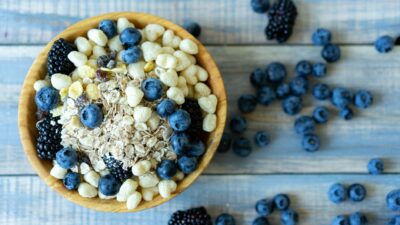
| Sweetened cereal | Plain whole grain cereal | Steel-cut oats with nuts and berries |
| Cocktails | Wine or light beer | Sparkling water with lime |
| Flavored yogurt | Low-sugar yogurt | Plain Greek yogurt with fresh fruit |
How to Make Changes That Stick
Overhauling your entire diet overnight rarely works. Instead, pick one or two changes from the table above and focus on those for two weeks before adding more. Here’s a practical approach:
- Week 1-2: Eliminate sugary drinks. This single change can reduce daily sugar intake by 40-60 grams for many people.
- Week 3-4: Swap refined grains for whole grain versions at one meal per day.
- Week 5-6: Reduce processed meat to once per week or less, replacing with fresh protein sources.
- Ongoing: Continue building on these changes while focusing on adding foods that help blood sugar.
For a more comprehensive eating plan, see our worst foods for prediabetes guide and our prediabetes diet plan.
The Bottom Line
Insulin resistance is worsened by foods that cause repeated blood sugar spikes (refined carbs and sugary drinks), promote inflammation (trans fats and processed meats), or contribute to liver fat accumulation (excess alcohol). The good news is that replacing these foods with whole, minimally processed alternatives can meaningfully improve your insulin sensitivity over time. You don’t have to be perfect — even reducing these foods by half while increasing vegetables, lean proteins, and healthy fats can make a measurable difference. Talk to your doctor about creating an eating plan that works for your specific situation.