Millet refers to a group of small-seeded grasses cultivated for food – one of the oldest cultivated grains; major staple in Africa, India, China, and ancient civilizations. Gluten-free. Per ½ cup cooked (87 g) – 110 calories, 21 g carbohydrate, 1 g fiber (net 20 g), 3 g protein, 1 g fat. Multiple varieties with different nutritional profiles. Glycemic index 50-70 depending on variety and preparation – lower than white rice typically. Major varieties – pearl millet (bajra, most common globally, dark gray), finger millet (ragi, very high calcium and fiber, India), foxtail millet (Indian and Chinese cuisine), proso millet (white millet, mild flavor), kodo millet, barnyard millet (oodalu). UN declared 2023 the International Year of Millets recognizing nutritional and sustainability benefits. Research on millet and diabetes – emerging evidence suggests improved glycemic response, modest A1C reduction in studies, lower glycemic index than rice; high fiber and protein content help blood sugar control. Use ½ cup cooked portion paired with protein and vegetables. Pearl millet (bajra) – most widely cultivated; dark gray; mild flavor; used for flour (Indian bajra roti), porridge, beer. Finger millet (ragi) – very high calcium (350 mg per cup), high fiber; reddish-brown; widely used in India (ragi roti, ragi malt drink, ragi cookies); particular diabetes-friendly. Foxtail millet – yellow; mild flavor; Indian and Chinese cuisine. Proso millet (white millet) – light, mild flavor; bird seed in U.S. but human food in many countries; growing popularity. Kodo millet – Indian staple; lower glycemic index. Barnyard millet – high fiber. For diabetes – ragi (finger millet) and kodo millet have lowest GI and highest fiber. Ragi (finger millet, Eleusine coracana) is one of the most diabetes-friendly grains. Nutrition per ½ cup cooked – 110 calories, 22 g carbohydrate, 4 g fiber, 4 g protein, calcium 175 mg (highest of any grain – similar to dairy serving). Glycemic index 50-55 – lower than most other millets and grains. Particularly traditional in South India (Karnataka, Andhra Pradesh, Tamil Nadu) and parts of East Africa. Research on ragi for diabetes – several Indian studies suggest ragi may modestly improve fasting blood sugar, postprandial glucose, A1C, lipid profile; mechanisms include high fiber, slow digestibility, antioxidants (tannins), high mineral content.
Millet Nutrition (½ cup cooked, varies by type)
| Variety | Calories | Carbs (g) | Fiber (g) | Protein (g) | Calcium (mg) |
|---|---|---|---|---|---|
| Pearl millet (bajra) | 110 | 21 | 1 | 3 | 5 |
| Finger millet (ragi) | 110 | 22 | 4 | 4 | 175 |
| Foxtail millet | 110 | 21 | 2 | 3 | 10 |
| Proso millet | 110 | 21 | 1 | 3 | 5 |
| Kodo millet | 110 | 21 | 4 | 3 | 30 |
| Barnyard millet | 105 | 19 | 4 | 3 | 22 |
Millet Glycemic Index Comparison
| Grain | GI |
|---|---|
| Finger millet (ragi) | 50-55 |
| Kodo millet | 55-60 |
| Foxtail millet | 55-65 |
| Pearl millet (bajra) | 55-65 |
| Proso millet | 60-70 |
| White rice | 73 |
| Brown rice | 66 |
| Whole wheat | 62-75 |
Diabetes-Friendly Applications
- Indian ragi roti (gluten-free flatbread, particularly diabetes-friendly).
- Bajra roti (pearl millet flatbread).
- Ragi malt drink (with milk and stevia).
- Ragi mudde with vegetable curry.
- Millet bowl with grilled chicken and roasted vegetables.
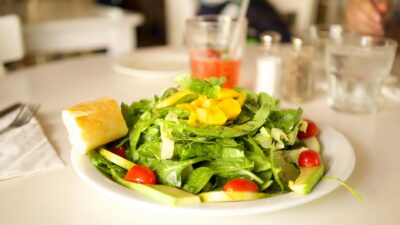
- Millet salad with cucumber, tomato, herbs, vinaigrette.
- Hot porridge with cinnamon, walnuts, berries.
- Stuffed bell peppers with millet and ground meat.
- Vegetable millet pilaf (mushroom, pepper).
- Soup with millet and lean meat (high satiety).
- Cauliflower-millet pilaf (half and half).
- Millet pancakes with eggs and berries.
- Bajra khichdi (millet with lentils and vegetables).
- Puffed millet snack with spices.
Cooking Method
- Basic ratio: 1 cup millet to 2½ cups water/broth.
- Toast millet in dry pan first for nuttier flavor (optional).
- Bring to boil, reduce heat, cover.
- Simmer 25-30 minutes until liquid absorbed.
- Let stand 10 minutes covered.
- For porridge: 1:3 ratio, longer cook.
- For Indian roti: use millet flour with water; knead; roll.
- Rice cooker works well (similar to brown rice setting).
- Pressure cooker: 8-10 minutes high pressure.
Why Ragi Particularly Recommended for Diabetes
- Lowest GI among common grains (50-55).
- Highest calcium of any grain (175 mg per ½ cup).
- High fiber (4 g per ½ cup cooked).
- Antioxidants (tannins, phenolic compounds).
- Slow digestion – sustained energy release.
- South Indian research shows blood sugar benefits.
- Bone health benefits from calcium content.
- Gluten-free.
- Affordable and traditional in South Asian diet.
Where to Find Millet
- Indian grocery stores – bajra, ragi, jowar, foxtail (kangni).
- African grocery stores – pearl millet, fonio.
- Asian grocery stores – foxtail, proso.
- Health food stores – foxtail, pearl, ragi flour.
- Online (Bob’s Red Mill, Amazon).
- Whole Foods natural foods section.
- Cost: $2-6 per pound; ragi flour $3-8.
- Puffed millet at specialty stores.
The Bottom Line
Millet refers to a group of small-seeded grasses cultivated for food – one of the oldest cultivated grains; major staple in Africa, India, China, and ancient civilizations. Gluten-free. Per ½ cup cooked (87 g) – 110 calories, 21 g carbohydrate, 1 g fiber (net 20 g), 3 g protein, 1 g fat. Multiple varieties with different nutritional profiles. Glycemic index 50-70 depending on variety and preparation – lower than white rice typically. Major varieties – pearl millet (bajra, most common globally, dark gray), finger millet (ragi, very high calcium and fiber, India), foxtail millet (Indian and Chinese cuisine), proso millet (white millet, mild flavor), kodo millet, barnyard millet (oodalu). UN declared 2023 the International Year of Millets recognizing nutritional and sustainability benefits. Research on millet and diabetes – emerging evidence suggests improved glycemic response, modest A1C reduction in studies, lower glycemic index than rice; high fiber and protein content help blood sugar control. Use ½ cup cooked portion paired with protein and vegetables. Multiple varieties with distinct uses – pearl millet (bajra) widely cultivated; finger millet (ragi) very high calcium and fiber; foxtail millet yellow with mild flavor; proso millet light and mild; kodo millet lower glycemic index; barnyard millet high fiber. For diabetes – ragi (finger millet) and kodo millet have lowest GI and highest fiber. Versatile applications – whole-grain cook (1 cup millet to 2½ cups water/broth, simmer 25-30 minutes); porridge with cinnamon and berries; Indian dishes (bajra roti, ragi roti, ragi malt drink, ragi mudde, bajra khichdi); African dishes (fura, millet beer); salad with vegetables; soup thickener; side dish; burger binder; stuffed peppers; millet flour in baking; puffed millet as snack; pancakes; breakfast bowl with Greek yogurt and berries; cauliflower-millet pilaf. Ragi (finger millet) is one of the most diabetes-friendly grains – nutrition per ½ cup cooked 110 calories, 22 g carbohydrate, 4 g fiber, 4 g protein, calcium 175 mg (highest of any grain). Glycemic index 50-55. Several Indian studies suggest ragi may modestly improve fasting blood sugar, postprandial glucose, A1C, lipid profile; mechanisms include high fiber, slow digestibility, antioxidants (tannins), high mineral content. Applications – ragi roti, ragi mudde, ragi malt drink, ragi porridge with vegetables, ragi cookies (homemade with stevia), ragi pancakes. For South Asians with diabetes, ragi is particularly recommended cultural food. Available at Indian grocery stores, some health food stores, online. For adults with type 2 diabetes – millet is an excellent ancient gluten-free grain alternative to rice; choose ragi (finger millet) for lowest GI and highest calcium; portion ½ cup cooked paired with protein and vegetables. See our broader diabetes diet guide for context.