Rice glycemic index varies significantly by variety — jasmine and short-grain white rice are high at 89 to 94, basmati is moderate at 50 to 58, brown rice is 50 to 68, and wild rice is 45 to 50. Glycemic load per 1-cup serving runs 15 to 33. Cooling cooked rice overnight produces resistant starch, which lowers the reheated rice’s glycemic response by 10 to 20 percent. Pairing rice with protein, fat, and fiber blunts the glucose curve significantly. For diabetes and prediabetes, favor basmati or wild rice, keep portions to 1/2 to 1 cup cooked, and combine with protein plus non-starchy vegetables.
GI and GL by Rice Variety
| Variety | GI | Carbs per 1 cup cooked (g) | GL | Fiber (g) |
|---|---|---|---|---|
| Jasmine white | 89–94 | 45 | 40–42 | 0.6 |
| Short-grain white (sushi) | 89–94 | 46 | 40–43 | 0.6 |
| Long-grain white | 73 | 45 | 33 | 0.6 |
| Basmati white (Indian) | 50–58 | 45 | 22–26 | 0.8 |
| Parboiled (converted) | 38–45 | 42 | 16–19 | 1.0 |
| Brown short-grain | 55–68 | 45 | 25–30 | 3.5 |
| Brown basmati | 50–58 | 43 | 22–25 | 3.5 |
| Black rice (forbidden) | 42–50 | 45 | 19–22 | 3.0 |
| Red rice | 55 | 45 | 25 | 2.5 |
| Wild rice | 45–50 | 35 | 16–18 | 3.0 |
| Cauliflower “rice” | 20 (estimated) | 5 | 1 | 2.0 |
Why GI Varies So Much by Variety
- Amylose vs amylopectin ratio: basmati has more amylose, which digests more slowly than amylopectin. Jasmine and sticky rice are almost all amylopectin and digest quickly.
- Fiber content: brown, black, red, and wild rice retain the bran layer with 3 g+ fiber per cup. White rices have about 0.6 g.
- Grain length: long-grain varieties tend to digest more slowly than short-grain.
- Processing: parboiled rice has starch rearranged to be more resistant during cooking.
- Age of the rice: aged basmati (1+ year) has lower GI than fresh basmati.
- Cooking method: overcooked rice has higher GI than al dente.
The Resistant Starch Trick
Cooking rice and then cooling it in the refrigerator for at least 12 hours creates resistant starch. Resistant starch:
- Behaves like soluble fiber rather than digestible carb
- Is not fully digested in the small intestine
- Lowers the glycemic response of the reheated rice by 10 to 20 percent
- Feeds beneficial gut bacteria (prebiotic effect)
- Works in sushi rice, cold rice salads, reheated leftovers, and fried rice made from day-old rice
Reheating the cooled rice preserves most of the resistant starch — you do not have to eat it cold.
Cooking Methods That Affect GI
| Method | Effect on GI |
|---|---|
| Al dente (slightly firm) | Lower GI than overcooked |
| Overcooked / mushy | Higher GI |
| Boiled with lots of water, drained | Slightly lower GI than absorption method |
| Cooked then cooled overnight | 10–20% lower GI on reheating |
| Cooked with 1 tsp coconut oil, then cooled | Lowest (further resistant starch formation) |
| Pressure cooked | Similar GI to stovetop |
Best Pairings to Blunt Glucose Response
- Protein: fish (salmon, tuna), chicken, tofu, beans, lentils, eggs — slows gastric emptying
- Fat: avocado, olive oil, nuts, seeds — reduces peak glucose
- Non-starchy vegetables: broccoli, peppers, mushrooms, bok choy, leafy greens — adds fiber, volume, minimal carbs
- Vinegar or citrus: 1 to 2 tablespoons in dressing lowers post-meal glucose 20 to 30 percent
- Legumes added to rice: beans and rice together have lower GI than rice alone
- Cinnamon: modest glucose-lowering effect; good on rice pudding or with basmati
Practical Serving Size
| Serving | Carbs | Practical Use |
|---|---|---|
| 1/3 cup cooked rice (60 g) | 15 g | Restaurant side, small portion |
| 1/2 cup cooked rice (90 g) | 22 g | Recommended portion for diabetes |
| 1 cup cooked rice (180 g) | 45 g | Standard adult serving; upper end for most with T2D |
| 1.5 cups cooked rice (270 g) | 68 g | Larger portion; typically too much for glucose control |
| 2 cups cooked rice (360 g) | 90 g | Likely causes significant spike |
Specific Diabetes-Friendly Strategies
- Switch from jasmine to basmati: essentially the same meal with roughly half the glucose peak
- Halve the portion, double the protein and vegetables: satisfies with less rice
- Make rice the night before: resistant starch advantage on reheating
- Bulk with cauliflower rice: mix 50/50 with real rice — halves the carbs
- Add beans or lentils: beans + rice has lower GI than rice alone
- Pair with vinegar: rice + sushi vinegar or salad dressing reduces glucose peak
- Walk after eating: 10 to 20 minutes of walking lowers peak post-meal glucose
Personal Response Testing
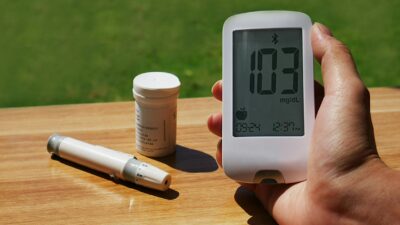
- Test your own glucose response with a CGM or 2-hour finger-stick
- Note: 1 cup white jasmine may spike you 80 mg/dL; 1 cup basmati may spike you 30 mg/dL
- Same meal with added protein may reduce the spike by half
- Personal response varies — some people tolerate white rice surprisingly well, others are very sensitive
Rice in Global Cuisines
- Japanese (sushi, rice bowls): typically short-grain white; cold preparation helps
- Indian (biryani, pilaf): basmati is standard; better glycemic profile
- Thai (jasmine dishes): highest GI rice; reduce portion or substitute
- Chinese (fried rice): made with day-old rice — resistant starch benefit
- Latin American (arroz): often long-grain; cooking method matters
- Middle Eastern (pilaf): parboiled or long-grain; often with nuts and dried fruit
- Korean (sticky rice, bibimbap): short-grain; portion control needed
Related Reading
See our broader guides on diet-and-nutrition, apple glycemic index, and watermelon glycemic index.
The Bottom Line
Rice glycemic index varies from 45 to 94 depending on variety and preparation. For diabetes and prediabetes, basmati (50 to 58), brown rice (50 to 68), and wild rice (45 to 50) are friendlier than jasmine or short-grain white (89 to 94). Cooling cooked rice overnight creates resistant starch that lowers glucose response by 10 to 20 percent on reheating. Pair rice with protein, fat, and fiber; keep portion to 1/2 to 1 cup cooked; and use a CGM or finger-stick to learn your personal response. You do not need to eliminate rice — you just need to choose variety, portion, and pairing thoughtfully.