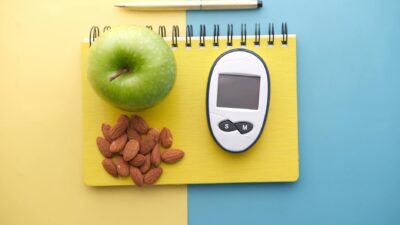
Drinking water, taking a brisk walk, and pairing your next meal with protein and non-starchy vegetables are the fastest safe ways to bring blood sugar down at home. Insulin and certain oral medications act within hours for those who take them, but dose changes belong to your prescriber. Long-term lowering comes from consistent weight management, regular movement, fiber-rich meals, and quality sleep — a package of habits that also lowers A1C by 0.5 to 1.5 points for most people.
Short-Term Strategies for a High Reading
A sudden high reading does not demand panic, but it does warrant a measured response. Start with two steps that work within 15 to 60 minutes.
Move Your Muscles
Contracting muscles pull glucose from the blood through pathways that do not require insulin. A 15 to 30 minute walk can drop a moderately elevated reading by 20 to 50 mg/dL in most people. If you are able, choose brisk pace over slow pace — intensity matters. Cycling and light strength work produce similar effects. Avoid exercise when readings are above 250 mg/dL with ketones; that combination can worsen ketosis.
Hydrate
When blood glucose exceeds roughly 180 mg/dL, the kidneys spill sugar into urine, pulling water with it. Drinking water replaces that fluid loss and helps the kidneys clear glucose. Water or unsweetened tea is ideal. Diet drinks are fine for most people, though some feel better avoiding artificial sweeteners.
Medications That Lower Blood Sugar
For people who take glucose-lowering medications, the correction path depends on the specific drug. Rapid-acting insulin lowers glucose within 15 to 90 minutes when given as a correction dose per a personalized plan. Metformin, DPP-4 inhibitors, SGLT2 inhibitors, and GLP-1 receptor agonists work over longer timescales rather than correcting a single reading. According to the NIDDK, no oral or injectable medication should be dosed outside a prescriber-written plan.
Foods That Moderate Rather Than Spike
Food cannot actively lower glucose, but smart choices stop the rise from compounding. The table summarizes typical post-meal glucose responses. Our diet and nutrition hub includes meal templates built around these principles.
| Food Choice | Approximate Post-Meal Rise | Why |
|---|---|---|
| Grilled salmon with broccoli | Minimal (under 20 mg/dL) | No refined carbs, high protein |
| Eggs with spinach and avocado | Minimal | Fat and protein with negligible carbs |
| Lentil soup with greens | Small to moderate | Fiber-rich slow carb |
| Turkey and cheese plate | Minimal | No starch, steady digestion |
| White-rice bowl with teriyaki | Large | Refined starch plus added sugar |
| Fruit juice or soda | Very large | Liquid sugar, fast absorption |
Long-Term Approaches That Lower A1C
Single-meal tactics help you manage individual readings. Sustained glucose control requires a pattern that produces smaller rises most days. The Diabetes Prevention Program trial, published in the New England Journal of Medicine, showed that a 5 to 7 percent body weight loss combined with 150 minutes of weekly activity reduced progression to type 2 diabetes by 58 percent over three years. Effects on A1C in people with existing diabetes are similar in magnitude.
Habits With the Strongest Evidence
- 150 minutes of moderate aerobic activity weekly plus two resistance sessions.
- Consistent meal timing and plate-method portions.
- 25 to 35 grams of fiber daily from vegetables, beans, and whole grains.
- Seven to nine hours of sleep in a dark, cool room.
- Stress management — meditation, breathing exercises, time outdoors.
- Regular glucose monitoring to reveal personal patterns.
When a High Reading Is an Emergency
Home strategies are appropriate for readings in the 180 to 240 mg/dL range. Call your clinician if readings stay above 240 mg/dL for several hours, if ketones appear on a urine strip, or if you develop nausea, vomiting, fruity breath, rapid breathing, or confusion. Readings above 400 mg/dL often need in-person evaluation. Knowing your sick-day plan ahead of time — written with your clinical team — removes guesswork when it counts.
Tracking Progress Without Obsessing
Single readings are data points, not verdicts. A1C reflects a three-month average and is the best indicator that habits are working. Your A1C level should be checked every three to six months if you are actively working on lowering it. Continuous glucose monitors make patterns visible in real time, and the rise of time-in-range metrics gives a richer picture than fasting readings alone.
The Bottom Line
What brings blood sugar down is a combination of immediate actions — water, movement, protein-anchored meals — and long-term habits that reduce the need for corrections in the first place. Medications help many people, but their role is defined by your prescriber, not by guesswork. Use home strategies for mild elevations, seek care for severe highs, and let A1C and time-in-range guide the bigger picture.