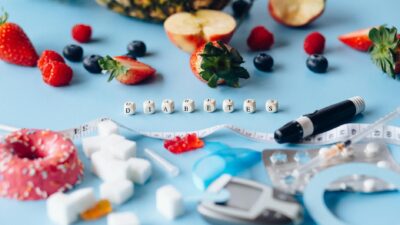
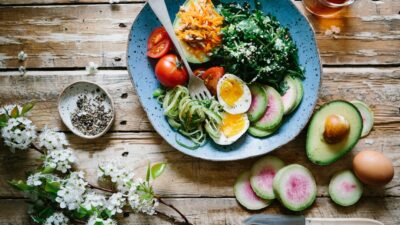
What foods have glucose? Nearly every food that contains carbohydrates supplies glucose to your body. The main sources are grains, fruits, starchy vegetables, legumes, dairy, and all forms of sugar. Some foods — like glucose tablets, sports drinks, and pure honey — contain glucose directly. Others contain starch, sucrose, or lactose, which the body breaks down into glucose during digestion.
How Glucose Gets Into Your Food
Glucose can reach your bloodstream through three main dietary pathways:
- Free glucose — found in honey, corn syrup, molasses, fruits (especially grapes, figs, dates), and glucose tablets or gels.
- Other sugars that convert to glucose — sucrose (table sugar) splits into glucose and fructose; lactose (milk sugar) splits into glucose and galactose, which the liver converts to glucose.
- Starches — long chains of glucose molecules found in grains, potatoes, and legumes. Digestive enzymes break these into individual glucose units.
Essentially, if a food’s label shows carbohydrates, it supplies glucose — with the exception of fiber, which passes through mostly undigested.
Glucose Food Categories Ranked by Impact
| Category | Examples | Blood Sugar Impact |
|---|---|---|
| Pure glucose / sugar | Glucose tablets, soda, candy, juice, syrups | Very high, very fast |
| Refined grains | White bread, white rice, pastries, crackers | High and fast |
| Starchy vegetables | Potatoes, corn, peas, sweet potatoes | Moderate to high |
| Whole grains (intact) | Steel-cut oats, quinoa, farro, barley | Moderate, slower |
| Fruits | Berries, apples, bananas, melon | Low to moderate |
| Legumes | Lentils, beans, chickpeas | Low and slow |
| Dairy | Milk, plain yogurt | Low to moderate (lactose) |
| Non-starchy vegetables | Broccoli, spinach, peppers, cauliflower | Minimal |
| Protein and fat | Meat, fish, eggs, olive oil, nuts, cheese | Essentially none directly |
Foods Highest in Glucose or Glucose Precursors
Refined Sugars
Table sugar, honey, maple syrup, corn syrup, agave, and products made with them all deliver rapid glucose into the bloodstream. A 12-ounce soda contains about 39 grams of sugar — roughly 10 teaspoons — and can raise blood glucose by 40–60 mg/dL within 30 minutes in someone without diabetes.
Refined Grains
White bread, white rice, regular pasta, breakfast cereals, and baked goods are made from grains with the bran and germ removed. The remaining starch digests quickly into glucose, producing a high post-meal spike.
Fruit Juice and Dried Fruit
Removing water or fiber concentrates fruit’s natural sugars. A cup of orange juice contains about 26 grams of sugar, often more than a candy bar. Dried fruit like raisins and dates delivers glucose quickly because fiber is concentrated but also the sugars are denser by weight.
Foods With Little or No Glucose Impact
- Non-starchy vegetables: broccoli, leafy greens, bell peppers, zucchini, cauliflower, asparagus, cucumbers, tomatoes
- Proteins: chicken, fish, eggs, tofu, unprocessed meats
- Healthy fats: olive oil, avocado, nuts, seeds, butter, cheese
- Herbs and spices: garlic, ginger, basil, cinnamon, turmeric
- Drinks: water, unsweetened coffee and tea, sparkling water
These foods form the foundation of many diabetes-friendly eating approaches because they don’t materially raise blood glucose. Most people have a lot of room to fill their plates with them.
How to Balance Glucose Foods
Pair Carbs With Protein and Fat
A banana alone raises blood sugar faster than the same banana eaten with almond butter. Adding protein or fat slows stomach emptying and glucose absorption.
Use the Plate Method
The ADA Plate Method: half non-starchy vegetables, a quarter protein, a quarter starch, with a small amount of healthy fat.
Eat Vegetables and Protein First
Starting the meal with vegetables and protein, then eating starch last, can lower post-meal glucose by 20–40% without reducing food quantity.
Walk After Meals
A short walk after eating noticeably reduces post-meal glucose. Our diet and nutrition guide has more on daily routines.
Glucose Foods and Blood Sugar Goals
For most people with prediabetes:
- Fasting glucose: under 100 mg/dL
- 2 hours post-meal: under 140 mg/dL
- A1C: under 5.7% (see our A1C guide)
Using a home glucose meter after meals is a fast way to learn which specific glucose foods spike your numbers — results vary more from person to person than glycemic index tables capture.
The Bottom Line
What foods have glucose? The short answer: all carbohydrates eventually become glucose in your body. The longer answer is that some foods deliver glucose in a rapid, concentrated burst — refined sugars, juice, white grains — while others release it slowly alongside fiber, protein, and fat. Non-starchy vegetables, lean proteins, and healthy fats have minimal glucose effect and can anchor your plate. A practical diabetes-friendly strategy is not to eliminate glucose foods but to favor the slower, whole-food kinds, watch portions of refined carbs, and pair them with fiber and protein to keep blood sugar steady.