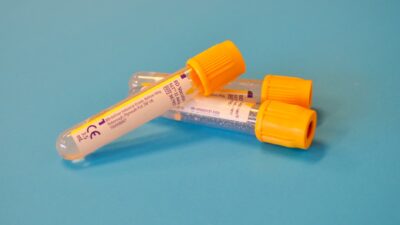
HgA1c (hemoglobin A1c) is a blood test that measures the percentage of hemoglobin proteins in your red blood cells that have glucose attached. Because red blood cells live about 120 days, HgA1c reflects your average blood sugar over the past 2 to 3 months. It is the gold-standard test for diagnosing and tracking diabetes.
What HgA1c Actually Measures
Hemoglobin is the protein inside red blood cells that carries oxygen. When glucose floats in your bloodstream, some of it sticks to hemoglobin in a process called glycation. The more sugar in your blood over time, the higher the percentage of glycated hemoglobin.
The HgA1c result is expressed as a percentage. A result of 6% means 6% of your hemoglobin proteins are coated with sugar. The higher the number, the higher your average blood glucose has been.
How the HgA1c Test Is Performed
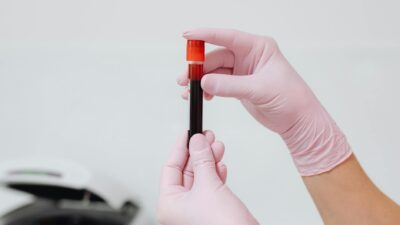
- Sample collection: A phlebotomist draws a small blood sample from a vein in your arm. Some clinics use a fingerstick instead.
- No fasting required: Unlike fasting glucose tests, you can eat normally before an HgA1c.
- Lab analysis: The sample is analyzed using high-performance liquid chromatography (HPLC), immunoassay, or capillary electrophoresis. Each method separates glycated hemoglobin from non-glycated hemoglobin.
- Results: Typically available within 1 to 3 days, sometimes same-day at point-of-care.
HgA1c Result Categories
| Category | HgA1c | What It Means |
|---|---|---|
| Normal | Below 5.7% | Healthy blood sugar control |
| Prediabetes | 5.7% – 6.4% | Higher risk of type 2 diabetes |
| Diabetes | 6.5% or higher | Diabetes diagnosis (confirmed by repeat test) |
| Common diabetes target | Below 7.0% | General target for adults with diabetes |
| Tighter target | Below 6.5% | For some adults without significant hypoglycemia risk |
| Less strict target | Below 8.0% | For older adults or those with multiple conditions |
Translating HgA1c to Average Blood Glucose
The American Diabetes Association publishes an estimated average glucose (eAG) for each HgA1c value. This helps connect the percentage to the daily glucose readings you might see on a monitor.
| HgA1c (%) | Estimated Average Glucose (mg/dL) | Estimated Average Glucose (mmol/L) |
|---|---|---|
| 5.0 | 97 | 5.4 |
| 5.5 | 111 | 6.2 |
| 6.0 | 126 | 7.0 |
| 6.5 | 140 | 7.8 |
| 7.0 | 154 | 8.6 |
| 7.5 | 169 | 9.4 |
| 8.0 | 183 | 10.2 |
| 9.0 | 212 | 11.8 |
| 10.0 | 240 | 13.4 |
Why HgA1c Is Used Instead of a Single Glucose Reading
A finger-stick or fasting glucose captures one moment in time. Blood sugar swings throughout the day with meals, exercise, stress, and sleep. HgA1c smooths all of that into a single number that reflects long-term exposure to glucose.
Advantages over fasting glucose:
- No fasting needed
- Less day-to-day variation
- Better predicts long-term complication risk
- Can be drawn at any time
How Often Should HgA1c Be Tested?
The ADA recommends:
- Adults at risk: Every 3 years from age 35, more often with risk factors.
- Prediabetes: Annually.
- Diabetes meeting goals: Twice a year.
- Diabetes not meeting goals or with treatment changes: Every 3 months.
What HgA1c Cannot Tell You
HgA1c is powerful but limited:
- It cannot show daily fluctuations. Two people with the same A1c may have very different glucose patterns.
- It cannot detect hypoglycemia. Frequent lows can balance highs and produce a deceptively normal A1c.
- It cannot replace continuous glucose monitoring for fine-tuning insulin or medication.
Conditions That Affect HgA1c Accuracy
Anything that changes red blood cell turnover can skew results.
Falsely low HgA1c:
- Hemolytic anemia
- Recent blood loss or transfusion
- Late pregnancy
- Sickle cell disease (some methods)
- Vitamin E supplementation in high doses
Falsely high HgA1c:
- Iron deficiency anemia
- Vitamin B12 or folate deficiency
- Splenectomy
- Chronic kidney disease (with some methods)
- High doses of aspirin
Talk with your provider about alternative tests (fructosamine, glycated albumin, continuous glucose monitoring) if any of these apply.
Reducing Your HgA1c
According to the CDC, every 1-percentage-point reduction in HgA1c lowers the risk of microvascular complications by about 35%. Strategies to lower HgA1c include:
- Following an evidence-based eating pattern with measured carbs
- Getting at least 150 minutes of weekly exercise
- Losing 5-10% of body weight if overweight
- Taking medications consistently as prescribed
- Using continuous glucose monitoring to spot patterns
- Sleeping 7-9 hours a night and managing stress
The Bottom Line
HgA1c is the single most useful blood test for understanding long-term blood sugar control. It captures average glucose exposure over months in one number, requires no fasting, and predicts the risk of diabetes complications better than any single glucose reading. If you have not had an HgA1c in over a year and you have any diabetes risk factors, ask your provider to add it to your next blood draw. For more on how the test works and what your number means, see our what is A1c guide, the A1c blood test details, and the broader A1c levels hub.