The Somogyi effect, also called rebound hyperglycemia, is a theory that an overnight hypoglycemic episode triggers counterregulatory hormones — glucagon, cortisol, epinephrine, and growth hormone — that overshoot and cause a high blood sugar reading in the morning. It was first described in the 1940s by Hungarian-American physician Michael Somogyi in people using long-acting insulin. Modern continuous glucose monitoring has shown it is far less common than once believed; the dawn phenomenon explains most morning highs.
What the Somogyi Effect Looks Like
Classic teaching describes the Somogyi effect as:
- Bedtime blood sugar is normal or slightly high.
- Glucose falls below 70 mg/dL between 2 AM and 4 AM (often without symptoms).
- Counterregulatory hormones flood the bloodstream.
- The liver dumps stored glucose to correct the low.
- You wake up with a fasting glucose of 180-250 mg/dL despite a proper bedtime dose.
Patients often reach for more insulin in the morning, which further increases the risk of the next nighttime low. Breaking that cycle requires identifying the real cause — and that is where CGM has been a game-changer.
Somogyi Effect vs. Dawn Phenomenon
The two conditions look similar on a morning fingerstick but come from different mechanisms. Understanding the difference is the single most important step before any dose change.
| Feature | Somogyi Effect | Dawn Phenomenon |
|---|---|---|
| Cause | Rebound from overnight low | Natural pre-dawn cortisol and GH rise |
| Overnight glucose | Dip below 70 mg/dL at 2-4 AM | Steady or slowly rising |
| Morning glucose | Usually very high (180-300+ mg/dL) | Moderately high (130-200 mg/dL) |
| Bedtime snack effect | Prevents rebound | Can worsen morning high |
| Frequency | Uncommon with modern analogs | Very common in insulin users |
| Fix | Reduce basal or timing; add snack | Increase basal timing/dose |
Reducing insulin to fix a dawn phenomenon-driven high can cause dangerous daytime hypos. Increasing insulin to fix a Somogyi effect can cause worsening nighttime lows. That is why data — not guesswork — should drive any adjustment.
How to Confirm the Somogyi Effect
The only reliable way is to capture overnight glucose. There are three ways:
- Continuous glucose monitor (CGM): Gold standard. Devices like Dexcom G7 or FreeStyle Libre 3 Plus show minute-by-minute trends.
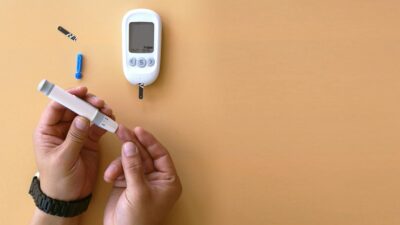
- Manual 2 AM and 4 AM fingersticks: Set an alarm for several nights. Inconvenient but effective.
- Clinician-ordered flash glucose monitor: A short-term diagnostic CGM prescribed for 1-2 weeks.
If any reading is below 70 mg/dL and the morning reading is high, rebound is plausible. If overnight readings stay steady or rise, the cause is the dawn phenomenon or inadequate basal insulin. For context on glucose targets and how they link to long-term control, see our A1C levels guide.
Why the Somogyi Effect Is Less Common Today
Modern long-acting insulins — glargine (Lantus, Basaglar, Semglee, Toujeo) and degludec (Tresiba) — have flatter, more predictable profiles than NPH insulin, which was the workhorse when Somogyi first described the effect. Flatter profiles mean fewer overnight peaks that drive glucose below target. CGM alerts further reduce nighttime hypoglycemia by warning users before they become severely low.
Several studies using CGM have shown that classic Somogyi rebound accounts for only a small fraction of morning hyperglycemia in insulin users. The vast majority of fasting highs come from the dawn phenomenon, insufficient basal coverage, or late-night carbohydrate intake.
What to Do If You Suspect the Somogyi Effect
Do not adjust insulin doses on your own. Instead:
- Collect 3-7 nights of overnight glucose data with a CGM or 2 AM fingerstick.
- Note bedtime glucose, bedtime carbs, and timing of insulin doses.
- Share the data with your endocrinologist or diabetes care team.
- Follow their adjustment plan — which may involve lowering basal insulin, shifting timing, adding a small protein-carb bedtime snack, or switching insulin type.
Preventing Overnight Hypoglycemia
If a true overnight low is documented, consider:
- Avoid over-correcting high pre-bedtime glucose with large correction doses — especially within 2 hours of going to sleep.
- Account for recent exercise, which can increase insulin sensitivity for up to 24 hours.
- Account for alcohol, which inhibits hepatic glucose output and commonly causes delayed nighttime lows.
- Set CGM low alerts at 80 mg/dL or higher if you have hypoglycemia unawareness.
- Use a bedtime protein snack (such as a handful of nuts or Greek yogurt) when insulin-on-board is high.
When to Call Your Doctor
- Multiple overnight lows in a week, especially below 54 mg/dL.
- Morning glucose consistently above 180 mg/dL despite adherence to your dosing plan.
- Symptoms of low blood sugar at night: night sweats, vivid dreams, morning headaches.
- Any episode of seizure, confusion, or inability to self-treat a low.
The Bottom Line
The Somogyi effect is a real but uncommon cause of morning hyperglycemia in people using insulin. The dawn phenomenon and waning basal insulin explain most morning highs. Do not assume a rebound; confirm it with overnight data from a CGM or 2 AM fingersticks, then work with your clinician on a targeted fix. Blindly increasing morning insulin, or eating a bedtime snack without evidence of a low, can make control worse.
For more on what is normal, what is high, and how hemoglobin A1C translates to day-to-day readings, see our overview of A1C levels and our primer on prediabetes basics.
Sources
- American Diabetes Association. Standards of Care in Diabetes 2025 — Glycemic Goals and Hypoglycemia.
- Choudhary P, Amiel SA. Hypoglycaemia in type 1 diabetes. Diabetologia. 2018;61(4):761-769.
- National Institute of Diabetes and Digestive and Kidney Diseases. Low Blood Glucose.
- Centers for Disease Control and Prevention. Low Blood Sugar (Hypoglycemia).