Self-care for diabetic neuropathy centers on three things: keeping A1C, blood pressure, and lipids in range; daily foot inspection and proper footwear; and proactive symptom management including exercise, pain relief, and a close working relationship with your diabetes team. Established nerve damage is usually permanent, but good self-care slows progression, improves symptoms, and — most importantly — prevents the foot ulcers that are the most common pathway to amputation.
The Foundation: Medical Targets
| Target | Typical Goal | Why It Matters |
|---|---|---|
| A1C | Under 7% for most adults (individualized) | Slows nerve damage progression by up to 60% in type 1 diabetes |
| Fasting glucose | 80 to 130 mg/dL | Keeps day-to-day exposure lower |
| Post-meal glucose | Under 180 mg/dL at 1 to 2 hours | Minimizes glucose excursions |
| Blood pressure | Under 130/80 mmHg | Protects small vessels feeding nerves |
| LDL cholesterol | At or below target per ASCVD risk | Reduces microvascular injury |
| B12 | In normal range; replace if deficient | Essential for myelin maintenance |
| Smoking | Zero | Smoking directly damages nerves and vessels |
The Daily Foot-Care Routine
This is the single most important self-care habit for anyone with diabetic neuropathy:
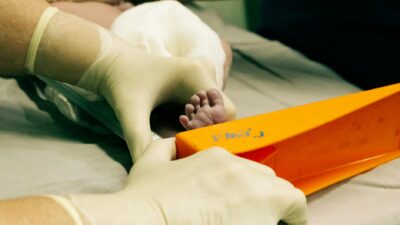
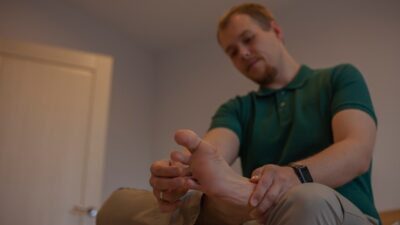
- Morning or evening inspection (3 minutes): check tops, bottoms, and between toes of both feet. Use a mirror if you cannot see the soles.
- Wash: lukewarm (not hot) water, test temperature with elbow or thermometer. Dry thoroughly, especially between toes.
- Moisturize: tops and soles, but not between toes (trapped moisture encourages fungal infection).
- Nails: trim straight across; file sharp edges. Have a podiatrist do it if you cannot see or reach.
- Socks: clean, moisture-wicking, seamless if possible.
- Shoes: well-fitting, deep toe box, firm heel counter, soft lining. Shake out before putting on.
- Never barefoot: even indoors. A dropped pin or a splinter you do not feel can become an infection.
- Log anything unusual: cut, blister, redness, swelling, warmth, pus, color change. Contact clinician for anything not resolving in 24 to 48 hours.
Footwear That Actually Helps
- Deep toe box — at least a thumb’s width between longest toe and shoe tip
- Firm heel counter for stability
- Soft inner lining without seams that could rub
- Adjustable closure (Velcro or laces)
- Moderate cushioning without being mushy
- Avoid pointed toes, high heels, flip-flops, and any shoe that pinches
- People with moderate to severe neuropathy may qualify for custom-molded therapeutic shoes — Medicare and many insurers cover one pair per year
Exercise Prescription
- Aerobic: 150 minutes per week of moderate activity (brisk walking, cycling, swimming). Break up sitting time with 5-minute movement breaks every hour.
- Resistance training: 2 to 3 sessions per week working major muscle groups. Builds muscle, which improves insulin sensitivity and balance.
- Balance and flexibility: tai chi, yoga, or physical therapy exercises reduce fall risk.
- Non-weight-bearing options if foot ulcers are present: stationary cycling, rowing, water exercise.
- Always inspect feet after exercise.
Pain Management Self-Care
For mild to moderate neuropathy pain:
- Topical capsaicin 0.025% to 0.075% cream, 3 to 4 times daily; builds effect over 2 to 4 weeks
- Topical lidocaine 4% to 5% patches for localized burning pain (12 hours on, 12 hours off)
- TENS unit 20 to 30 minutes, 1 to 3 times daily
- Warm foot soaks at 95°F to 100°F for 10 to 15 minutes
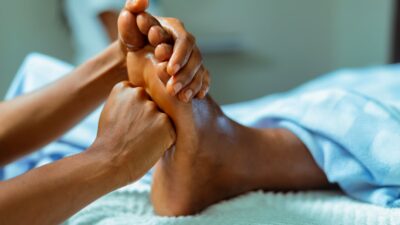
- Gentle stretching and massage
- Acetaminophen or ibuprofen for occasional flares (avoid if kidney disease or ulcer history)
For more severe pain, your clinician will consider FDA-approved prescription options — pregabalin (Lyrica), duloxetine (Cymbalta), tapentadol ER (Nucynta ER) — plus off-label agents like gabapentin, amitriptyline, or venlafaxine. See our detailed guides on diabetic neuropathy and supplements for neuropathy.
Fall Prevention
Impaired sensation increases fall risk:
- Remove loose rugs and trip hazards
- Install night lights in hallways and bathrooms
- Use handrails on stairs and grab bars in bathrooms
- Wear supportive, non-slip footwear indoors — not slippers with slick soles
- Check vision yearly (diabetic retinopathy screening also happens annually)
- Review medications with your pharmacist for anything that causes dizziness or orthostatic hypotension
- Strengthen balance with tai chi, standing leg exercises, or physical therapy
Autonomic Neuropathy Self-Care
If you have autonomic symptoms:
- Orthostatic hypotension: rise slowly from bed or chair; increase salt and fluid intake if your clinician approves; compression stockings; midodrine or fludrocortisone are prescription options
- Gastroparesis: smaller frequent meals; low-fat, low-fiber diet; eat slowly; sit upright during and after meals
- Neurogenic bladder: scheduled voiding every 3 to 4 hours even without sensation; pelvic floor therapy
- Erectile dysfunction: discuss prescription options (sildenafil, tadalafil) with your clinician
- Abnormal sweating: topical glycopyrrolate or prescription anticholinergics
Monitoring Progress
- A1C every 3 to 6 months
- Annual dilated eye exam (retinopathy often parallels neuropathy)
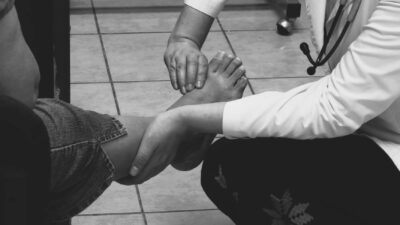
- Annual comprehensive foot exam by a podiatrist, more often if sensation is impaired
- Annual kidney function (eGFR, urine albumin)
- Blood pressure at every visit
- Symptom diary — note pain, numbness, balance, and autonomic symptoms for trend tracking
When to Call Your Clinician
- New foot ulcer, blister, or sore that is not healing in 48 to 72 hours
- Redness, warmth, red streaking, or pus around a wound
- Fever with any foot finding
- Sudden severe foot pain, swelling, or deformity (possible Charcot foot or deep infection)
- Rapidly worsening numbness, weakness, or balance problems
- New autonomic symptoms (orthostasis, vomiting, urinary retention)
- Increasing reliance on OTC pain medication
- A reading above 250 mg/dL with nausea or fruity-smelling breath
What to Do Each Week
- Daily: foot inspection, moisturize, shoes/socks check, walk after meals, track glucose patterns
- 3 to 5x per week: aerobic exercise
- 2 to 3x per week: resistance training
- Weekly: review symptom diary; adjust as needed with support
- Monthly: set and check one small improvement goal (hydration, sleep, a specific exercise)
Related Reading
See our in-depth guides on diabetic neuropathy, diabetic peripheral neuropathy, and foot neuropathy for deeper clinical context.
The Bottom Line
Self-care for diabetic neuropathy is a daily practice, not a single intervention. Glucose, blood pressure, and lipid control are the foundation. Daily foot inspection and proper footwear prevent the most serious complication — amputation. Exercise, balance work, and targeted pain management improve day-to-day life. Keep a close relationship with your care team and call promptly for any new ulcer, infection, or rapidly changing symptom. Most people who follow a consistent routine avoid the worst outcomes.