Yes, you can reverse metabolic syndrome. For most people, losing 5 to 10 percent of body weight, exercising at least 150 minutes per week, and eating a Mediterranean-style diet is enough to eliminate the diagnosis entirely within 6 to 12 months. The earlier you start, the better the outcome.
What You Are Actually Reversing
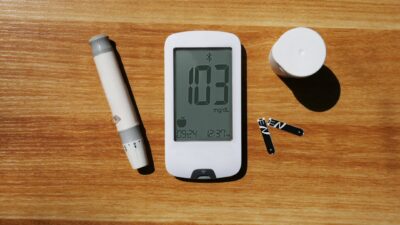
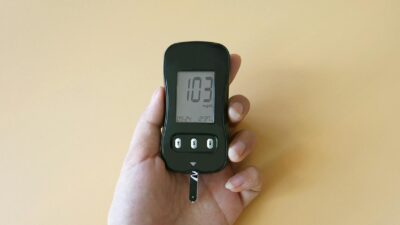
Metabolic syndrome is not a disease but a cluster of five risk factors that together triple your risk of type 2 diabetes and double your risk of heart disease. You need three of the following five to meet the diagnosis: waist above 35 inches (women) or 40 inches (men), triglycerides above 150 mg/dL, HDL below 50 (women) or 40 (men), blood pressure above 130/85, or fasting glucose above 100.
Reversal means dropping below the threshold for at least three of these markers. Because they are linked through insulin resistance and visceral fat, improving one usually improves the others.
Step 1: Lose Visceral Fat, Not Just Weight
The fat that matters is the deep abdominal fat wrapped around your liver and pancreas. A 5 to 7 percent weight loss shrinks visceral fat disproportionately and restores insulin sensitivity. The National Heart, Lung, and Blood Institute recommends a 500 to 750 calorie daily deficit as the sweet spot for sustainable loss.
Step 2: Choose a Diet That Actually Works
| Diet Approach | Typical Waist Reduction (6 mo) | Best For |
|---|---|---|
| Mediterranean | 2 to 4 inches | Long-term adherence, heart health |
| Low-carb (under 100g/day) | 3 to 5 inches | High triglycerides, fast glucose drop |
| DASH | 1 to 3 inches | High blood pressure |
| Standard low-fat | 1 to 2 inches | Least effective for metabolic syndrome |
The PREDIMED trial followed nearly 7,000 adults and found that a Mediterranean diet with extra olive oil or nuts reduced metabolic syndrome incidence by 30 percent compared to a low-fat control. Visit our diet and nutrition hub for meal ideas.
Step 3: Move Every Day, Lift Twice a Week
Aerobic activity burns visceral fat, but resistance training is what rebuilds the muscle that soaks up glucose. Aim for 150 minutes of moderate cardio (brisk walking, cycling) plus two full-body strength sessions. Even 10-minute walks after meals lower post-meal glucose spikes by 20 to 30 percent.
Step 4: Fix the Silent Saboteurs
Sleep under six hours nightly raises insulin resistance by up to 30 percent. Chronic stress floods your system with cortisol, which drives belly fat. Alcohol above one drink daily raises triglycerides. Smoking independently worsens every metabolic marker. Tackling these is often the difference between stalling and succeeding.
Step 5: Track the Right Numbers
- Waist circumference (measure monthly at the navel)
- Fasting glucose and A1C every 3 to 6 months
- Lipid panel (triglycerides, HDL) every 6 months
- Blood pressure weekly at home
If your numbers are borderline, tracking your A1C levels gives the clearest picture of whether insulin resistance is improving. A drop from 5.9% to 5.4%, for example, signals that the underlying driver is responding.
When Medication Helps
Lifestyle is the foundation, but short-term medications can bridge the gap while changes take effect. Metformin may be prescribed if fasting glucose stays above 110. Statins or blood pressure drugs are often used until lifestyle changes bring numbers down. Discuss options with your clinician rather than waiting for perfect compliance.
Realistic Timeline
In the first month, blood pressure and triglycerides typically respond. By month 3, fasting glucose and waist size move. By month 6, most people who stick with the plan no longer meet three of the five criteria. The same principles that reverse prediabetes drive metabolic syndrome reversal.
The Bottom Line
Metabolic syndrome is one of the most reversible chronic conditions in medicine. A Mediterranean or low-carb diet, 7 percent weight loss, regular movement including strength training, and attention to sleep and stress undo the diagnosis for most people within a year. Start with one habit this week and build from there.
Medical disclaimer: This article is educational and not a substitute for personalized medical advice. Talk to your healthcare provider before starting any new diet, exercise, or supplement plan.