The dawn phenomenon glucose rise is a predictable jump in blood sugar between roughly 3 and 8 a.m. caused by a natural surge of cortisol, growth hormone, glucagon, and epinephrine as the body prepares to wake up. These counter-regulatory hormones increase insulin resistance and tell the liver to release stored glucose. In people without diabetes, the pancreas offsets this with extra insulin. In diabetes, it cannot keep up, and morning glucose climbs.
The Physiology in Plain Language
Your body runs on a circadian rhythm that anticipates waking up. Starting around 2 to 3 a.m., the pituitary gland releases growth hormone in pulses. The adrenal cortex increases cortisol output. The pancreas slightly raises glucagon secretion. The sympathetic nervous system nudges epinephrine up. All four hormones share a common action: they raise blood glucose to fuel the morning wake-up. Growth hormone and cortisol in particular increase hepatic glucose production and decrease peripheral insulin sensitivity.
In a healthy pancreas, beta cells sense the rising glucose and release extra insulin to match the liver output, and blood sugar stays flat. In type 1 diabetes, the pancreas makes no insulin, so every molecule of liver-released glucose lingers in the blood. In type 2 diabetes, the pancreas either makes less insulin or the cells resist it, producing the same net effect.
How Common Is the Dawn Phenomenon
Research using continuous glucose monitors has shown that the dawn phenomenon affects about 50 percent of people with type 2 diabetes and the large majority of people with type 1 diabetes. Magnitude varies widely — some people see a 10 mg/dL rise, others a 50 to 80 mg/dL climb. CGM data has also revealed that the rise often starts earlier (2 to 3 a.m.) and continues later (into mid-morning) than the textbook 4 to 8 a.m. window suggests.
Dawn Phenomenon vs Somogyi Effect
The Somogyi effect, also called rebound hyperglycemia, proposes that an overnight low blood sugar triggers counter-regulatory hormones that overshoot and cause a morning high. Modern CGM research has shown that true Somogyi is less common than once thought, but rebound does occur, especially in people using high basal insulin doses. Distinguishing the two matters because the treatments are opposite:
| Feature | Dawn Phenomenon | Somogyi Effect |
|---|---|---|
| Overnight glucose pattern | Flat or stable, rises 3 to 8 a.m. | Dips below 70 mg/dL, then rebounds |
| Possible cause | Hormone surge + inadequate insulin | Overnight hypoglycemia from too much insulin |
| Typical morning glucose | Elevated (e.g., 140 to 200) | Highly variable (often 160+) |
| Treatment direction | May need more overnight insulin | May need less overnight insulin |
| Diagnostic test | CGM or 3 a.m. fingerstick | CGM or 3 a.m. fingerstick |
How to Identify Your Pattern
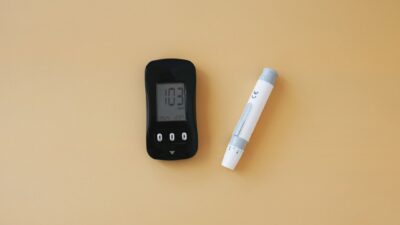
The definitive test is a continuous glucose monitor worn for 10 to 14 nights. Free-trial CGMs and pairing options with smartwatches make this more accessible than ever. If CGM is not available, fingerstick testing at bedtime, 3 a.m., and waking for three consecutive nights offers a reasonable substitute.
Look for one of these patterns:
- Classic dawn phenomenon: bedtime 110, 3 a.m. 105, waking 165
- Somogyi effect: bedtime 130, 3 a.m. 55, waking 180
- Insufficient basal: bedtime 140, 3 a.m. 170, waking 200
- Late dinner spike: bedtime 220, 3 a.m. 150, waking 110
Evidence-Based Management
Dinner timing and composition
Eat dinner at least three hours before bed. Favor lean protein, non-starchy vegetables, and healthy fats. Limit rice, pasta, bread, and sugary desserts. A lower-glycemic evening meal reduces the carbohydrate load your liver has to process overnight.
Movement after dinner
A 15 to 30 minute walk after dinner improves insulin sensitivity for 4 to 6 hours and can blunt the subsequent overnight rise.
Sleep
Seven to nine hours of sleep lowers cortisol baseline. Chronic sleep loss increases cortisol and worsens insulin resistance, making the dawn phenomenon more pronounced.
Medication adjustments
Common strategies, to be decided with your clinician:
- Shift long-acting insulin from morning to bedtime, or split into two doses
- Change from NPH or glargine to degludec, which offers steadier 24-hour coverage
- Add bedtime metformin extended-release to lower hepatic glucose output
- Consider GLP-1 receptor agonists, which reduce glucagon secretion
- For pump users, increase the basal rate during the 3 to 7 a.m. window
Bedtime snacks
A small protein-containing snack (e.g., a tablespoon of almond butter, an ounce of cheese, a boiled egg) is only helpful if documented overnight lows are causing rebound hyperglycemia. For pure dawn phenomenon, bedtime snacks usually make morning numbers worse, not better.
What Does Not Work
Skipping dinner to arrive at bedtime with low glucose often backfires. Without food, the liver still pumps out glucose, and the morning spike can be even higher. Drinking extra water at bedtime does not affect hormone surges. Natural supplements (cinnamon, berberine, chromium) have modest effects on glucose but do not specifically address the dawn phenomenon.
When to Seek Care
Call your clinician if your fasting glucose repeatedly exceeds 180 mg/dL despite dinner and sleep adjustments, if you suspect overnight lows (night sweats, morning headache, vivid dreams), or if basic CGM data does not match your plan. According to the Mayo Clinic, persistent unexplained morning highs warrant a structured review with your diabetes care team, including medication timing and overnight CGM data.
For more context, read our morning blood sugar guide and our Prediabetes 101 hub.
The Bottom Line
The dawn phenomenon is not a mistake or a failure — it is a normal biological surge that reveals itself in diabetes because insulin is in short supply. An overnight CGM or three nights of 3 a.m. fingerstick testing will tell you whether you are dealing with dawn phenomenon, Somogyi rebound, or something else. Evening meal timing, consistent sleep, and targeted medication adjustments with your clinician are the most reliable tools for bringing morning numbers back to target.
Medical disclaimer: This article is for educational purposes only and does not replace personalized medical advice. Always consult your healthcare provider before changing medications, insulin timing, or treatment plans based on overnight glucose readings.