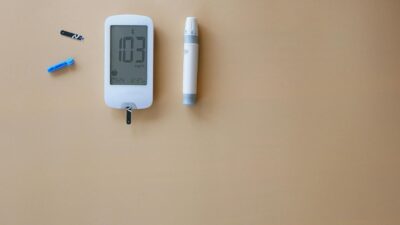
Abbott Lingo is Abbott’s over-the-counter glucose biosensor for non-diabetic wellness users. It is sold separately from the prescription FreeStyle Libre family, with a different app, different marketing, and a different FDA clearance category. The two products share Abbott’s underlying sensor technology but serve different audiences and use cases.
Abbott’s Two-Product Strategy
Abbott now ships two distinct continuous glucose monitor product lines into the US market:
- FreeStyle Libre family (Libre 2, Libre 3, Libre Rio): Prescription medical devices for diabetes management, integrated with insulin therapy and clinician care.
- Lingo: Over-the-counter biosensor for general wellness, weight management, and metabolic awareness in people without diabetes.
The split is deliberate. Abbott can serve diabetes patients through the regulated, insurance-billed channel while opening a parallel direct-to-consumer wellness channel without confusing either audience or jeopardizing the prescription product’s clinical positioning.
Why a Separate Brand?
Several reasons drive the dual-brand approach:
- Clear FDA pathways: The wellness category requires a different submission and labeling than diabetes-management CGMs. A separate brand keeps each product’s claims clean.
- Different reimbursement models: FreeStyle Libre runs through pharmacy and DME insurance benefits. Lingo is cash-pay direct-to-consumer.
- Different user expectations: Wellness users want metabolic-score summaries, food and exercise correlations, and gamified streaks. Diabetes users want urgent-low alerts, share-with-caregiver functions, and pump integration.
- Marketing positioning: Abbott can talk to athletes and biohackers in one brand voice without diluting the medical authority of FreeStyle Libre with clinicians.
How Lingo Differs From FreeStyle Libre
| Feature | Abbott Lingo | FreeStyle Libre 3 |
|---|---|---|
| Intended user | Adults without diabetes | People with diabetes (ages 4+) |
| Prescription required | No (OTC) | Yes |
| FDA clearance category | Wellness biosensor | Integrated CGM (medical) |
| Wear time | 14 days | 14 days |
| Reading interval | Every minute | Every minute |
| Urgent low alerts | No | Yes |
| Insulin pump integration | No | Yes (US planned) |
| Caregiver sharing | Limited | Yes (LibreLinkUp) |
| Insurance coverage | None (cash pay) | Pharmacy / DME |
| App framing | Metabolic score, lifestyle | Glucose trace, time in range |
What Abbott Says Lingo Is For
Abbott markets Lingo for “metabolic awareness” — a wellness umbrella covering weight management, post-meal glucose response, sleep and stress effects on glucose, and athletic performance. The Lingo app translates raw glucose data into a “Lingo Count” or similar metabolic-engagement score that nudges users toward steadier patterns.
How the Sensor Works
Lingo uses a small adhesive sensor worn on the back of the upper arm. Like FreeStyle Libre, the sensor’s filament sits just below the skin and uses glucose oxidase to produce an electrochemical signal proportional to interstitial glucose. The transmitter electronics broadcast readings to the Lingo app via Bluetooth Low Energy. There is no separate transmitter to swap; sensor and electronics are integrated and disposed of together at end of wear.
Where Lingo Sits in the Wellness CGM Market
Lingo is one of three OTC wellness CGM options available in the US:
- Abbott Lingo: Built on Libre sensor technology, app-only.
- Dexcom Stelo: Built on G7 sensor technology, app-only.
- Various rebrands: Wellness platforms (Levels, January AI, Signos) historically bundled prescription FreeStyle Libre or Dexcom sensors with their own apps; some are migrating to OTC sensors.
The OTC wellness segment is new. FDA cleared the first OTC CGM (Stelo) in March 2024, and Lingo followed shortly after. Both target a market estimated by Abbott and Dexcom investors at tens of millions of US adults.
Should You Use Lingo or FreeStyle Libre?
- If you have diagnosed diabetes: Use FreeStyle Libre 2 or 3 (or another prescription CGM) under clinician oversight. Lingo lacks the alert and integration features needed for safe insulin dosing.
- If you have prediabetes: Discuss with your clinician. Some clinicians use prescription CGMs for short-term insight; others recommend Lingo or Stelo as a self-pay option for behavior change. See our broader treatment resources for context.
- If you have no diagnosis and want curiosity-driven data: Lingo is appropriate. Set realistic expectations — short-term wear shows individual glucose patterns, not a diagnosis.
For background on how prediabetes is detected in the first place, see detection of prediabetes.
What Lingo Does Not Do
- Does not diagnose diabetes — abnormal patterns warrant fasting glucose or A1C through a clinician.
- Does not replace clinical care for known metabolic disease.
- Does not generate insurance-quality data; clinicians may not pull Lingo readings into the chart.
- Does not include urgent-low or urgent-high alerts.
- Does not integrate with insulin pumps or automated insulin delivery systems.
Cost and Availability
Lingo is sold direct-to-consumer through Abbott’s website and select retailers. Pricing positions it as a multi-week subscription rather than a one-off device purchase. Specific prices change over time and vary by region; check the current Abbott Lingo storefront for accurate figures.
Privacy and Data
Lingo stores glucose, food log, and metabolic-score data within Abbott’s wellness app ecosystem. Users should review Abbott’s privacy policy for how data may be used, shared with research partners, or retained. Wellness CGM data is generally not subject to HIPAA in the same way prescription medical-device data is.
The Bottom Line
Abbott Lingo is the wellness sibling to FreeStyle Libre, not a replacement. The split lets Abbott serve diabetes patients with regulated, insurance-billed devices and curious wellness users with a direct-to-consumer biosensor. Pick the product that matches your situation: prescription Libre for diabetes management, Lingo for general curiosity about your glucose patterns. If you fall between — say, with prediabetes — talk to your clinician about which channel fits.