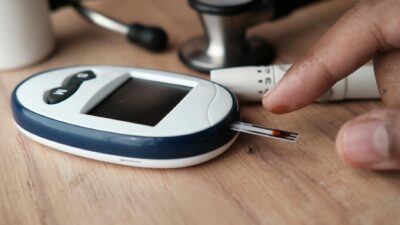
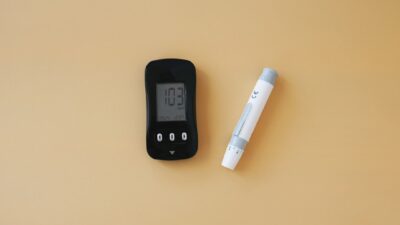
Blood glucose levels measure the sugar in your blood at a moment in time. For most adults without diabetes, fasting glucose is 70-99 mg/dL and post-meal glucose stays under 140 mg/dL. Continuous glucose monitors now make it easier than ever to see how your numbers move across the day.
Blood Glucose Reference Ranges
| When Measured | Normal | Prediabetes | Diabetes |
|---|---|---|---|
| Fasting (8+ hours) | 70-99 mg/dL | 100-125 mg/dL | 126+ mg/dL |
| 2 hours post-meal | Less than 140 mg/dL | 140-199 mg/dL | 200+ mg/dL |
| Random | Usually 80-130 mg/dL | Variable | 200+ with symptoms |
| Bedtime | 90-110 mg/dL | 110-150 mg/dL | 100-140 mg/dL (goal) |
| A1C equivalent | Below 5.7% | 5.7-6.4% | 6.5%+ |
For a deeper dive into how these numbers were set, see our broader article on prediabetes glucose levels.
Time-in-Range: A Better Daily Target
While A1C tracks 2-3 month averages, time-in-range (TIR) measures glucose stability hour by hour. Standard adult goals from the international consensus group:
| Range | Goal (% of Day) |
|---|---|
| 70-180 mg/dL (in range) | Greater than 70% (about 17 hours) |
| Greater than 180 mg/dL (high) | Less than 25% |
| Greater than 250 mg/dL (very high) | Less than 5% |
| Less than 70 mg/dL (low) | Less than 4% |
| Less than 54 mg/dL (very low) | Less than 1% |
According to the American Diabetes Association, every 10% increase in time-in-range corresponds to a roughly 0.5% drop in A1C.
Continuous Glucose Monitors (CGMs)
A CGM is a wearable sensor — usually placed on the upper arm or abdomen — that measures glucose in interstitial fluid every 1-15 minutes. Data streams to a smartphone or receiver and shows trends, alerts, and time-in-range.
Common CGM Systems
| System | Wear Time | Calibration | Notable Feature |
|---|---|---|---|
| Dexcom G7 | 10 days | None required | 30-min warmup; smartphone alerts |
| FreeStyle Libre 3 | 14 days | None required | Smallest sensor; lowest cost OTC |
| Medtronic Guardian 4 | 7 days | None required | Pairs with insulin pump |
| Dexcom Stelo (OTC) | 15 days | None required | For non-insulin users; over the counter |
Why CGMs Beat Fingersticks
- Capture overnight lows you would otherwise sleep through.
- Show post-meal spikes from specific foods.
- Track exercise impact in real time.
- Reveal dawn phenomenon and stress responses.
- Reduce fingerstick burden — one or two confirmatory checks per day.
What Affects Blood Glucose
Foods That Spike Glucose
- White bread, rice, pasta
- Sugar-sweetened beverages and juice
- Pastries, breakfast cereals, granola bars
- Potatoes (white and sweet), corn
- Tropical fruits (banana, mango, pineapple) in large servings
Foods That Stabilize Glucose
- Non-starchy vegetables (broccoli, leafy greens, peppers)
- Eggs, fish, poultry, tofu
- Beans, lentils, chickpeas
- Nuts, seeds, avocado, olive oil
- Berries
- Plain Greek yogurt, cottage cheese
Non-Food Influences
| Factor | Typical Effect |
|---|---|
| Poor sleep (under 6 hours) | Up 10-30 mg/dL fasting; 25% drop in insulin sensitivity |
| Stress (cortisol surge) | Up 20-50 mg/dL |
| Walking after a meal (10 min) | Down 20-30 mg/dL |
| Strength training | Down 20-40 mg/dL; benefits last hours |
| Dehydration | Up 10-20 mg/dL (concentration effect) |
| Illness or infection | Up 30-100 mg/dL |
| Steroid medications | Up 50-200 mg/dL |
| Alcohol (after a few hours) | Down 20-50 mg/dL (risk of overnight low) |
| Menstrual cycle (luteal phase) | Up 10-20 mg/dL |
Daily Glucose Patterns
Even healthy adults have a daily glucose rhythm. Common patterns include:
- Dawn phenomenon — Cortisol and growth hormone peak between 3-7 a.m., raising fasting glucose by 10-30 mg/dL.
- Post-breakfast peak — Often the largest spike, especially if breakfast is carb-heavy.
- Mid-morning dip — Glucose returns to baseline as insulin works.
- Lunch peak — Smaller, especially if you have walked or moved.
- Afternoon slump — Some people experience reactive lows around 3-4 p.m.
- Dinner peak — Insulin sensitivity falls in the evening, so the same meal can spike higher than at lunch.
- Overnight — Stable 80-100 mg/dL in healthy adults.
How Often to Check Glucose
| Situation | Typical Frequency |
|---|---|
| No diabetes, no risk factors | Annual A1C from age 35 |
| Prediabetes | Annual A1C; optional CGM trial |
| Type 2 on lifestyle or metformin only | 1-2 fingersticks per day or periodic CGM |
| Type 2 on insulin | 2-4 fingersticks daily or CGM |
| Type 1 diabetes | 4-10 fingersticks per day or CGM |
| Pregnancy with diabetes | 4-7 checks per day or CGM |
When Glucose Numbers Need Action
High Glucose (Hyperglycemia)
- Over 180 mg/dL repeatedly after meals → review food choices, portions, activity
- Over 240 mg/dL → check ketones if diabetic; call doctor
- Over 300 mg/dL with vomiting, abdominal pain, fruity breath → call 911 (possible DKA)
Low Glucose (Hypoglycemia)
- Under 70 mg/dL → 15-15 rule (15 g fast carbs, recheck in 15 min)
- Under 54 mg/dL with confusion → severe; needs assistance
- Loss of consciousness → glucagon and 911
Improving Your Numbers
Even modest changes shift glucose meaningfully:
- Lose 5-7% of body weight — cuts diabetes risk by up to 58% in prediabetes.
- Walk 10 minutes after each meal — blunts post-meal spikes by 20-30 mg/dL.
- Eat protein and fiber first — slows carbohydrate absorption.
- Sleep 7-9 hours — restores insulin sensitivity.
- Manage stress — meditation, breathing exercises, social connection.
- Stay hydrated — 8 cups of water per day.
For practical food strategies, see our prediabetes diet guide.
The Bottom Line
Blood glucose levels tell you what blood sugar is doing right now, while A1C tells you the 2-3 month average. Aim for fasting glucose of 70-99 mg/dL, post-meal under 140 mg/dL, and at least 70% time-in-range if you wear a CGM. Sleep, stress, hydration, and movement matter as much as food. If your numbers are creeping up, modest weight loss, post-meal walks, and a fiber-rich plate can bring them back into range.