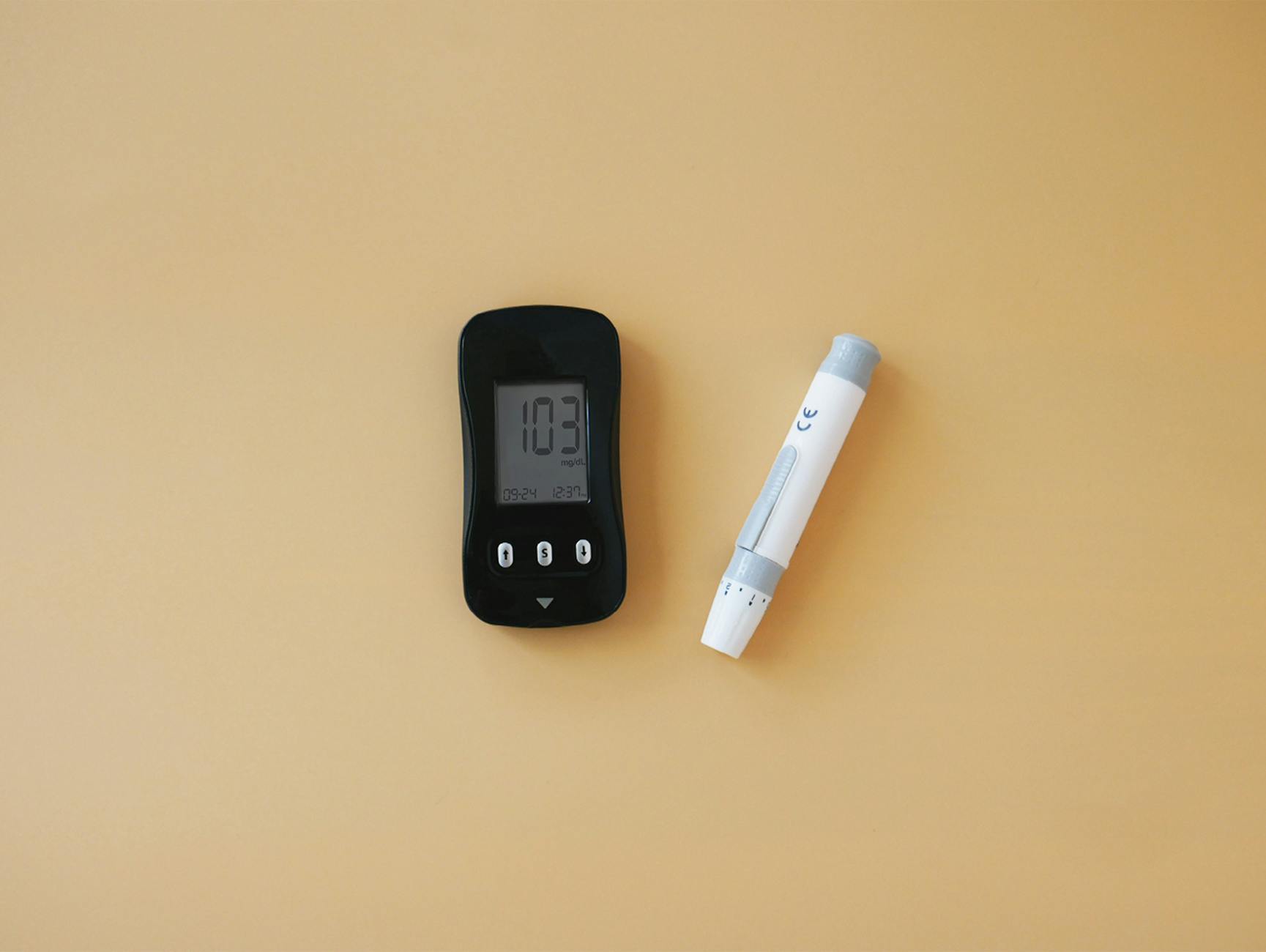
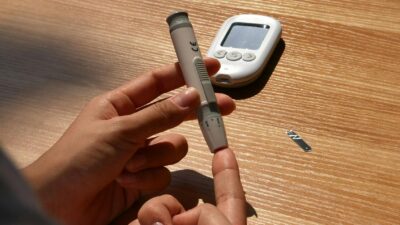
Blood sugar levels measure how much glucose is circulating in your blood at a given moment. For most adults without diabetes, a normal fasting level is 70-99 mg/dL, rising to under 140 mg/dL two hours after a meal. Numbers consistently above these ranges signal prediabetes or diabetes.
Standard Blood Sugar Ranges
The American Diabetes Association and CDC use three primary tests to classify blood sugar: fasting plasma glucose, the oral glucose tolerance test (OGTT), and A1C. The thresholds below apply to non-pregnant adults.
| Category | Fasting (mg/dL) | 2-Hour OGTT (mg/dL) | A1C (%) |
|---|---|---|---|
| Normal | Less than 100 | Less than 140 | Below 5.7 |
| Prediabetes | 100-125 | 140-199 | 5.7-6.4 |
| Diabetes | 126 or higher | 200 or higher | 6.5 or higher |
According to the Centers for Disease Control and Prevention, diagnosis of diabetes generally requires a confirming repeat test on a separate day. Learn more in our overview of A1C levels.
Fasting vs. Post-Meal Blood Sugar
Fasting blood sugar is measured after at least 8 hours without food or caloric drinks, usually first thing in the morning. It reflects the liver’s baseline glucose output and how well your body manages glucose at rest.
Post-meal (postprandial) blood sugar is checked 1-2 hours after eating. It reflects how quickly your insulin clears the glucose surge from a meal. In healthy adults, levels peak around 1 hour after the start of a meal and return to baseline within 2-3 hours.
| When Measured | Healthy Adult | Prediabetes | Type 2 Diabetes Goal |
|---|---|---|---|
| Fasting (morning) | 70-99 mg/dL | 100-125 mg/dL | 80-130 mg/dL |
| 1 hour after meal | Less than 140 mg/dL | 140-180 mg/dL | Less than 180 mg/dL |
| 2 hours after meal | Less than 120 mg/dL | 140-199 mg/dL | Less than 180 mg/dL |
| Bedtime | 90-110 mg/dL | 110-150 mg/dL | 100-140 mg/dL |
How A1C Correlates With Daily Blood Sugar
A1C measures the percentage of hemoglobin in red blood cells that has glucose attached. Because red blood cells live about 120 days, A1C reflects average blood sugar over roughly 3 months.
| A1C (%) | Estimated Average Glucose (mg/dL) | Category |
|---|---|---|
| 5.0 | 97 | Normal |
| 5.7 | 117 | Prediabetes (low end) |
| 6.0 | 126 | Prediabetes |
| 6.4 | 137 | Prediabetes (high end) |
| 6.5 | 140 | Diabetes (low end) |
| 7.0 | 154 | Diabetes |
| 8.0 | 183 | Diabetes (poor control) |
| 10.0 | 240 | Diabetes (very poor control) |
This formula (eAG = 28.7 × A1C – 46.7) was validated by the ADAG study and is published by the American Diabetes Association.
How Blood Sugar Changes Throughout the Day
Even in people without diabetes, blood sugar fluctuates considerably across 24 hours. A typical pattern looks like this:
- 3-7 a.m. — The “dawn phenomenon” releases cortisol, growth hormone, and glucagon, raising fasting glucose by 10-30 mg/dL.
- Breakfast (within 1 hour) — Glucose peaks, often the highest spike of the day if breakfast is carb-heavy.
- Mid-morning to lunch — Glucose returns toward baseline.
- Afternoon — Smaller post-lunch peak; activity often blunts the rise.
- Evening — Insulin sensitivity drops slightly; dinner spikes can be larger than lunch spikes.
- Overnight — Levels stabilize between 80-100 mg/dL in healthy adults.
What Raises Blood Sugar
- Carbohydrates — Refined grains, sugar, juice, and starchy foods cause the largest spikes.
- Stress — Cortisol and adrenaline release stored glucose.
- Illness or infection — Inflammation raises insulin resistance.
- Poor sleep — Even one short night reduces insulin sensitivity by up to 25%.
- Steroids and certain medications — Prednisone, beta-blockers, and some antipsychotics raise glucose.
- Dawn phenomenon — Hormonal surge in early morning.
- Dehydration — Concentrates glucose in the bloodstream.
What Lowers Blood Sugar
- Physical activity — Muscles pull glucose from the blood without needing insulin.
- Fiber and protein — Slow carbohydrate absorption.
- Adequate sleep and stress management — Restore insulin sensitivity.
- Weight loss of 5-7% — Significantly improves insulin response.
- Medications — Metformin, GLP-1 agonists, insulin.
- Alcohol — Can drop glucose hours after drinking, especially without food.
When and How to Test Your Blood Sugar
If you have prediabetes risk factors — overweight, family history, age over 45, gestational diabetes history, or high blood pressure — the CDC recommends an annual screening test. Common testing situations include:
- Fasting glucose — First thing in the morning, no food for 8+ hours.
- Postprandial glucose — Two hours after starting a meal.
- Random glucose — Any time; useful when symptoms are present.
- A1C — Any time of day, no fasting needed.
- Continuous glucose monitor (CGM) — A wearable sensor that reads interstitial glucose every 1-15 minutes.
For more on testing methods see our guide to prediabetes glucose levels.
Symptoms of High and Low Blood Sugar
| High (Hyperglycemia) | Low (Hypoglycemia) |
|---|---|
| Frequent urination | Shakiness, trembling |
| Excessive thirst | Sweating, clamminess |
| Blurred vision | Rapid heartbeat |
| Fatigue | Hunger, irritability |
| Slow-healing wounds | Confusion, dizziness |
| Unexplained weight loss | Loss of consciousness (severe) |
When to Call Your Doctor or 911
- Call your doctor if fasting glucose is consistently above 130 mg/dL, post-meal glucose stays above 180 mg/dL, or your A1C is rising.
- Call 911 if blood sugar is below 54 mg/dL with confusion or unconsciousness, or above 300 mg/dL with vomiting, abdominal pain, fruity breath, or rapid breathing — possible diabetic ketoacidosis.
The Bottom Line
Blood sugar levels are a daily story, not a single number. A normal fasting reading is 70-99 mg/dL and a normal A1C is below 5.7%, but levels naturally swing with food, sleep, stress, and activity. If your numbers are creeping into prediabetes range, modest weight loss, regular movement, and a fiber-rich diet can pull them back. Know your numbers, test annually if you have risk factors, and work with your doctor on a personalized target.