If you’re worried your child may have diabetes, this checklist of 10 warning signs can help you decide whether to schedule a doctor’s visit. This is not a diagnostic tool — only a blood test can confirm diabetes — but recognizing these symptoms early can make a critical difference in your child’s health.
The 10 Warning Signs Checklist
Review the following symptoms. Check each one that applies to your child. These warning signs apply to both type 1 and type 2 diabetes in children, though the speed of onset differs.
1. Frequent Urination
Your child is urinating more often than usual, including waking up at night to use the bathroom. A child who was previously dry at night may start having bedwetting episodes. This happens because excess glucose in the blood spills into the urine, pulling water with it.
When it matters: A noticeable increase over days to weeks, especially nighttime urination or sudden bedwetting in a child who was previously dry.
2. Excessive Thirst
Your child seems constantly thirsty and drinks far more than usual. This is the body’s response to the fluid loss from frequent urination. If your child is asking for water repeatedly throughout the day and night, pay attention.
When it matters: Persistent thirst that doesn’t resolve with normal fluid intake, lasting more than a few days.
3. Unexplained Weight Loss
Your child is losing weight without trying, even while eating normally or more than usual. In type 1 diabetes, the body cannot use glucose for energy and begins breaking down fat and muscle instead. This can cause rapid and noticeable weight loss.
When it matters: Any unexplained weight loss in a child should be evaluated promptly.
4. Increased Hunger
Your child is eating more than usual but may still be losing weight or not gaining appropriately. When cells can’t access glucose for energy, the body signals for more food. This is especially common in type 1 diabetes.
When it matters: Increased appetite combined with weight loss or failure to gain weight.
5. Extreme Fatigue
Your child seems unusually tired, lacks energy for normal activities, or wants to nap more than typical. When glucose can’t enter cells properly, the body’s main energy source is disrupted.
When it matters: Persistent fatigue lasting more than a week that can’t be explained by poor sleep, illness, or increased activity.
6. Blurred Vision
Your child complains of blurry vision or difficulty seeing clearly. High blood sugar causes the lens of the eye to swell, temporarily changing its shape and affecting focus. A child may hold books closer than usual or squint at screens.
When it matters: Any new vision complaints in a child, especially combined with other symptoms on this list.
7. Slow-Healing Cuts or Frequent Infections
Minor cuts, scrapes, or bruises take longer than normal to heal. Your child may also have more frequent skin infections, yeast infections, or urinary tract infections. High blood sugar impairs immune function and slows wound healing.
When it matters: A pattern of slow healing or recurring infections, not just a single incident.
8. Dark Patches of Skin (Acanthosis Nigricans)
You notice dark, velvety patches of skin, typically on the back of the neck, armpits, or groin area. This condition is called acanthosis nigricans and is a sign of insulin resistance. It is more commonly associated with type 2 diabetes and prediabetes.
When it matters: This is a significant physical sign — mention it to your pediatrician even if no other symptoms are present.
9. Irritability or Mood Changes
Your child is more irritable, moody, or emotionally volatile than usual. Blood sugar fluctuations affect mood and behavior. A child who is normally even-tempered may become cranky or tearful without an obvious cause.
When it matters: Mood changes combined with physical symptoms like thirst, fatigue, or urination changes.
10. Fruity-Smelling Breath
Your child’s breath has a sweet or fruity odor. This is caused by ketones — acids produced when the body burns fat instead of glucose for fuel. Fruity breath can be a sign of diabetic ketoacidosis (DKA), which is a medical emergency.
When it matters: This requires immediate medical attention. If your child has fruity-smelling breath along with nausea, vomiting, or abdominal pain, go to the emergency room.
Interpreting the Checklist
| Number of Signs Checked | Recommended Action |
|---|---|
| 0 | No immediate concern — continue routine pediatric checkups |
| 1-2 | Monitor for a week. If symptoms persist or worsen, schedule a doctor visit |
| 3 or more | Schedule a pediatrician visit soon — a simple blood test can check blood sugar |
| Fruity breath + vomiting | Seek emergency medical care immediately — possible diabetic ketoacidosis |
Important: This checklist is informational only. It is not a medical diagnosis. Only a healthcare provider can diagnose diabetes through blood tests. If you are concerned about your child, contact your pediatrician.
Risk Factors for Diabetes in Children
Some children are at higher risk than others. According to the CDC, rates of both type 1 and type 2 diabetes in youth are increasing. Understanding risk factors helps you know when to be extra vigilant.
Type 1 Diabetes Risk Factors
- Family history of type 1 diabetes (parent or sibling)
- Certain genetic markers (HLA genes)
- Being white (higher incidence, though it occurs in all races)
- Age — peak onset between ages 4-7 and 10-14
Type 2 Diabetes Risk Factors
| Risk Factor | Details |
|---|---|
| Excess weight | BMI at or above the 85th percentile for age and sex |
| Family history | Parent or sibling with type 2 diabetes |
| Race/ethnicity | Higher risk in Black, Hispanic, Native American, Asian American, and Pacific Islander youth |
| Inactivity | Less than 60 minutes of physical activity per day |
| Acanthosis nigricans | Dark skin patches indicating insulin resistance |
| Maternal gestational diabetes | Mother had diabetes during pregnancy |
| Age | Most commonly diagnosed after age 10, during puberty |
Type 1 vs. Type 2: How Onset Differs in Children
Knowing the difference helps you understand what to watch for:
Type 1 diabetes typically comes on rapidly — over days to weeks. Symptoms are often dramatic: sudden weight loss, extreme thirst, frequent urination, and fatigue. Type 1 occurs when the immune system destroys the insulin-producing beta cells in the pancreas. It is not caused by diet or lifestyle and cannot be prevented.
Type 2 diabetes develops gradually — over months to years. Symptoms may be subtle or absent in the early stages. It is strongly associated with excess weight, physical inactivity, and family history. Type 2 diabetes in children has increased significantly over the past two decades, paralleling the rise in childhood obesity.
For more on prediabetes specifically in younger populations, see our guide on prediabetes in children.
What to Expect at the Doctor’s Visit
If you bring your child in for diabetes testing, the process is straightforward:
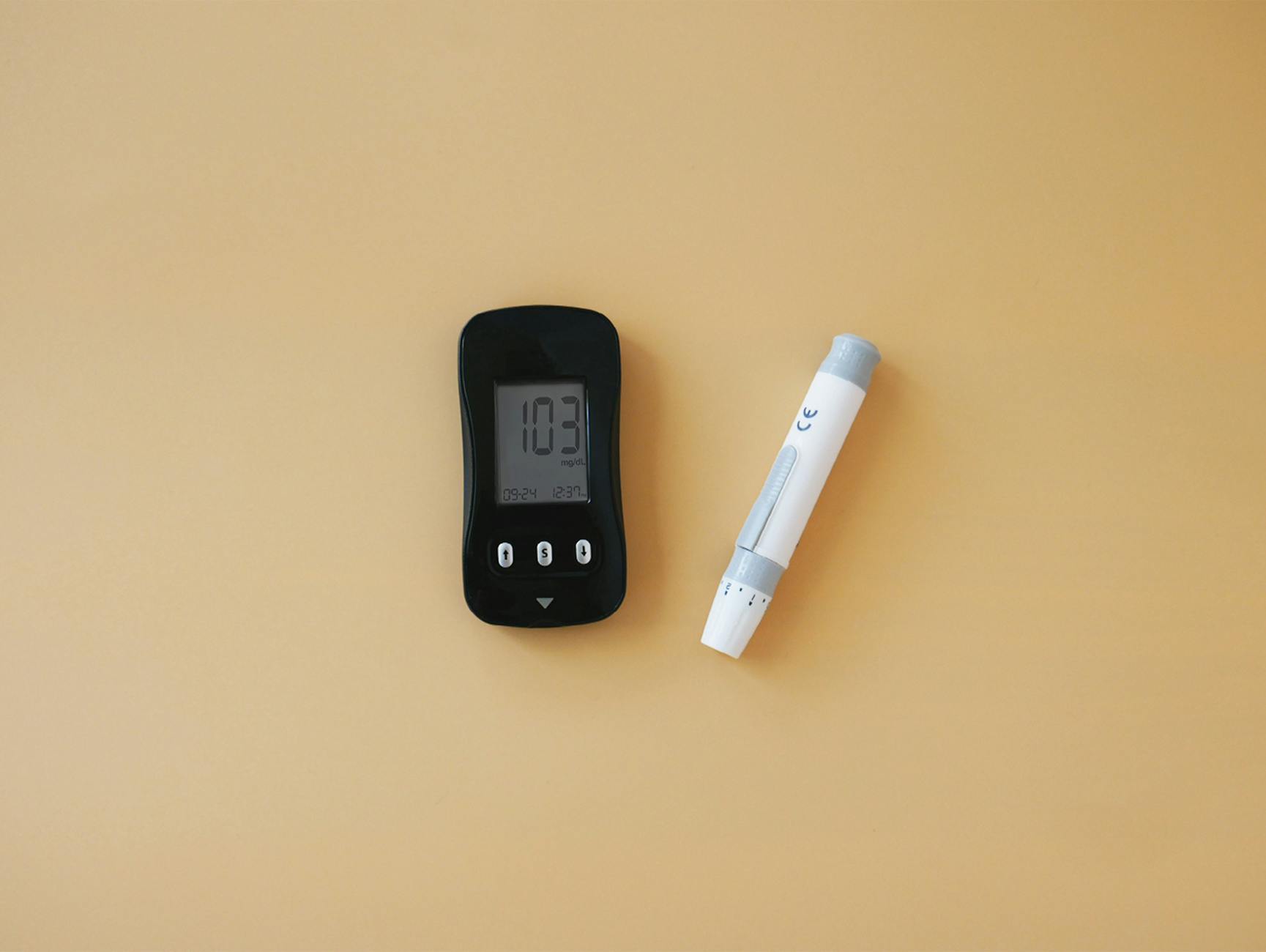
- Blood test: A simple blood draw or finger prick can measure blood glucose and A1C. Results are often available the same day or within 24 hours.
- Medical history: The doctor will ask about symptoms, family history, and recent changes in your child’s health.
- Physical exam: The doctor will check for signs like acanthosis nigricans, weight changes, and overall health.
- Follow-up: If results suggest diabetes, your doctor will discuss next steps, which may include additional testing and referral to a pediatric endocrinologist.
Early detection matters. Catching diabetes before a crisis like DKA leads to better management and fewer complications. Don’t wait if your instincts are telling you something is wrong — a simple A1C test can provide answers quickly.
The Bottom Line
If your child is showing three or more warning signs from this checklist — especially frequent urination, excessive thirst, unexplained weight loss, or extreme fatigue — schedule a visit with your pediatrician. A simple blood test can quickly confirm or rule out diabetes. Fruity-smelling breath combined with nausea or vomiting is a medical emergency requiring immediate care. Both type 1 and type 2 diabetes are manageable conditions, but early detection and prompt treatment make all the difference in your child’s long-term health.