No, you do not need to fast for an A1C test. You can eat, drink, and take your medications normally before having your blood drawn. This is because the A1C test measures something fundamentally different from a fasting glucose test.
Why Fasting Isn’t Needed for A1C
The A1C test measures glycated hemoglobin — the percentage of hemoglobin proteins in your red blood cells that have glucose permanently attached to them. This process happens gradually over the lifespan of a red blood cell, which is about 120 days.
Since A1C reflects the cumulative glucose exposure over 2-3 months, what you ate for breakfast this morning has virtually no impact on the result. According to the National Institute of Diabetes and Digestive and Kidney Diseases, A1C can be measured at any time of day, with or without fasting.
Think of it this way: eating a meal right before the test is like adding one drop of water to a full bathtub. The overall level barely changes.
A1C vs. Fasting Glucose: Fasting Requirements
The confusion about fasting often comes from mixing up A1C with the fasting plasma glucose (FPG) test. These are two different tests with different requirements.
| Feature | A1C Test | Fasting Glucose Test |
|---|---|---|
| Fasting required? | No | Yes — 8+ hours |
| What it measures | Average blood sugar over 2-3 months | Blood sugar right now |
| Affected by recent meals? | No | Yes — eating raises the result |
| Time of day matters? | No — any time | Yes — typically morning |
| Normal result | Below 5.7% | Below 100 mg/dL |
| Prediabetes result | 5.7% – 6.4% | 100-125 mg/dL |
The fasting glucose test requires an overnight fast because it specifically measures how well your body controls blood sugar in the absence of food. Any food you eat will raise your blood glucose and invalidate the result. A1C has no such requirement because it doesn’t measure current glucose — it measures how much glucose has accumulated on your hemoglobin over months.
What If Your Doctor Orders Both Tests?
It’s common for doctors to order A1C and fasting glucose at the same appointment. If this happens, you should fast — not for the A1C, but for the fasting glucose portion. Fasting for at least 8 hours (water is fine) ensures your fasting glucose result is accurate.
When scheduling your blood draw, ask your doctor’s office: “Do any of my ordered tests require fasting?” This avoids surprises and wasted trips. If you accidentally eat before a combined panel, the A1C result will still be valid — but you may need to return another day for the fasting glucose.
How to Prepare for an A1C Test
Preparation is straightforward because there isn’t much to do:
- Eat normally: No dietary changes needed before or on the day of the test.
- Take your medications: Continue all prescribed medications unless your doctor says otherwise.
- Stay hydrated: Drinking water makes it easier for the phlebotomist to find a vein.
- Know your medical history: Tell your doctor about any conditions that could affect A1C accuracy, including anemia, hemoglobin variants, recent blood transfusions, or kidney disease.
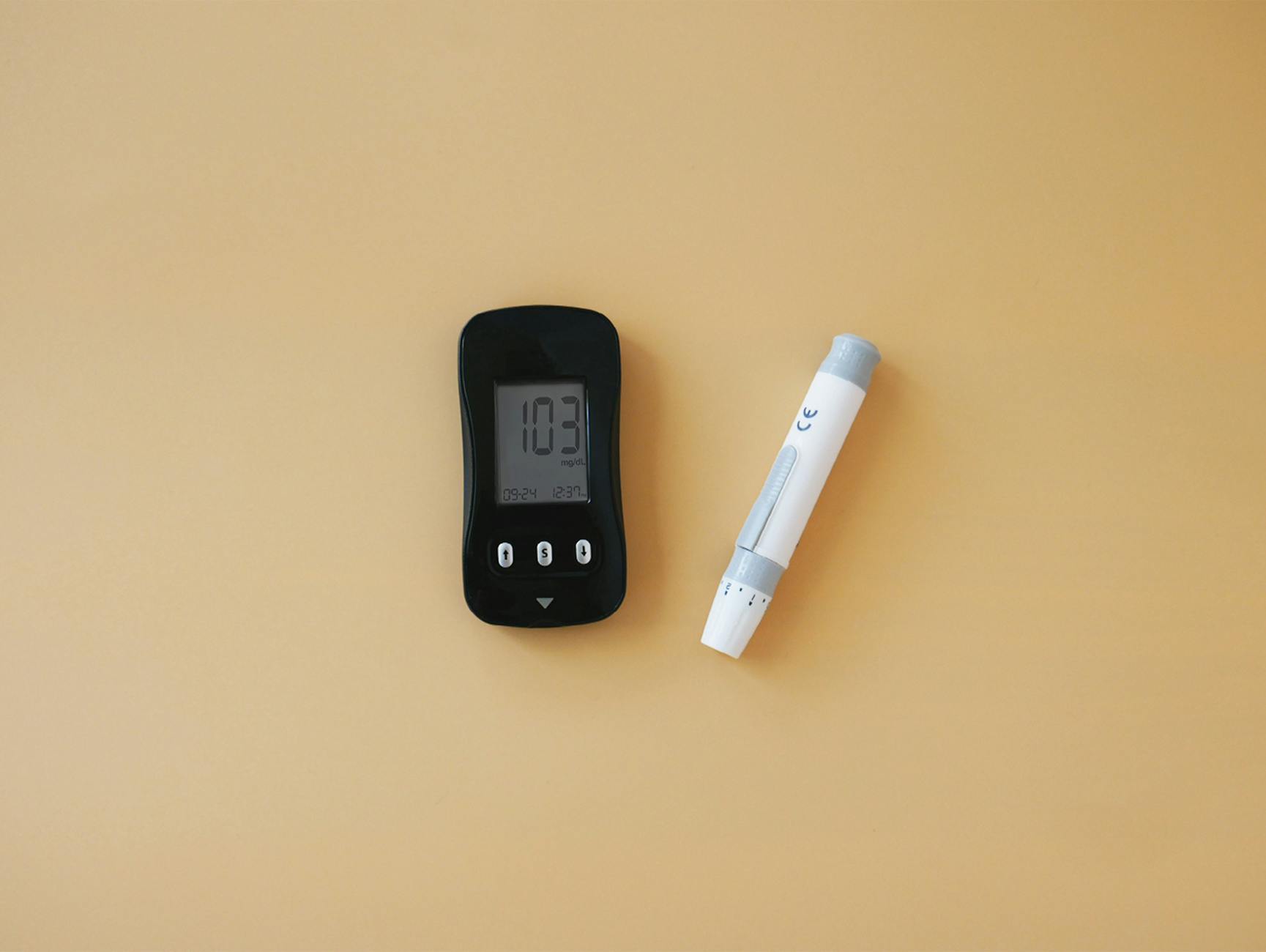
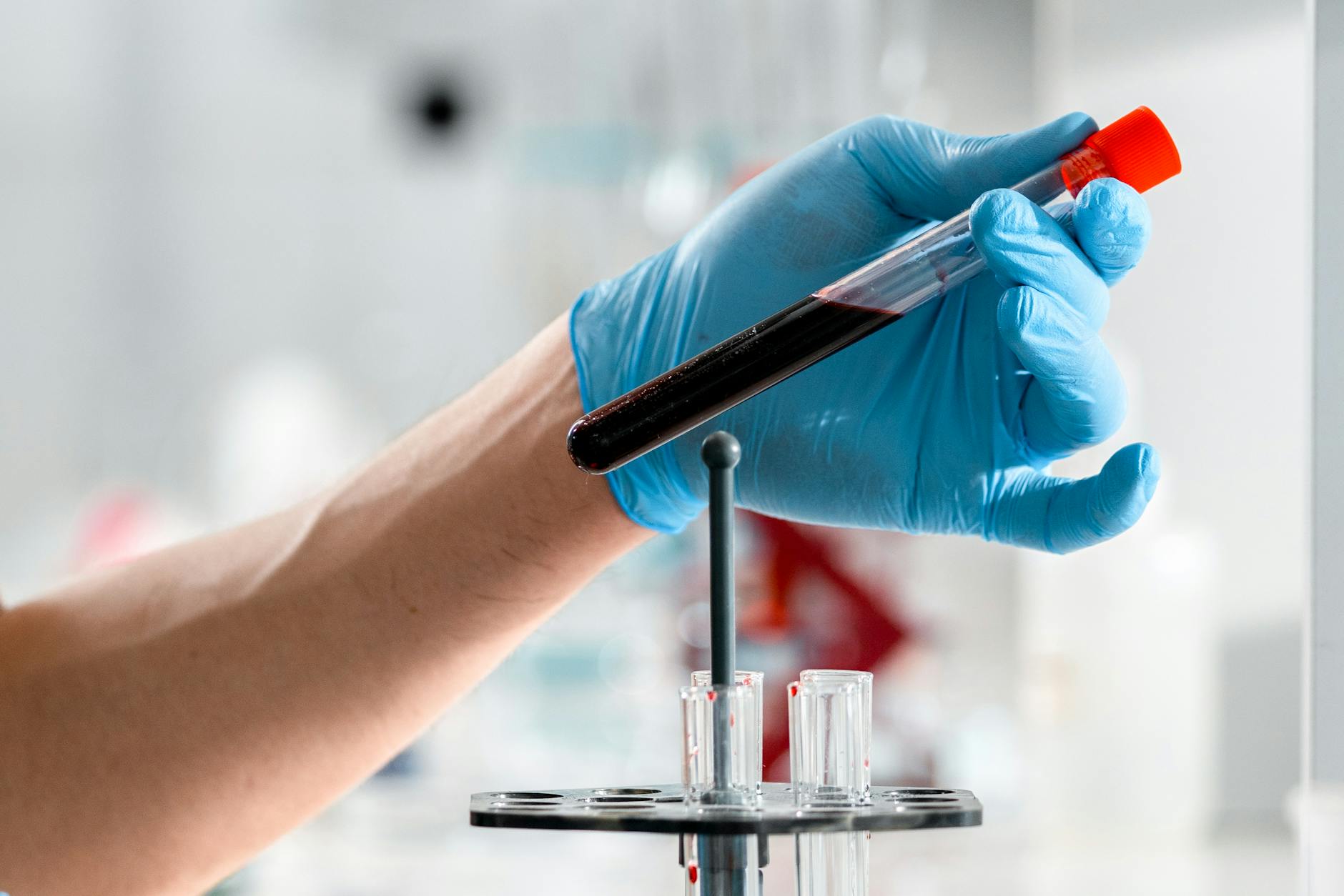
The test itself is a simple blood draw, usually from a vein in your arm. Some point-of-care A1C tests use just a finger prick and provide results in minutes. Learn more about what your results mean in our A1C levels guide.
Understanding Your A1C Results
Once you receive your results, here is how to interpret them according to the American Diabetes Association:
- Below 5.7%: Normal — your average blood sugar has been in a healthy range.
- 5.7% to 6.4%: Prediabetes — your blood sugar is higher than normal and you’re at increased risk for type 2 diabetes.
- 6.5% or higher: Diabetes — typically confirmed with a repeat test on a different day.
If your A1C comes back in the prediabetes range, the good news is that prediabetes is reversible. Lifestyle changes including dietary improvements, regular exercise, and modest weight loss can bring your A1C back into the normal range.
The Bottom Line
You do not need to fast for an A1C test. Eat, drink, and take your medications as you normally would. The A1C test measures glycated hemoglobin — a reflection of your average blood sugar over the past 2-3 months — and is not affected by recent meals. If your doctor also orders a fasting glucose test at the same visit, you will need to fast for that test. When in doubt, call your doctor’s office beforehand to ask whether any of your ordered tests require fasting preparation.