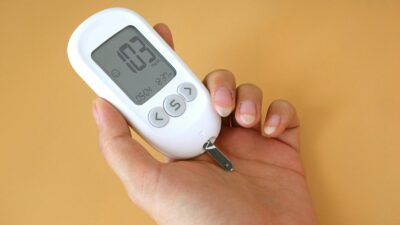
A fasting glucose of 103 mg/dL is mildly elevated and classifies as prediabetes under American Diabetes Association criteria (100-125 mg/dL). It is not an emergency, but it is also not something to ignore. Confirm the reading with a second fasting test or A1C, then start the evidence-based lifestyle steps that bring the number back under 100 in most people within a few months.
What a 103 mg/dL Reading Actually Means
The ADA set the normal fasting plasma glucose cutoff at under 100 mg/dL. A value of 100-125 mg/dL is labeled impaired fasting glucose (IFG), a form of prediabetes. At 126 mg/dL or higher on two separate days, the diagnosis becomes type 2 diabetes. Your 103 is sitting 3 points into the low end of the prediabetes range, which gives you the most wiggle room of anyone in that window.
At this level, your liver is releasing slightly more glucose overnight than a fully sensitive system would, and your pancreas is not shutting that release down quickly enough in the morning. It is a mild signal of early insulin resistance, not organ damage. The target is not just a lower number, it is to reverse the underlying physiology. See the broader prediabetes overview for how this fits into the full diagnostic picture.
How Accurate Is a Single Fasting Glucose Test?
Lab-drawn fasting plasma glucose is one of the more reproducible chemistry tests, but it still has day-to-day variability of 5-10 mg/dL in the same person. The test itself has an analytical coefficient of variation of about 2-3%, which translates to +/- 3 mg/dL around a reading of 103. That means a true value somewhere between 100 and 106 would produce your result on any given day.
Because of this variability, the ADA requires two abnormal readings on separate days before a formal prediabetes or diabetes diagnosis, unless classic symptoms (unexplained weight loss, polyuria, polydipsia) are present. The follow-up test can be another FPG or an A1C. Pairing both provides the strongest picture.
Reasons a Fasting Glucose of 103 Might Be Falsely High
Before concluding you have prediabetes, rule out the common confounders. Any of these can push fasting glucose up by 5-20 mg/dL:
- Fasting less than 8 hours, or accidentally consuming calories (coffee with cream, a mint, a sip of juice).
- A late, large, or high-fat dinner the night before.
- Poor or fragmented sleep, which raises cortisol.
- Acute illness, infection, or recent injury.
- Corticosteroids (oral or injected), thiazide diuretics, atypical antipsychotics.
- The dawn phenomenon, a natural early-morning cortisol and growth hormone surge that can add 5-15 mg/dL.
- Stress or a rushed morning commute before the draw.
If any of these applied the morning you were tested, a retest under standard conditions is reasonable.
Fasting Glucose Ranges at a Glance
| Fasting Plasma Glucose | Category | What It Means |
|---|---|---|
| Under 100 mg/dL | Normal | Routine screening only |
| 100-109 mg/dL | Mild prediabetes (includes 103) | Lifestyle change; retest in 6 months |
| 110-125 mg/dL | Higher prediabetes | Aggressive lifestyle change; discuss metformin |
| 126 mg/dL or higher (x2) | Type 2 diabetes | Medical management required |
When You Should Worry, and When You Should Not
A one-off 103 in an otherwise healthy adult with no symptoms is a wake-up call, not a five-alarm fire. A 103 combined with an A1C of 5.7% or higher, a family history of type 2 diabetes, elevated blood pressure, central obesity, or PCOS is a stronger signal that insulin resistance is established and progressing. A 103 alongside any symptoms of diabetes, such as frequent urination, excessive thirst, blurred vision, or unexplained weight loss, warrants a prompt retest and clinician visit.
Put simply: worry enough to act, not enough to lose sleep over. The CDC estimates that more than 1 in 3 US adults has prediabetes, and the majority do not know it. Being aware is half the battle.
What to Do Next
The next 90 days matter more than the number itself. The Diabetes Prevention Program, a landmark NIH-funded trial, showed that modest lifestyle change cut three-year progression to diabetes by 58% in people with prediabetes. At a fasting glucose of 103, the intervention is especially effective because the dysregulation is still early.
- Weight: Aim for 5-7% loss if you are overweight. At 180 lb, that is 9-13 lb.
- Movement: 150 minutes a week of moderate activity, ideally spread across 5 days with some strength work.
- Carbohydrate quality: Swap refined grains and sugary drinks for whole grains, beans, non-starchy vegetables, and protein. Start with the prediabetes diet hub.
- Sleep: 7-9 hours. Short sleep alone can raise fasting glucose by 5-10 mg/dL.
- Retest: Repeat fasting glucose and check an A1C in 3-6 months.
The Bottom Line
Fasting glucose 103, should I worry? Worry a little, act a lot. The number is 3 points into the prediabetes range, meaning reversal is realistic with lifestyle change alone. Confirm with a repeat test, rule out short-term confounders, and use the next 3-6 months to hit the DPP targets. Most people in the low 100s who make consistent changes see their fasting glucose back under 100 by the next lab draw.