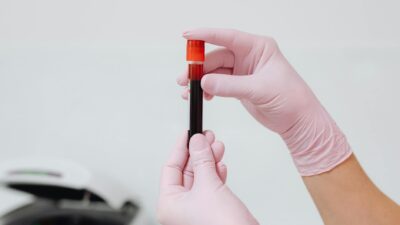
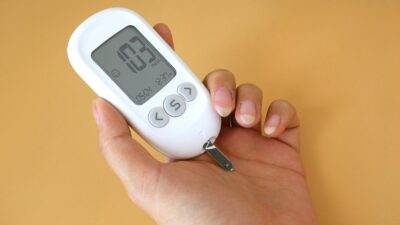
Yes, you can get a free A1C test through several legitimate channels: insurance preventive benefits, Medicare Part B, employer wellness programs, community health fairs, and federally qualified health centers. Under the ACA, most commercial plans must cover diabetes screening at no cost for at-risk adults 35-70. Here is how each option works.
What an A1C Test Measures
The A1C test (also called hemoglobin A1C or HbA1c) measures the percentage of your red blood cells with glucose attached. Because red cells live roughly 120 days, A1C reflects your average blood sugar over the past 2-3 months. It is the standard test for diagnosing prediabetes (5.7%-6.4%) and type 2 diabetes (6.5% or higher), according to the American Diabetes Association. For a full breakdown, see our guide to A1C levels.
Free Options Through Insurance
The Affordable Care Act requires most commercial insurance plans to cover preventive services without copays, coinsurance, or deductibles. Diabetes screening is on that list when ordered for adults 35-70 who are overweight or obese, based on US Preventive Services Task Force guidelines. In practice, that means the A1C blood draw ordered by your primary care doctor is typically free if billed correctly as preventive screening.
If your plan pushes back, ask the billing office to re-code the visit using preventive screening codes. You can also use HealthCare.gov’s preventive care page to confirm coverage.
Medicare Coverage
Medicare Part B covers up to two diabetes screening tests per year at no cost for beneficiaries with risk factors, including hypertension, dyslipidemia, obesity, a history of high blood sugar, or a family history of diabetes. Your doctor must order the test and accept Medicare assignment. The A1C must be performed at a Medicare-approved lab to avoid any charges.
Community Health Fairs and FQHCs
Many local health fairs, YMCAs, and faith-based organizations host free screenings several times a year. These events use FDA-cleared point-of-care A1C analyzers and are typically accurate within 0.5 percentage points of lab values. Federally Qualified Health Centers (FQHCs) also offer sliding-scale or free A1C testing regardless of insurance status — use the HRSA Find a Health Center tool to locate one near you.
Employer Wellness Programs
If your employer offers a wellness program, A1C testing may be free and sometimes tied to premium discounts or HSA contributions. Some programs mail FDA-cleared home A1C kits to enrolled employees; others partner with on-site biometric screening vendors. Check your benefits portal or HR department for current offerings.
Retail Clinics and Pharmacies
Retail clinics like CVS MinuteClinic, Walgreens Healthcare Clinic, and some grocery-store pharmacy clinics offer A1C testing. When billed through insurance as preventive screening, your cost is usually zero. Cash price typically runs $40-$70. Call ahead to confirm pricing and whether a nurse practitioner consultation is included.
Comparison of Free and Low-Cost Options
| Option | Typical cost | Who qualifies |
|---|---|---|
| Primary care + ACA insurance | $0 | Adults 35-70 with BMI ≥ 25 |
| Medicare Part B screening | $0 | Beneficiaries with risk factors (up to 2/year) |
| Community health fair | $0 | Open to public |
| FQHC / community clinic | $0 to sliding scale | Anyone, regardless of insurance |
| Employer wellness | $0 | Enrolled employees |
| Retail clinic (cash) | $40-$70 | Walk-in |
| Home A1C kit (retail) | $20-$40 | Anyone |
What to Do After Your Result
If your A1C is in the prediabetes range (5.7%-6.4%), the CDC-recognized National Diabetes Prevention Program is free or low-cost through most insurers and Medicare. Lifestyle changes — losing 5%-7% of body weight and 150 minutes of weekly activity — reduce progression to type 2 diabetes by up to 58% over three years, per the original DPP trial. Explore our treatment hub for next steps.
The Bottom Line
You should rarely need to pay out of pocket for an A1C test. Start with your primary care doctor and insurance preventive benefits, and explore community health fairs, FQHCs, Medicare screenings, or employer wellness programs if you are uninsured or underinsured. Confirm FDA clearance and proper calibration for any point-of-care or at-home kit, and always follow up abnormal results with a confirmatory lab test.