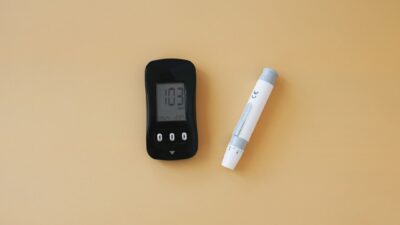
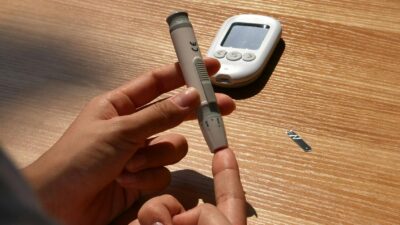
A fasting blood glucose below 70 mg/dL meets the American Diabetes Association’s Level 1 hypoglycemia threshold. Below 54 mg/dL is Level 2 (clinically significant), and severe hypoglycemia is defined by altered mental or physical function regardless of the exact number. Common causes range from medication-related lows in people with diabetes, to fasting and alcohol effects, to lab artifact from delayed sample processing.
How Hypoglycemia Is Defined
The American Diabetes Association Standards of Care define three levels of hypoglycemia:
- Level 1: blood glucose less than 70 mg/dL but at or above 54 mg/dL.
- Level 2: blood glucose less than 54 mg/dL — clinically significant and warrants prompt action.
- Level 3 (severe): any hypoglycemia accompanied by altered mental or physical function requiring assistance from another person, regardless of glucose value.
For people without diabetes, the Whipple triad is the classic diagnostic framework: symptoms consistent with hypoglycemia, a documented low plasma glucose, and resolution of symptoms when glucose is corrected. All three must be present to confirm true hypoglycemia.
Common Causes of a Low Glucose Result
| Category | Examples |
|---|---|
| Diabetes medications | Insulin, sulfonylureas (glipizide, glyburide), meglitinides (repaglinide) |
| Other medications | Quinolones (gatifloxacin), pentamidine, beta-blockers (mask symptoms), some antimalarials |
| Alcohol | Especially on an empty stomach; impairs hepatic gluconeogenesis |
| Prolonged fasting | Extended fasts, post-bariatric surgery dumping |
| Hormone deficiency | Adrenal insufficiency, pituitary disorders |
| Critical illness | Liver failure, sepsis, severe heart failure |
| Insulinoma (rare) | Pancreatic beta-cell tumor producing excess insulin |
| Reactive hypoglycemia | Postprandial drop, often after high-glycemic meals |
| Lab artifact | Delayed sample processing, hemolysis, leukocytosis |
Symptoms vs. Incidental Low
True hypoglycemia usually produces symptoms in two waves. The first is adrenergic — sweating, shakiness, palpitations, hunger, anxiety — driven by the catecholamine response. The second is neuroglycopenic — confusion, difficulty speaking, blurred vision, drowsiness, coordination problems, and at the extreme, seizures or loss of consciousness. If you had no symptoms when the low value was drawn, the result is more likely incidental or artifactual. People with long-standing diabetes can develop hypoglycemia unawareness, where adrenergic symptoms blunt over time and neuroglycopenic symptoms are the first warning.
The Lab Error Question
Glucose values can fall in the collection tube before the sample reaches the analyzer. Whole-blood metabolism by red and white blood cells consumes about 5 to 10 mg/dL per hour at room temperature in standard tubes. If your blood was drawn early in the morning at a busy clinic and not centrifuged or refrigerated promptly, the reported value may be artificially low. Specialized gray-top tubes contain sodium fluoride, a glycolysis inhibitor that slows this drop. According to the Endocrine Society guidelines on hypoglycemia in adults, asymptomatic low glucose values without confirmation should not be the basis for diagnosing hypoglycemia.
Hypoglycemia in People With Diabetes
The most common cause of low blood glucose on a lab test is medication-related: too much insulin relative to carbohydrate intake, a missed meal after a sulfonylurea dose, intense exercise without dose adjustment, or alcohol on top of insulin. Prescribers typically address recurrent lows by adjusting doses, switching to insulin formulations with smoother profiles, adding a CGM (such as the FreeStyle Libre 3 or Dexcom G7), or revisiting the overall regimen. Severe hypoglycemia is treated acutely with oral glucose if alert (15 grams of fast-acting carbohydrate, retest in 15 minutes) or intramuscular/subcutaneous glucagon if not. For more on the diabetes treatment landscape, see our treatment hub.
Hypoglycemia in People Without Diabetes
True non-diabetic hypoglycemia is uncommon and warrants a structured workup. The most important step is documenting symptoms, low glucose, and symptom resolution with carbohydrate at the same time (the Whipple triad). Blood drawn during a spontaneous symptomatic low can be tested for insulin, C-peptide, proinsulin, beta-hydroxybutyrate, and a sulfonylurea screen to differentiate causes:
- High insulin and high C-peptide: insulinoma or sulfonylurea use.
- High insulin and low C-peptide: exogenous (injected) insulin.
- Low insulin and elevated ketones: fasting hypoglycemia, often physiologic.
Reactive hypoglycemia after meals is more common but usually mild, and lifestyle changes (lower glycemic load, more protein, frequent smaller meals) typically address it. The diet and nutrition hub outlines food patterns that smooth postprandial glucose swings.
What to Do Next
If your blood test showed low glucose and you had no symptoms, talk with your prescriber about repeating the test under proper conditions. If you had symptoms, document the time, what you ate before, what medications you took, and how long it took to recover with carbohydrate. According to the NIDDK, recurrent or unexplained hypoglycemia warrants medical evaluation, especially in the absence of diabetes. Bring your medication list, a food log of the prior 24 hours, and any home glucometer or CGM data to the visit.
The Bottom Line
A low glucose result on a blood test should always be interpreted in context. ADA Level 1 hypoglycemia is below 70 mg/dL, Level 2 is below 54 mg/dL, and Level 3 is defined by altered function. Causes include medication effects, fasting, alcohol, hormone deficiencies, rare tumors, and lab artifact. Asymptomatic incidental lows often reflect sample handling rather than true hypoglycemia. Talk with your prescriber if the value is low, the symptoms match, or the pattern repeats.
Medical disclaimer: This article is for informational purposes only and does not constitute medical advice. Always consult a qualified healthcare professional before starting, stopping, or changing any medication or treatment plan.