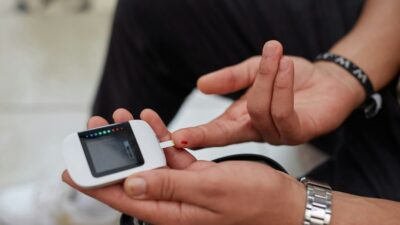
Yes, a UTI can cause high glucose levels. Like other infections, a urinary tract infection makes your body release stress hormones that work against insulin, which pushes blood sugar up. The effect is usually strongest in people with diabetes or prediabetes, and in someone with diabetes a UTI can even help trigger diabetic ketoacidosis (DKA).
Get urgent medical care for a UTI with fever, chills, back or side (flank) pain, nausea or vomiting, or new confusion. These can signal a kidney infection or sepsis. If you have diabetes and also have high ketones, fast breathing or cannot keep fluids down, go to the ER or call 911.
Why a UTI Raises Blood Sugar
When you have an infection, your body shifts into a stress response. It releases hormones such as cortisol and adrenaline, and the immune system releases inflammatory signals. Together, these:
- Make your muscle, fat and liver cells less responsive to insulin
- Prompt the liver to release more glucose into the blood
- Raise your body’s demand for insulin
If your pancreas can make plenty of extra insulin, glucose usually stays in range. If you have diabetes or prediabetes, your body may not keep up, so readings climb. Being less active and eating differently while sick can add to the rise.
A Two-Way Link Between UTIs and Diabetes
The connection runs in both directions. High blood sugar makes UTIs more likely, and UTIs make high blood sugar more likely.
| Direction | What happens |
|---|---|
| UTI raises glucose | Stress hormones and inflammation increase insulin resistance and liver glucose output |
| High glucose raises UTI risk | Glucose in the urine can feed bacteria, and high blood sugar can weaken immune defenses |
| Nerve damage raises UTI risk | Diabetes-related nerve damage can keep the bladder from emptying fully, so urine sits longer |
| Medicines raise UTI risk | SGLT2 inhibitors increase glucose in the urine and carry label warnings for urinary and genital infections |
Because of this loop, a UTI that keeps coming back, or one that comes with unusually high readings, is a good reason to check how well your diabetes is controlled.
UTIs and SGLT2 Inhibitors
SGLT2 inhibitors, such as empagliflozin (Jardiance), dapagliflozin (Farxiga), canagliflozin (Invokana) and ertugliflozin (Steglatro), lower blood sugar by making the kidneys release extra glucose in the urine. Their FDA labels warn about genital yeast infections and serious urinary tract infections, including kidney infections and urosepsis that needed hospital care.
The labels also warn about ketoacidosis, which can happen even when blood sugar is not very high. Illness, eating and drinking less, and dehydration all raise that risk. If you take an SGLT2 inhibitor and develop UTI symptoms, contact your prescriber promptly and ask whether you should keep taking it while you are sick. Our guide to SGLT2 inhibitor side effects covers these warnings.
UTI Symptoms to Watch For
A bladder infection often causes:
- Burning or pain when you urinate
- A strong, frequent urge to urinate, often passing only small amounts
- Cloudy, bloody or strong-smelling urine
- Pressure or pain in the lower belly
Signs that the infection may have reached the kidneys include fever, chills, pain in the back or side, nausea and vomiting. Older adults may not have typical symptoms. A UTI can show up instead as confusion, falls or new trouble with daily tasks. Nerve damage can also blunt bladder symptoms in people with diabetes, so an unexplained jump in glucose may be one of the first clues that something is wrong.
What to Do If You Have Diabetes and a UTI
See your doctor for testing and treatment. A urine test confirms the infection, and your doctor will choose a treatment based on your situation. While you recover:
- Check your glucose more often. Many sick-day plans suggest every 2 to 4 hours.
- Check ketones if your plan says to, especially if you have type 1 diabetes, take an SGLT2 inhibitor or your glucose is above 240 mg/dL (13.3 mmol/L).
- Keep drinking fluids unless your doctor has limited them.
- Keep taking your diabetes medicines unless your care team tells you to change or pause them. Insulin needs may go up, not down.
- Call your care team if readings stay above your target, ketones are rising, or you cannot eat or drink.
Our sick-day rules guide explains how to prepare a plan before you need it.
When High Glucose and a UTI Become an Emergency
A UTI and pneumonia are among the common illnesses that can lead to DKA. Warning signs include extreme thirst, frequent urination, nausea, vomiting, belly pain, weakness, fruity-smelling breath, shortness of breath and confusion. Very high glucose with severe dehydration, especially in older adults with type 2 diabetes, can also lead to hyperosmolar hyperglycemic state (HHS), another emergency.
| Situation | Action |
|---|---|
| UTI symptoms, glucose a little above target | See your doctor and monitor closely |
| Glucose staying above target or ketones present | Contact your care team the same day |
| Fever, flank pain, chills or vomiting | Seek urgent care |
| Confusion, fast breathing, high ketones or cannot keep fluids down | Go to the ER or call 911 |
Could a UTI Reveal Undiagnosed Diabetes?
Sometimes. A urine test done for a UTI may show glucose in the urine, and blood work may show a high glucose level. One high reading during an infection does not diagnose diabetes, because infection can raise glucose temporarily. Your doctor may repeat the test after you recover or order an A1C, which reflects your average glucose over about three months. Learn how results are read in our A1C levels guide.
The Bottom Line
A UTI can cause high glucose levels because infection triggers stress hormones and inflammation that make insulin work less well. People with diabetes or prediabetes feel this most, and high glucose in turn makes UTIs more likely. If you have diabetes, treat a UTI as a sick day: check your glucose and ketones more often, stay hydrated and keep in touch with your care team. Fever, back pain, vomiting or confusion need urgent care. If readings stay high after the infection clears, ask about testing or updating your diabetes plan.