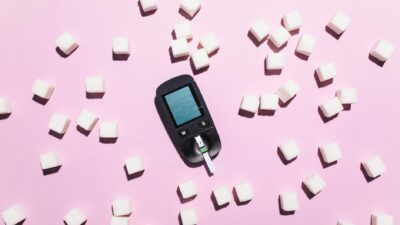
High blood sugar in the morning is usually caused by one of four things: the dawn phenomenon (a natural pre-dawn hormone surge), waning basal insulin, the Somogyi effect (rebound from an overnight low), or late-night eating, drinking, or stress. The dawn phenomenon is by far the most common. A few nights of continuous glucose monitoring or 2 AM fingersticks can identify which one is yours — and the right fix depends entirely on the cause.
The Four Main Causes of High Morning Blood Sugar
| Cause | Overnight Pattern | Typical Fix |
|---|---|---|
| Dawn phenomenon | Glucose steady then rises around 3-8 AM | Adjust basal insulin timing, morning exercise, reduce evening carbs |
| Waning basal insulin | Glucose slowly rises through the night | Switch to longer-acting basal or split dose |
| Somogyi effect (rebound) | Glucose dips below 70 mg/dL then rebounds high | Lower basal or add bedtime snack; confirm with CGM first |
| Late-night eating or alcohol | Glucose rises after bedtime meal/drinks | Shift meal timing, reduce carbs or alcohol at night |
Cause 1: The Dawn Phenomenon
In the hours before sunrise, the body naturally releases cortisol, growth hormone, glucagon, and epinephrine. These “counterregulatory” hormones prime the body for waking by telling the liver to pump out glucose. In people without diabetes, pancreatic beta cells secrete just enough insulin to keep morning glucose steady. In people with insulin resistance or insufficient insulin, the rise is unchecked — glucose climbs 20 to 60 mg/dL between 3 AM and 8 AM.
The dawn phenomenon is present in about 50% of people with type 2 diabetes and the majority of those with type 1. It is more pronounced when HbA1c is higher and tends to lessen as overall control improves. For more on how these glucose targets relate to long-term control, see our A1C levels guide.
What Helps the Dawn Phenomenon
- Morning exercise: A 20-30 minute walk or light cardio blunts the pre-breakfast glucose rise by increasing muscle glucose uptake.
- Lower evening carbs: A dinner lower in refined carbohydrates reduces overnight liver glycogen stores.
- Adjusted basal insulin timing: Moving long-acting insulin to evening rather than morning can cover the pre-dawn rise more evenly.
- Metformin timing: Extended-release metformin at dinner may reduce hepatic glucose output overnight.
- Weight loss and overall insulin sensitivity improvements: Reduce the magnitude of the rise over time.
Cause 2: Waning Basal Insulin
Older long-acting insulins like NPH last only 10-16 hours. Even newer insulins — glargine (Lantus, Basaglar, Semglee), Toujeo, and degludec (Tresiba) — may not give even 24-hour coverage in every user. If the effect tapers overnight, glucose drifts up even without a dawn-phenomenon hormone surge. On CGM, the pattern looks like a slow, steady climb rather than a sharp pre-dawn rise.
The fix is usually either switching to a longer-duration basal (Tresiba, Toujeo), splitting the basal dose into morning and evening, or adjusting the total basal units with help from your care team. Always coordinate dose changes with your clinician — do not adjust insulin on your own.
Cause 3: The Somogyi Effect (Rebound Hyperglycemia)
The Somogyi effect is rebound hyperglycemia after an overnight hypoglycemic episode. Glucose drops below 70 mg/dL (often silently), the body releases counterregulatory hormones, and the liver floods the bloodstream with glucose. You wake up high.
This used to be a leading cause of morning highs in the era of older insulins and infrequent monitoring. Modern data, especially from CGMs, suggests it is now uncommon. But it still happens — and the fix is the opposite of what you would do for dawn phenomenon. Reducing basal insulin or adding a bedtime snack (only if a low is documented) fixes rebound but would worsen a dawn-phenomenon pattern. For more detail, read our full article on the Somogyi effect.
Cause 4: Late-Night Eating, Alcohol, or Stress
What you do after dinner matters more than most people realize. Common culprits include:
- High-carb or high-fat late snacks that continue absorbing well into sleep.
- Alcohol: Can cause either lows (from hepatic glucose suppression) or highs (from sugar-laden drinks) — often both on the same night.
- Poor sleep: Even one night under 6 hours raises next-day insulin resistance and fasting glucose.
- Late evening stress (work, arguments, screens): Elevates cortisol into sleep hours.
- Shift work or jet lag: Disrupts the normal circadian rhythm of cortisol and insulin sensitivity.
How to Find Out Which Cause Is Yours
Guessing is expensive and sometimes dangerous. Instead, collect 3-7 nights of overnight glucose data:
- Continuous glucose monitor (CGM): Dexcom G7, FreeStyle Libre 3 Plus, or an over-the-counter option like Stelo. See our guide on CGM options and treatment.
- 2 AM and 4 AM fingersticks: Set an alarm for several nights — a low-tech but effective approach.
- Morning ketone test: If mornings are high and you are on insulin, ketones can suggest insufficient insulin overnight.
Take the overnight pattern, bedtime food, and bedtime medication to your diabetes care team. They can recommend a targeted fix based on the actual pattern rather than a guess.
Lifestyle Strategies That Help All Causes
While waiting for a personalized plan, these general strategies lower morning glucose in most people and are unlikely to cause harm:
- Walk 10-20 minutes after dinner to reduce post-meal glucose spillover into sleep.
- Keep last meal at least 2-3 hours before bedtime.
- Choose protein-forward or fiber-rich late snacks instead of refined carbs, if eating late.
- Limit evening alcohol, especially sweet mixers and beer.
- Aim for 7-9 hours of sleep in a dark, cool room.
- Manage evening stress with a wind-down routine: reading, stretching, or breathing exercises.
- Take a short morning walk before or after breakfast to blunt the dawn rise.
When to Call Your Doctor
Seek medical guidance if:
- Morning blood sugar is consistently above 180 mg/dL despite lifestyle and adherence.
- You have any overnight lows below 70 mg/dL.
- You have signs of DKA — vomiting, fruity breath, rapid breathing, confusion — which require the ER.
- You are on insulin and considering any dose change.
- Morning fasting glucose is a new issue for someone recently diagnosed with prediabetes or type 2 diabetes.
The Bottom Line
High morning blood sugar is almost always the dawn phenomenon, waning basal insulin, rebound from an overnight low, or late-night eating. The right fix depends on the cause, which you can identify with a few nights of CGM data or 2 AM fingersticks. Don’t adjust insulin on your own; share the overnight pattern with your clinician and get a plan that matches what is actually happening while you sleep.
Sources
- American Diabetes Association. Standards of Care in Diabetes 2025 — Glycemic Goals.
- Monnier L, Colette C, Dejager S, Owens D. The dawn phenomenon in type 2 diabetes. Diabetes Metab. 2013;39(2):132-137.
- Centers for Disease Control and Prevention. Manage Blood Sugar.
- National Institute of Diabetes and Digestive and Kidney Diseases. Managing Diabetes.