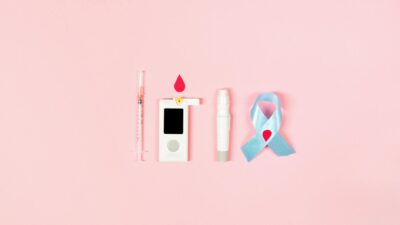
The Accu-Chek Guide is a compact blood glucose meter from Roche Diabetes Care that combines fast, accurate readings with convenient features like spill-resistant strip storage and smartphone app connectivity. It is one of the more popular over-the-counter glucose meters in the United States.
What the Accu-Chek Guide Does
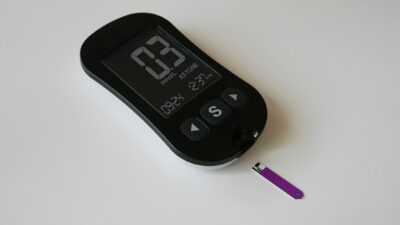
The Accu-Chek Guide measures blood glucose from a small drop of blood, usually obtained from a finger stick. It processes the sample using an enzyme-coated test strip and delivers a glucose reading in milligrams per deciliter (mg/dL) in about 4 seconds. The meter stores up to 720 readings and tracks averages across 7, 14, 30, and 90 days.
Many people with diabetes use meters like the Accu-Chek Guide for self-monitoring of blood glucose, especially those on insulin therapy or who need to confirm unexpected readings from a continuous glucose monitor.
Key Features
Several features make the Accu-Chek Guide stand out among blood glucose meters:
- SmartPack strip vial — Spill-resistant opening releases one strip at a time.
- Fast 4-second results — One of the quickest readings among consumer meters.
- Small blood sample — Requires only 0.6 microliters.
- Strip port light — Illuminates the strip port for testing in low light.
- Bluetooth connectivity — Pairs with the mySugr app for automatic logging.
- Second-chance sampling — You can add more blood within 60 seconds if the first drop is too small.
- Wide strip dosing area — Easier to apply blood, especially for people with dexterity challenges.
Accuracy and Standards
Accuracy is the most important feature of a blood glucose meter. The FDA sets accuracy requirements for home-use glucose meters, and the international ISO 15197:2013 standard requires that 95 percent of results be within plus or minus 15 percent of a reference value (for readings 100 mg/dL and above) or plus or minus 15 mg/dL (for readings below 100 mg/dL).
The Accu-Chek Guide exceeds this standard. In performance testing, 99 percent of readings met these thresholds. This places it among the more accurate over-the-counter glucose meters on the market. According to the American Diabetes Association, accuracy is especially important for people using insulin, where dosing decisions depend on reliable readings.
How to Use the Accu-Chek Guide
Using the Accu-Chek Guide is straightforward. Basic steps include:
- Wash and dry hands thoroughly.
- Insert a test strip into the meter (turns on automatically).
- Use the Accu-Chek FastClix lancing device to obtain a small drop of blood.
- Apply the blood to the strip’s dosing area.
- Read the result on the meter’s display in about 4 seconds.
- Data syncs automatically to the mySugr app if Bluetooth is active.
The meter also lets you mark readings as pre-meal, post-meal, or other custom markers to help you interpret glucose trends.
| Feature | Specification |
|---|---|
| Blood sample size | 0.6 microliters |
| Test time | ~4 seconds |
| Measurement range | 20-600 mg/dL |
| Memory | 720 readings |
| Connectivity | Bluetooth to mySugr app |
| Battery | CR2032 coin cell |
Who the Accu-Chek Guide Is For
The Accu-Chek Guide is suitable for adults and children with diabetes who need to check blood glucose with finger sticks. It is particularly useful for people on insulin who need frequent checks, those confirming CGM readings, or people who use glucose readings alongside lifestyle changes to manage blood sugar.
For people with prediabetes, blood glucose meters are not typically used for daily monitoring, though some may find them helpful for understanding how food and activity affect their glucose. People focused on tracking A1C levels and following prediabetes management strategies should discuss with their healthcare provider whether at-home glucose testing would add useful information.
The mySugr App Integration
The Accu-Chek Guide pairs with the mySugr app, which Roche owns. This integration brings several benefits:
- Automatic syncing of every reading
- Logging of meals, carbs, insulin, and activity
- Trend charts and time-in-range summaries
- Estimated A1C based on average glucose
- Shareable reports for appointments
A free version of mySugr covers basic logging, while a paid Pro version adds additional features like unlimited reminders and estimated A1C tracking.
Common Issues to Watch For
As with any glucose meter, accuracy can be affected by several factors:
- Wet or contaminated fingers — Water, sweat, or food residue can alter readings. Always wash and dry hands before testing.
- Expired or damaged strips — Strips degrade with heat, humidity, and expiration. Close the SmartPack vial immediately after use.
- Temperature extremes — Readings may be inaccurate in very hot or cold conditions.
- Altitude — Very high altitudes can affect accuracy.
- Too little blood — Can cause error messages; use second-chance sampling to add more within 60 seconds.
Cost and Coverage
The Accu-Chek Guide meter itself is often available free or at low cost through manufacturer promotions. Ongoing costs come mainly from test strips, which typically run 50 cents to 1 dollar per strip at retail prices. Insurance coverage varies, and many plans include Accu-Chek strips on preferred formularies.
Medicare Part B covers blood glucose meters and strips for people with diabetes when prescribed, though Medicare may have a preferred list of covered meters. Check with your pharmacy and insurance plan to compare costs.
The Bottom Line
The Accu-Chek Guide may help people with diabetes track blood glucose with reliable accuracy, fast results, and convenient app integration. Its spill-resistant strip vial and wide dosing area make it especially user-friendly for people with dexterity challenges. If you are choosing a blood glucose meter, talk with your diabetes care team and pharmacist about the Accu-Chek Guide’s features, strip costs, and how its data can fit into your overall diabetes management plan.