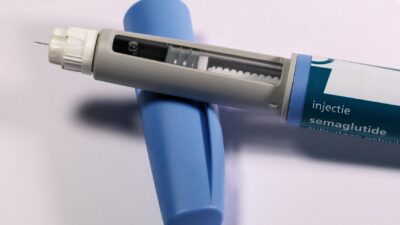
The best place to inject tirzepatide is any of the three FDA-approved subcutaneous sites: the abdomen at least two inches from the navel, the front of the thigh, or the back of the upper arm. All three are acceptable; what matters most is rotating sites each week, avoiding damaged skin, and following the injection technique printed in the prescribing information for your specific pen or vial.
What FDA Labeling Says About Tirzepatide Injection Sites
Both Mounjaro and Zepbound are approved for weekly subcutaneous injection. According to the Mounjaro prescribing information and the Zepbound prescribing information, the labeling instructs patients to inject into the abdomen, thigh, or upper arm. The three approved sites share one feature: each has a reliable layer of subcutaneous fat under skin with relatively few superficial blood vessels, which supports steady drug absorption.
The Three Approved Sites
| Site | Landmark | Notes |
|---|---|---|
| Abdomen | At least two inches from the navel, anywhere across the soft front-belly area | Usually the easiest self-access; broad surface for weekly rotation. |
| Front of thigh | Midway between hip and knee, about a hand’s width from the groin and from the knee | Simple self-access while seated; may benefit from pinching a skin fold. |
| Back of upper arm | Fleshy area above the triceps, not the boniest part | Typically requires a partner to inject unless you are very flexible. |
Why Rotation Matters
Giving repeated injections in the same patch of skin can cause lipohypertrophy, a lumpy thickening of subcutaneous fat. The CDC’s education on insulin injection practices documents this effect for insulin, and the same pattern is observed with GLP-1 and GLP-1/GIP injections. Lipohypertrophic areas absorb drug less reliably, which can blunt the weekly effect and make dose responses harder to predict.
To rotate effectively:
- Pick a different region (abdomen, thigh, arm) across different weeks, not just a different spot within the same inch.
- Within a region, move at least one inch from the previous injection point.
- Track sites on a simple log or in an app if you struggle to remember.
Areas to Avoid
- Within two inches of the navel, which has denser connective tissue.
- Skin that is tender, red, bruised, or hot to the touch.
- Scars, surgical incisions, tattoos, and visible moles.
- Active stretch marks, which reflect disrupted subcutaneous tissue.
- Areas within a snug waistband, bra line, or exercise strap that will rub the site after injection.
Step-by-Step Technique for Any of the Three Sites
- Let the pen warm. Remove from the refrigerator 30 minutes before injection to reduce sting.
- Wash hands. Clean the site with an alcohol swab and let it air dry.
- Uncap the pen. Follow your specific pen’s instructions for use. Do not touch the base where the needle is housed.
- Pinch a fold if needed. For thigh or arm injections, or if you have low body fat, pinch up a two-inch fold of skin.
- Press flat and hold. Place the clear base flush against the skin and press the injection button. Hold until you hear the confirmation click, typically 5 to 10 seconds.
- Dispose. Drop the used pen or needle directly into an FDA-cleared sharps container. Do not recap.
Troubleshooting Injection-Site Issues
| Reaction | What It Likely Is | What to Do |
|---|---|---|
| Small bead of blood | Minor capillary nick | Apply gentle pressure; a bandage if needed. |
| Pink halo for a few hours | Mild irritation from the medication or alcohol swab | Normal; resolves on its own. |
| Itchy red welt for several days | Localized hypersensitivity | Mention at next visit; consider alternating sites more aggressively. |
| Hard lump that persists | Possible early lipohypertrophy | Avoid the area for at least 4 weeks; call your clinician. |
| Spreading redness, warmth, pus | Possible infection | Seek medical care promptly. |
Special Situations
- Very lean patients: Use the abdomen or thigh with a pinched skin fold to ensure subcutaneous, not intramuscular, placement.
- Higher-BMI patients: Any of the three sites work; abdomen is commonly easiest.
- Pregnancy: Tirzepatide is not indicated during pregnancy. If you become pregnant, contact your clinician.
- Recent abdominal surgery: Use the thigh or arm until your surgeon clears abdominal injections.
How This Fits Into Your Overall Care Plan
Injection technique is only one part of safe tirzepatide use. Dose escalation, storage, and monitoring of your A1C levels or weight all matter. If you are using tirzepatide alongside lifestyle changes for prediabetes or early type 2 diabetes, pair it with the nutrition and activity foundations covered in our treatment hub.
The Bottom Line
There is no single “best” place to inject tirzepatide — all three FDA-approved sites work when used correctly. The real best practice is consistent rotation, avoiding damaged skin, and following the exact instructions for use that ship with your pen or compounded vial. Raise any persistent skin reaction with your clinician before the next weekly dose.
Medical disclaimer: This article is for informational purposes only and does not constitute medical advice. Always consult a qualified healthcare professional before starting, stopping, or changing any medication or treatment plan.