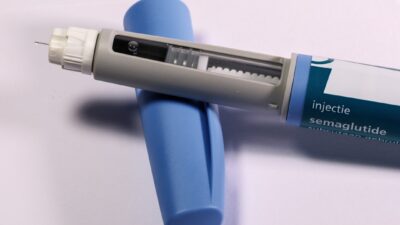
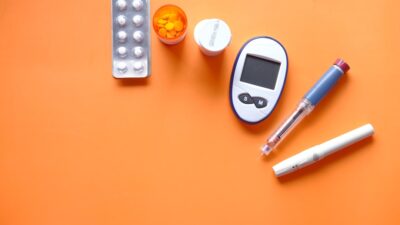
Anxiety is not a labeled side effect of tirzepatide, and clinical trials did not show elevated rates above placebo. Some users report anxiety in real-world use; the most common explanations are low blood sugar (which mimics anxiety symptoms), dehydration from GI side effects, rapid weight loss, disrupted sleep, and coincidental life stress. The FDA is monitoring reports of mental health effects with all GLP-1 receptor agonists but has not established a direct causal link. If you experience anxiety on tirzepatide, rule out these mimics first, then discuss with your clinician.
What the Clinical Trials Showed
Across the SURMOUNT (weight loss) and SURPASS (type 2 diabetes) trial program:
- Anxiety was not listed as a common adverse event (no event type above 5 percent with statistically meaningful elevation vs placebo)
- Depression and anxiety-related events were tracked as part of overall safety monitoring
- Trial rates did not differ significantly between tirzepatide and placebo arms
- The FDA label for both Mounjaro and Zepbound does not include anxiety in the warnings or common adverse reactions sections
Why Some Users Report Anxiety Anyway
Hypoglycemia Feels Like Anxiety
Low blood sugar (under 70 mg/dL) triggers an adrenaline response — rapid heartbeat, shakiness, sweating, feeling of doom, difficulty concentrating. These symptoms are nearly identical to an anxiety episode. Tirzepatide alone rarely causes hypoglycemia, but combined with insulin, sulfonylureas, or missed meals can. Check blood glucose during any anxiety-like episode.
Dehydration and Electrolyte Shifts
Tirzepatide’s GI side effects (nausea, vomiting, diarrhea) can cause dehydration and mild electrolyte imbalance. Low potassium or magnesium can cause palpitations, irritability, and anxious feelings. Maintaining 2 to 3 liters of fluid daily helps.
Rapid Weight Loss
Losing 1 to 2 percent of body weight per week releases stored hormones from fat cells, which can affect mood. Thyroid-regulating changes, fluctuating estrogen or testosterone, and altered cortisol rhythms all accompany significant weight loss. This effect is usually temporary and resolves within 1 to 3 months as the body stabilizes.
Sleep Disruption
Many people report disrupted sleep in the first weeks of tirzepatide — possibly from GI discomfort, dietary changes, or anxiety about new side effects. Poor sleep directly worsens next-day anxiety. Good sleep hygiene (consistent bedtime, limited blue light, cool room) helps.
Nutritional Changes
Reduced appetite often means reduced intake of protein, B vitamins, and complex carbohydrates — all relevant to mood regulation. Very low carb intake can also cause fluctuations in serotonin precursors. Track protein intake (aim 1.2 to 1.6 g/kg body weight) and a daily multivitamin if intake is minimal.
Coincidental Life Events
Weight-loss journeys often coincide with life change — relationship shifts, body image adjustment, attention from others, clothing size transitions. These produce real anxiety separate from the medication. It is worth separating “anxiety because of new circumstances” from “anxiety caused by the drug.”
Other Medications Tapered or Changed
Starting tirzepatide often prompts clinicians to taper insulin, sulfonylureas, or other diabetes medications. These changes can cause their own transient symptoms. Review whether any other medication changes happened around the same time.
Practical Steps If You Feel Anxious
- Check blood glucose — especially if on insulin or sulfonylureas; treat any low with 15 g fast-acting carb
- Drink 16 to 20 oz of water with electrolytes
- Track sleep for a week — target 7 hours minimum
- Track protein intake — aim for 20 to 30 g per meal
- Note timing — does anxiety cluster after injections, during certain times of day, or randomly?
- Consider journaling: what else has changed? New stress? Relationship shift? Work event?
- If persistent, talk to your clinician — bring the tracking log
When to Contact Your Clinician
- Anxiety persists or worsens for more than 2 weeks
- Panic attacks begin after starting the medication
- Sleep is significantly disrupted
- Daily function is affected
- Thoughts of self-harm or suicide — seek immediate attention (call 988 in US)
- New mood changes in someone with a prior mental health diagnosis
- Significant weight loss plus anxiety plus sleep loss — rule out thyroid dysregulation
Options With Your Clinician
| Option | When It Fits |
|---|---|
| Hold dose titration | Anxiety appeared after a dose increase |
| Slow dose titration (extend each step) | Persistent anxiety with GI side effects |
| Switch to Wegovy or Ozempic (semaglutide) | Severe tirzepatide reaction; trial a different GLP-1 |
| Add standard anxiety treatment | Prior anxiety history, coincidental stressor, or persistent symptoms |
| Refer to mental health | Panic attacks, suicidal thoughts, complex history |
| Pause medication | Short trial off tirzepatide to see if anxiety resolves |
| Continue and address cause | Anxiety traced to hypoglycemia, dehydration, or sleep |
FDA Monitoring Context
The FDA has been monitoring reports of suicidal thoughts and other mental health effects with GLP-1 receptor agonists (including semaglutide, tirzepatide, liraglutide) since 2023. The January 2024 update found no clear causal link based on available data, but monitoring continues. If you experience significant mood changes, report to FDA MedWatch to contribute to post-market safety data. Individual studies have shown mixed results.
When Anxiety Is Not From Tirzepatide
- Caffeine intake has changed
- Alcohol consumption has increased or decreased
- New work stress or family situation
- Existing anxiety was previously masked by depression that the medication does not address
- Hyperthyroidism (fatigue, palpitations, anxiety — check TSH)
- Untreated sleep apnea
- Perimenopause or menopause
Related Reading
See our broader treatment hub and how to treat low blood sugar guide.
The Bottom Line
Can tirzepatide cause anxiety? Clinical trial data does not show elevated rates above placebo, and anxiety is not a labeled side effect. Real-world reports exist, but most have explanations unrelated to the drug itself — hypoglycemia, dehydration, rapid weight loss, sleep disruption, nutritional changes, or coincidental stress. Rule out these mimics first. If anxiety persists after addressing them, work with your clinician on slowing dose titration, switching to another GLP-1, or adding standard anxiety treatment. The FDA continues to monitor GLP-1 and mental health signals, but no direct causal link has been established.