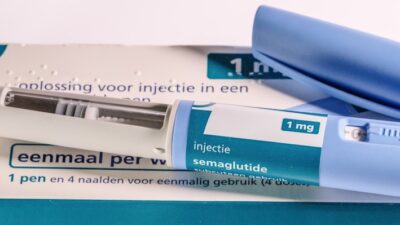
Yes, switching from semaglutide to tirzepatide is common in clinical practice. Most prescribers do this routinely when patients want more weight loss, switch insurance plans, or hit a plateau on semaglutide. The standard protocol is to take your last semaglutide dose on schedule, wait one week, then start tirzepatide at the 2.5 mg starting dose. Tirzepatide titrates from 2.5 mg to 15 mg maintenance over 20 weeks.
Why Switch?
Common reasons to switch from semaglutide to tirzepatide:
- More weight loss potential. SURMOUNT-5 head-to-head trial showed tirzepatide produced 20.2% body weight loss versus 13.7% for semaglutide at 72 weeks. If your semaglutide weight loss has plateaued below your goal, tirzepatide may extend it.
- Insurance changes. Your plan may now cover Mounjaro or Zepbound but not Ozempic or Wegovy, or vice versa.
- Side effect intolerance. Hope tirzepatide tolerates differently. Some patients find one drug better than the other.
- Cost considerations. Manufacturer savings card eligibility, different out-of-pocket math under each plan.
- Plateau on semaglutide. Weight loss stopped, no additional dose to try (already at 2.4 mg maintenance).
- Prescriber preference. Some prescribers favor the dual-agonist approach for certain patients.
Standard Switching Protocol
- Take your final semaglutide dose on its normal scheduled day
- Wait one week (your normal dosing interval)
- On your next scheduled injection day, start tirzepatide at 2.5 mg (the standard starting dose for Mounjaro or Zepbound)
- Continue titrating per the standard tirzepatide schedule:
- Weeks 1-4: 2.5 mg
- Weeks 5-8: 5 mg
- Weeks 9-12: 7.5 mg
- Weeks 13-16: 10 mg
- Weeks 17-20: 12.5 mg
- Weeks 21+: 15 mg maintenance
Some prescribers use a different approach — for example, starting at a higher tirzepatide dose if you were tolerating high-dose semaglutide well. Follow your prescriber’s specific instructions.
What to Expect During Transition
Weight loss may slow or partially reverse initially. The 2.5 mg starting tirzepatide dose has less appetite-suppression effect than the 2.4 mg semaglutide maintenance dose you were on. Most patients see 2-5 lbs of regain over the first 4-8 weeks before weight loss resumes at higher doses.
Side effects return. Each tirzepatide dose escalation produces renewed nausea, similar to when you first started semaglutide. The first 1-2 days after each injection tends to be the worst.
Appetite may return. Reduced GLP-1 activity at the lower starting dose means hunger and food cravings may return more strongly. Eating discipline becomes more important during the transition phase.
Why Tirzepatide Often Works When Semaglutide Plateaus
Tirzepatide adds a second receptor mechanism (GIP) on top of the GLP-1 mechanism that semaglutide uses. If you’ve plateaued on semaglutide, the additional GIP activation can produce renewed weight loss because:
- GIP activation modulates insulin sensitivity differently than GLP-1 alone
- The combined mechanism may overcome adaptation to GLP-1-only signaling
- Higher absolute dose (15 mg vs 2.4 mg) provides more pharmacological “headroom”
About 65% of patients who plateaued on semaglutide saw additional weight loss after switching to tirzepatide in clinical observations.
Insurance and Coverage Considerations
Before switching, verify:
- Your insurance covers the new drug (Mounjaro for diabetes, Zepbound for weight loss)
- Prior authorization requirements are met (often documentation of failed semaglutide trial helps)
- Manufacturer savings card eligibility for your specific plan
- Step therapy rules don’t block coverage
- Pharmacy can obtain the new drug (not all pharmacies stock all formulations)
Your prescriber’s office can help with prior authorization paperwork if needed.
Managing the Transition
- Plan timing carefully. Schedule the switch during a low-stress period when you can manage side effects.
- Stockpile your last semaglutide dose. Make sure you actually complete that dose before the gap.
- Pick up tirzepatide before your next scheduled injection. Pharmacy delays can create a problematic gap.
- Maintain hydration. Especially during dose escalation; reduces risk of acute kidney injury.
- Continue eating discipline. The lower starting dose means weaker appetite suppression.
- Track weight weekly. Expect some regain in weeks 1-8; reassess at week 20 when at maintenance dose.
- Report side effects. If GI symptoms are severe, your prescriber may slow titration.
What If the Switch Doesn’t Work?
If tirzepatide produces worse side effects, less weight loss, or other issues:
- Discuss with your prescriber after 12-16 weeks at maintenance dose (need adequate trial time)
- Consider switching back to semaglutide if insurance allows
- Discuss alternative options (Saxenda/liraglutide, oral agents, bariatric surgery referral if appropriate)
- Address other factors (diet, exercise, sleep, stress)
Dose Equivalent Reference (Approximate)
| Semaglutide Dose (Wegovy) | Approximate Tirzepatide Equivalent |
|---|---|
| 0.25 mg | 2.5 mg (similar starting effect) |
| 0.5 mg | 5 mg |
| 1.0 mg | 7.5 mg |
| 1.7 mg | 10-12.5 mg |
| 2.4 mg (max) | 15 mg (max, but stronger) |
These are approximate based on clinical observation. The molecules are different, so “equivalent” doses are imprecise. At maximum dose, tirzepatide is meaningfully stronger than semaglutide.
The Bottom Line
Switching from semaglutide to tirzepatide is straightforward — stop semaglutide, start tirzepatide at the 2.5 mg starting dose the following week, then titrate up over 20 weeks. Expect some weight regain in the first 8 weeks during titration, then improved weight loss at higher doses. Total maintenance dose typically achieves more weight loss than semaglutide could. Discuss timing, expectations, and insurance with your prescriber before switching. For more on GLP-1 treatment options, see our hub.