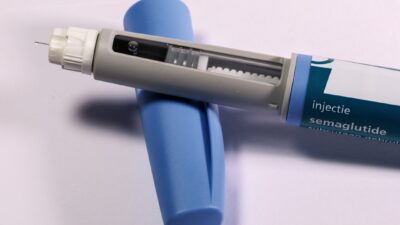
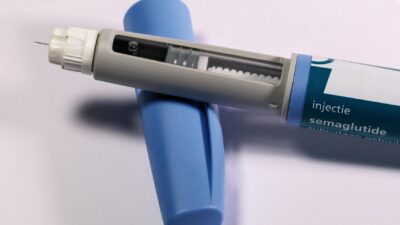
GoodRx Wegovy pages are informational: they list discounted cash prices at participating pharmacies, but GoodRx is not insurance and does not guarantee availability. Wegovy (semaglutide 2.4 mg) is FDA-approved for chronic weight management, carries a high list price, and is typically cheaper through the manufacturer’s savings program if you have commercial insurance that declines coverage.
How GoodRx Works, in Plain English
GoodRx is a third-party pharmacy savings platform. The company aggregates negotiated cash prices from pharmacy benefit managers and displays them alongside digital coupons. When you hand the coupon to a pharmacist, they process the claim through the PBM at the discounted price rather than running it through your insurance. You pay the pharmacy directly.
Because GoodRx is a cash-pay route, it does not count toward your insurance deductible or out-of-pocket maximum. It also cannot be stacked with insurance or most manufacturer savings cards. This guide is informational, not an endorsement of any savings program over another.
What Wegovy Actually Costs
According to publicly posted data from GoodRx and major retail pharmacies, the list price for a 28-day supply of Wegovy hovers around 1,349 dollars before any discounts. Coupon-adjusted cash prices typically land a few hundred dollars below list, and the Novo Nordisk WegovySavings card can reduce out-of-pocket cost to as low as 0 to 650 dollars per month for eligible commercially insured patients.
| Payment Route | Typical Monthly Cost | Notes |
|---|---|---|
| List price (cash, no coupon) | ~1,349 dollars | Set by manufacturer; varies slightly by pharmacy |
| GoodRx coupon | ~1,300 to 1,450 dollars | Varies by pharmacy and ZIP code |
| Manufacturer savings card (covered) | As low as 0 dollars | Requires commercial insurance that covers Wegovy |
| Manufacturer savings card (not covered) | ~650 dollars | For commercially insured whose plan excludes Wegovy |
| Medicare/Medicaid | Varies | Not eligible for manufacturer savings programs |
Prices change frequently. Always verify the current cost at your local pharmacy before making a decision, and confirm directly with your insurer what, if anything, your plan covers.
Clinical Overview of Wegovy
Wegovy is semaglutide, a once-weekly injectable GLP-1 receptor agonist. The FDA approved it in 2021 for chronic weight management in adults with a BMI of 30 or higher, or 27 or higher with at least one weight-related condition. In 2022, the indication was expanded to adolescents 12 and older who meet specific BMI criteria.
In the STEP 1 trial published in The New England Journal of Medicine, participants on the 2.4 mg dose lost an average of 14.9 percent of body weight over 68 weeks, versus 2.4 percent with placebo. Results varied widely by individual, and weight regain is common after discontinuation. For context on how weight management fits into earlier glucose dysregulation, see our treatment overview and guidance on reversing prediabetes.
Side Effects and Safety Considerations
The most common adverse events are gastrointestinal — nausea, diarrhea, vomiting, constipation, and abdominal pain — and most improve as the dose is titrated. The FDA prescribing information includes a boxed warning for thyroid C-cell tumors based on rodent data; a personal or family history of medullary thyroid carcinoma is a contraindication. Pancreatitis, gallbladder disease, kidney injury, and diabetic retinopathy complications are labeled risks. Wegovy is not recommended in pregnancy.
Practical Steps Before Filling
- Ask your prescriber for a signed prior authorization packet if you plan to use insurance.
- Check the WegovySavings website to confirm eligibility and print the card.
- Price-check two or three pharmacies — chains and independents often differ by 50 dollars or more.
- Ask the pharmacist to run both insurance and GoodRx and pick the lower price.
- Discuss lifestyle foundations like nutrition that multiply any medication’s effect.
How Coverage Decisions Usually Work
Insurance plans vary widely in whether they cover Wegovy. Commercial plans increasingly cover it with prior authorization requirements — typically a documented BMI above thresholds, evidence of prior weight-loss attempts, and sometimes a trial of lifestyle intervention. Medicare historically excluded drugs used for weight loss; recent policy discussions have focused on potential expansion for patients with obesity plus cardiovascular disease. Medicaid coverage is state-by-state. Self-funded employer plans often exclude anti-obesity medications entirely, which is where savings cards and GoodRx become most relevant.
The Bottom Line
GoodRx Wegovy pricing is one of several paths to lower what you pay for semaglutide, but it is not insurance and usually not the cheapest route when manufacturer savings cards and insurance coverage are available. Use this article as a framework, price-check locally, and let your prescriber and pharmacist tailor the financial strategy to your plan. Clinical decisions — whether to start, continue, or stop Wegovy — belong with your clinical team.