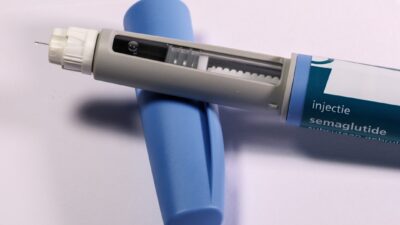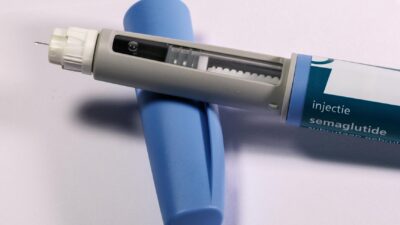
Compounded tirzepatide dosage is typically expressed in milligrams per weekly injection, matching the branded dose ladder of 2.5, 5, 7.5, 10, 12.5, and 15 mg. Because compounded products are dispensed in multi-dose vials with varying concentrations, the volume you draw depends on your specific pharmacy’s formulation — no universal chart is safe to rely on. Your prescriber and pharmacist direct the actual dose.
What Compounded Tirzepatide Is
Compounded tirzepatide is a non-FDA-approved preparation of the same active molecule found in Mounjaro and Zepbound. It is made by licensed compounding pharmacies under section 503A (patient-specific) or 503B (outsourcing facility) of the Federal Food, Drug, and Cosmetic Act. Unlike branded tirzepatide, compounded versions are not subject to the FDA’s premarket approval process and do not carry the same quality guarantees.
Many patients encountered compounded tirzepatide during the 2023 and 2024 shortages. For broader context on where GLP-1-based therapies sit in the treatment spectrum, see our hub — and for a primer on whether early glucose changes can be addressed without medication, our page on reversing prediabetes.
How Dose Is Expressed in Compounded Products
A prescriber usually writes a milligram dose; the pharmacy then labels a vial with both the milligram dose and the corresponding draw volume in mL or insulin syringe units. The volume differs depending on the concentration.
| Concentration | 5 mg Dose Volume | 10 mg Dose Volume | 15 mg Dose Volume |
|---|---|---|---|
| 5 mg per mL | 1.00 mL (100 units) | 2.00 mL (not practical) | 3.00 mL (not practical) |
| 10 mg per mL | 0.50 mL (50 units) | 1.00 mL (100 units) | 1.50 mL (not practical) |
| 20 mg per mL | 0.25 mL (25 units) | 0.50 mL (50 units) | 0.75 mL (75 units) |
| 40 mg per mL | 0.125 mL (~12 units) | 0.25 mL (25 units) | 0.375 mL (~38 units) |
The table is a clinical reference framework only. Use the draw volume specified on your pharmacy’s label — not this chart — for any actual dose.
Titration Schedule Generally Used
Most prescribers mirror the FDA-approved branded titration schedule: four weeks at each dose before escalating, only if tolerated. Starting at 2.5 mg minimizes gastrointestinal side effects. Some compounding pharmacies offer intermediate strengths (such as 3.5 mg or 6 mg) that do not exist for branded products; whether these are clinically advantageous is debated and should be evaluated individually.
FDA Safety Concerns Worth Knowing
The FDA’s public advisories on compounded GLP-1 medications document three recurring issues:
- Dosing errors involving insulin syringes and unit-versus-mL confusion, occasionally 5- to 10-fold above intended dose.
- Use of salt forms of tirzepatide or semaglutide that are not approved and whose pharmacokinetics have not been established.
- Sterility failures in compounded injectable products from facilities with lapses in good compounding practice.
Questions to Ask Before Starting
- Is the pharmacy licensed in my state, and does it publish third-party potency and sterility testing?
- What is the exact concentration of my vial, and what volume corresponds to each milligram dose on the label?
- What should I do for missed or late doses?
- What symptoms warrant an urgent call versus a routine follow-up?
- How does this plan integrate with my nutrition strategy and A1C goals?
Monitoring and Labs
Ongoing monitoring with compounded products typically mirrors branded tirzepatide: baseline and periodic A1C (for type 2 diabetes patients), renal function, and review of symptoms suggesting pancreatitis or gallbladder disease. Because compounded products lack the manufacturer’s post-market surveillance infrastructure, clinicians often schedule more frequent check-ins.
Shortage Status and Legal Context
The legal basis for compounded tirzepatide narrowed when the FDA declared the branded shortage resolved. Under federal law, 503A compounding pharmacies may generally prepare non-FDA-approved copies only when a drug is on the shortage list or when a specific clinical need cannot be met by the approved product. Patients currently using compounded tirzepatide should ask their prescriber and pharmacy about the transition plan if branded coverage or self-pay options are available. Continuing on a compounded product after the legal window closes exposes both patient and provider to additional risk.
The Bottom Line
Compounded tirzepatide dosage looks similar to branded tirzepatide on paper, but the variability in vial concentration, excipients, and quality control makes pharmacy- and patient-specific instructions essential. Treat any online conversion chart — including this one — as a clinical reference framework, not a dosing recommendation. Your prescriber and pharmacist are the only parties positioned to set, adjust, and monitor your actual dose safely.