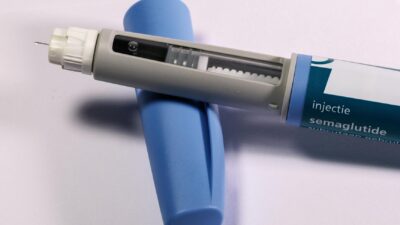
How does tirzepatide work for weight loss? Tirzepatide activates both GLP-1 and GIP receptors, which slows gastric emptying, increases satiety, and reduces appetite signaling in the brain. Over time, these effects lower food intake and support meaningful weight loss, especially when combined with lifestyle changes and clinician-guided dose titration.
What Tirzepatide Is
Tirzepatide is a once-weekly subcutaneous injection that targets two incretin hormone pathways at once: GLP-1 (glucagon-like peptide-1) and GIP (glucose-dependent insulinotropic polypeptide). Incretins are gut hormones released in response to food that help regulate blood glucose and appetite. Tirzepatide is FDA-approved under two brand names (Mounjaro for type 2 diabetes and Zepbound for chronic weight management), with specific eligibility criteria tied to each indication.
For broader context on medication-based strategies, see our treatment hub.
Three Main Mechanisms for Weight Loss
1. Appetite and Satiety Signaling
GLP-1 receptors in the brain, particularly in regions such as the hypothalamus, influence hunger and fullness. Activating these receptors tends to reduce appetite and food-seeking behavior. GIP signaling also interacts with central pathways involved in energy balance. Together, tirzepatide lowers hunger signals and helps people feel satisfied with less food.
2. Slower Gastric Emptying
Tirzepatide slows the rate at which food leaves the stomach. That means you feel full sooner during a meal and stay full longer afterward. Slower gastric emptying also blunts the rapid glucose rise seen after meals, which supports glycemic control in type 2 diabetes.
3. Glucose-Dependent Insulin Effects
Incretin hormones encourage insulin release when blood sugar is elevated, while reducing glucagon secretion. This improves post-meal glucose control and supports better metabolic function. Improved glucose metabolism may contribute to healthier energy balance over time, although weight loss itself is driven primarily by reduced food intake.
Summary of Effects
| Mechanism | Biological Target | Practical Effect |
|---|---|---|
| Appetite regulation | Brain hunger/satiety centers | Less hunger between meals |
| Gastric emptying | Stomach motility | Feel full sooner, stay full longer |
| Insulin response | Pancreatic beta cells | Better post-meal glucose control |
| Glucagon suppression | Pancreatic alpha cells | Reduced hepatic glucose output |
What the Trials Show
In SURMOUNT-1, adults with obesity who took tirzepatide lost substantially more weight than those on placebo over 72 weeks. At the highest dose, average weight loss was approximately 20% or more of body weight, though results varied among participants. Associated improvements were seen in cardiometabolic markers such as blood pressure, waist circumference, and lipid parameters.
For diabetes-focused studies, tirzepatide has shown meaningful HbA1c reductions and weight loss across the SURPASS program. Both indications share the same underlying mechanism.
Typical Titration Schedule
To minimize gastrointestinal side effects, tirzepatide is started at a low dose and increased gradually every several weeks, based on tolerance and response. Target doses depend on indication and individual tolerance. Specific doses and schedules come from your prescriber and the product labeling. Self-escalation is unsafe.
Lifestyle Still Matters
Medication works best as part of a plan that includes nutrition, movement, sleep, and stress management. Tirzepatide reduces hunger but does not automatically improve food quality. People who pair the medication with higher-protein, fiber-rich eating, regular physical activity, and adequate sleep often see more durable results.
Our diet and nutrition hub outlines food patterns that pair well with pharmacologic therapy, and is prediabetes reversible summarizes evidence-based habits for cardiometabolic health.
Side Effects and Safety
Common side effects include nausea, vomiting, diarrhea, constipation, and abdominal pain, largely tied to gut motility effects. These are usually mild to moderate and improve with time and careful titration. Less common but more serious concerns include pancreatitis, gallbladder disease, hypoglycemia when combined with insulin or sulfonylureas, and boxed warnings related to thyroid C-cell tumors based on rodent studies. Rare allergic reactions can occur.
Tell your clinician about severe or persistent abdominal pain, ongoing vomiting, signs of dehydration, yellowing of the skin, or symptoms of allergic reaction. Do not self-adjust doses.
Who Is a Candidate?
For chronic weight management, tirzepatide is indicated in adults who meet specific body mass index criteria, often with at least one weight-related condition. For type 2 diabetes, eligibility differs. A licensed clinician evaluates medical history, including contraindications (for example, personal or family history of medullary thyroid cancer or MEN2, prior pancreatitis, pregnancy plans), before prescribing.
Maintenance and Long-Term Use
Obesity is a chronic condition, and most people who stop tirzepatide regain weight over time, similar to other chronic disease medications. Long-term planning with your clinician is important. If cost, side effects, or life changes require stopping, a gradual transition plan supported by lifestyle strategies gives the best chance of preserving progress.
The Bottom Line
Tirzepatide supports weight loss through dual GLP-1 and GIP receptor activation, reducing appetite, slowing gastric emptying, and improving glucose regulation. Trials show substantial average weight loss over 72 weeks, though individual results vary. Lifestyle support, careful titration, and close follow-up with a licensed clinician are essential for safe and sustained outcomes.
Medical disclaimer: This article is educational and does not replace medical advice. Decisions about tirzepatide belong with a licensed clinician familiar with your full medical history.