An islet cell transplant infuses donor pancreatic islets into the liver via the hepatic portal vein to restore endogenous insulin secretion in type 1 diabetes with severe hypoglycemia. Donislecel (Lantidra) is FDA approved as of 2023. About 50 to 70 percent of recipients achieve insulin independence at 1 year. Lifelong immunosuppression is required, which is why the procedure is reserved for severe hypoglycemia rather than routine T1D.
What an Islet Cell Transplant Is
Pancreatic islets — also called islets of Langerhans — are clusters of endocrine cells scattered throughout the pancreas. Each islet contains several cell types:
- Beta cells (insulin)
- Alpha cells (glucagon)
- Delta cells (somatostatin)
- PP cells (pancreatic polypeptide)
- Epsilon cells (ghrelin)
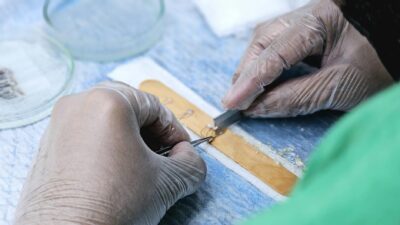
In an islet transplant, islets are isolated from a deceased donor pancreas through enzymatic digestion and purification, then infused into the recipient’s portal vein. The islets settle in the liver’s sinusoidal capillaries and engraft over the following weeks, where they secrete insulin in response to glucose.
The Edmonton Protocol and Modern Practice
The modern era of islet transplantation began with the Edmonton Protocol (Shapiro et al., NEJM 2000) — a steroid-free immunosuppression regimen that produced sustained insulin independence in initial recipients. International multi-center trials confirmed the approach in the 2000s.
Current practice has evolved with:
- Refined islet isolation techniques (collagenase digestion, purification gradients)
- Updated immunosuppression with calcineurin inhibitors, mTOR inhibitors, antimetabolites, and biologic induction
- Imaging-guided portal vein infusion
- Single- or multiple-donor approaches based on islet equivalents per kg recipient weight
FDA Approval of Lantidra (Donislecel)
In June 2023, the FDA approved donislecel (Lantidra), marketed by CellTrans, as the first allogeneic pancreatic islet cellular therapy for type 1 diabetes with severe hypoglycemia. Key label points:
- Indicated for adults with T1D unable to achieve hypoglycemia awareness or target A1C despite intensive insulin and glucose monitoring
- Manufactured from deceased donor pancreas
- Administered via percutaneous transhepatic portal vein infusion
- Lifelong immunosuppression required
- Boxed warning regarding immunosuppression risks
The Procedure
| Step | Description |
|---|---|
| Donor pancreas procurement | From a deceased donor; cold preservation, rapid transport |
| Islet isolation | Enzymatic digestion, density gradient purification in a specialized lab |
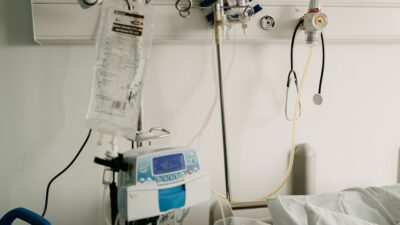
| Recipient prep | Hospital admission, immunosuppression induction, IV access |
| Portal access | Interventional radiology places a catheter percutaneously into the portal vein |
| Infusion | Islets slowly infused into the portal vein over 30 to 60 minutes |
| Engraftment | Islets settle in liver sinusoids over 2 to 8 weeks; insulin needs drop progressively |
| Repeat infusions | Some recipients require 2 or 3 infusions over months to reach sufficient islet mass |
Who Qualifies
- Adults with type 1 diabetes (typically over 5 years duration)
- Recurrent severe hypoglycemia (episodes requiring outside assistance)
- Hypoglycemia unawareness — loss of warning symptoms
- Glycemic instability despite optimized insulin therapy, CGM, and education
- Adequate kidney function (some centers require eGFR above 60-80)
- Ability to tolerate lifelong immunosuppression
- No active infection, cancer, or contraindications to immunosuppression
Outcomes
| Outcome | 1 year | 5 years |
|---|---|---|
| Insulin independence | ~50-70% | ~25-50% |
| Significant C-peptide production | ~85-95% | ~60-75% |
| Freedom from severe hypoglycemia | ~80-90% | ~70-85% |
| A1C below 7.0% | Common | Common |
Even when full insulin independence wanes over time, residual graft function often maintains hypoglycemia awareness and reduces severe events — a meaningful quality-of-life benefit for patients with previously dangerous hypoglycemia.
Immunosuppression and Its Burden
Recipients require lifelong combination immunosuppression to prevent rejection and recurrent autoimmunity. A typical regimen includes:
- Tacrolimus (calcineurin inhibitor)
- Sirolimus or mycophenolate (antiproliferative)
- Biologic induction at the time of transplant (anti-thymocyte globulin, basiliximab, or alemtuzumab)
- Sometimes anti-TNF or anti-IL-1 agents to reduce instant blood-mediated inflammatory reaction
Immunosuppression side effects include:
- Infection risk (bacterial, viral, fungal)
- Malignancy — especially skin cancers and lymphoma over years
- Kidney injury — tacrolimus is nephrotoxic
- Hypertension
- Hyperlipidemia
- Anemia, leukopenia
- Mouth ulcers, edema (sirolimus)
- GI symptoms (mycophenolate)
- Drug interactions requiring careful management
Procedural Risks
- Portal vein thrombosis (rare with modern technique)
- Bleeding from liver puncture site
- Transient elevation of liver enzymes
- Hepatic steatosis (fatty liver) in graft area
- Sensitization to HLA antigens (relevant for future transplants)
Islet Transplant Versus Pancreas Transplant
| Feature | Islet transplant | Pancreas transplant |
|---|---|---|
| Procedure | Catheter infusion via portal vein | Open abdominal surgery |
| Hospital stay | 2-5 days | 1-2 weeks |
| Insulin independence at 1 year | ~50-70% | ~80-90% (SPK) |
| Surgical risk | Low | Higher |
| Immunosuppression | Lifelong | Lifelong |
| Donor organs needed | 1-3 donors per recipient | 1 donor |
See the separate pancreas transplant page for more detail.
Cost and Access
Approximate US costs for an islet cell transplant procedure run $300,000 to $500,000 for the initial transplant and first-year care, with significant additional costs for ongoing immunosuppression and monitoring. Insurance coverage has been increasing since the 2023 FDA approval of Lantidra, but specific coverage is highly center- and payer-dependent. Some centers participate in clinical trials or have philanthropic support to reduce out-of-pocket costs.
Where Islet Transplant Fits in T1D Care
Islet transplant is one of several T1D treatments now beyond insulin alone. Related approaches include teplizumab (autoimmune modulation in Stage 2), verapamil (beta-cell preservation in new-onset T1D), pancreas transplant, and stem cell therapy. For overall T1D context, see our treatment overview and complications and related conditions.
Open Questions
- Long-term durability of islet function beyond 10 years
- Whether immunoprotected (encapsulated) islets can eliminate the need for systemic immunosuppression
- How stem cell-derived islets (Vertex VX-880 and others) compare with cadaveric islets
- Optimal immunosuppression regimens minimizing toxicity
- Cost-effectiveness in broader T1D populations
What to Discuss with a Clinician
- Frequency of severe hypoglycemia and hypoglycemia unawareness
- Trials of CGM, pump therapy, and hybrid closed-loop systems first
- Kidney function and overall health for immunosuppression tolerance
- Trade-offs between procedural risk, immunosuppression burden, and quality of life
- Whether a transplant center evaluation is appropriate
- Stem cell therapy clinical trials as an alternative emerging option
The Bottom Line
An islet cell transplant infuses donor pancreatic islets into the liver to restore endogenous insulin secretion in type 1 diabetes with severe hypoglycemia. Donislecel (Lantidra) became the first FDA-approved cellular therapy for T1D in 2023. About 50 to 70 percent of recipients are insulin independent at 1 year, with declining rates over time — but freedom from severe hypoglycemia is generally durable. Lifelong immunosuppression is the trade-off, with infection, kidney, and malignancy risks. The procedure is reserved for T1D with severe hypoglycemia, not routine cases. Talk to a transplant center if hypoglycemia remains uncontrolled despite optimized insulin and CGM use.