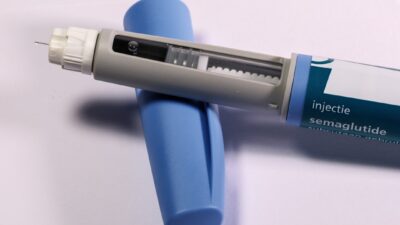
Liraglutide and semaglutide are both GLP-1 receptor agonists used to treat type 2 diabetes and, in higher doses, chronic weight management. The two biggest practical differences are dosing frequency (liraglutide is daily, semaglutide is weekly) and effect size (semaglutide produces larger A1C reductions and more weight loss at standard doses). Both drugs share an essentially identical side-effect profile and the same boxed warnings.
What Each Drug Is
Both are GLP-1 receptor agonists — synthetic peptides that mimic glucagon-like peptide-1, a hormone your gut releases after eating. The hormone tells your pancreas to release insulin, slows stomach emptying, and signals fullness to the brain. Both ultimately do the same thing but at different speeds and with different durations of action.
Liraglutide is a once-daily subcutaneous injection. It is sold under two US brand names:
- Victoza — for type 2 diabetes, doses 0.6 mg, 1.2 mg, 1.8 mg daily
- Saxenda — for chronic weight management, doses 0.6, 1.2, 1.8, 2.4, 3.0 mg daily
Generic liraglutide became available in 2024 after Novo Nordisk’s exclusivity expired in several markets.
Semaglutide is a once-weekly subcutaneous injection (or daily oral tablet). It is sold under three US brand names:
- Ozempic — for type 2 diabetes, doses 0.25, 0.5, 1, 2 mg weekly
- Wegovy — for chronic weight management, doses 0.25, 0.5, 1, 1.7, 2.4 mg weekly
- Rybelsus — daily oral tablet for type 2 diabetes, doses 3, 7, 14 mg daily
Semaglutide is still brand-only as of 2026; no generic exists.
Head-to-Head Trial Data
The SUSTAIN-10 trial directly compared semaglutide 1 mg weekly versus liraglutide 1.2 mg daily in adults with type 2 diabetes over 30 weeks. Semaglutide outperformed liraglutide on both A1C reduction (-1.7% vs -1.0%) and body weight reduction (-5.8 kg vs -1.9 kg). Discontinuation rates from side effects were similar.
For weight loss specifically, indirect comparisons from separate trials (STEP for semaglutide, SCALE for liraglutide) suggest semaglutide produces about twice the average weight loss of liraglutide at maximum doses (~15% vs ~7-8% body weight reduction).
| Outcome | Semaglutide (weekly) | Liraglutide (daily) |
|---|---|---|
| A1C reduction (SUSTAIN-10, 30 wk) | -1.7% | -1.0% |
| Weight loss (SUSTAIN-10, 30 wk) | -5.8 kg | -1.9 kg |
| Weight loss (STEP-1 vs SCALE) | ~15% body weight | ~7-8% body weight |
Dosing Schedules
Both drugs use slow titration to minimize gastrointestinal side effects.
Liraglutide for weight loss (Saxenda): starts at 0.6 mg daily for one week, increases by 0.6 mg weekly to a maximum of 3.0 mg daily. Total titration period: 5 weeks.
Semaglutide for weight loss (Wegovy): starts at 0.25 mg weekly for 4 weeks, increases monthly to a maximum of 2.4 mg weekly. Total titration period: 16 weeks.
Liraglutide’s daily dosing allows faster identification and adjustment of side effects (you know within hours whether you tolerated the dose). Semaglutide’s weekly dosing means side effects tend to cluster in the day or two after injection and ease as the week progresses.
Side Effects
Both share the same side-effect profile because both work through the same GLP-1 mechanism. The most common are gastrointestinal:
- Nausea (20-30% of users)
- Diarrhea (12-22%)
- Constipation (11-17%)
- Vomiting (6-15%)
Both carry the same FDA boxed warning about thyroid C-cell tumors based on rodent studies. Both should be avoided in patients with personal or family history of medullary thyroid carcinoma or multiple endocrine neoplasia syndrome type 2. Pancreatitis is a rare but serious risk for both.
Cost
Liraglutide is now generic in some markets, making it the cheaper option:
| Drug | Indication | Approximate List Price (per month) |
|---|---|---|
| Generic liraglutide | Type 2 diabetes | $300-$500 |
| Victoza (brand liraglutide) | Type 2 diabetes | ~$700 |
| Saxenda (brand liraglutide) | Weight loss | ~$1,350 |
| Ozempic (brand semaglutide) | Type 2 diabetes | ~$968 |
| Wegovy (brand semaglutide) | Weight loss | ~$1,349 |
Generic liraglutide for weight loss (generic Saxenda) is expected to enter the US market over the coming years as more competitors arrive. Insurance coverage rules apply differently to each — confirm with your plan.
Which Should You Choose?
Semaglutide produces more weight loss and larger A1C reduction at standard doses, with the convenience of weekly dosing. Liraglutide is cheaper (especially as a generic), allows faster dose adjustment, and has a longer post-market safety record. If cost is the primary concern, generic liraglutide is often the better choice. If maximum efficacy is the priority and cost is manageable, semaglutide usually wins. Discuss the trade-offs with your prescriber. For more on diabetes treatment options, consult our hub.
The Bottom Line
Semaglutide and liraglutide are both GLP-1 receptor agonists with similar side-effect profiles and similar warnings. Semaglutide is more potent on average and dosed weekly; liraglutide is cheaper (now generic in some markets) and dosed daily. The choice depends on your A1C goal, weight goal, insurance, cost, and tolerance for daily versus weekly injection. Both require slow titration to minimize gastrointestinal side effects. Consult your prescriber to determine which fits your situation.