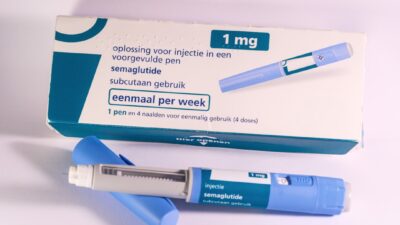
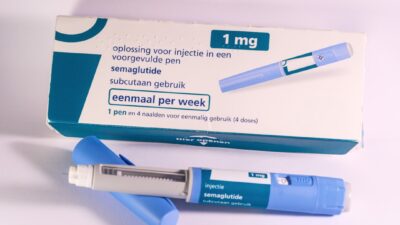
Oral semaglutide, sold as Rybelsus, is the first glucagon-like peptide-1 (GLP-1) receptor agonist available as a pill instead of an injection. It is approved by the U.S. Food and Drug Administration to improve blood sugar in adults with type 2 diabetes when paired with diet and exercise. The tablet works the same way as injectable semaglutide but demands careful timing to be absorbed properly.
How the Tablet Delivers a Peptide
Peptide drugs like semaglutide are normally destroyed by stomach acid and digestive enzymes, which is why almost all GLP-1 drugs are injected. Rybelsus pairs semaglutide with sodium N-(8-(2-hydroxybenzoyl)amino)caprylate (SNAC), an absorption enhancer that locally raises pH around the tablet and helps the peptide cross the gastric lining intact. Even so, the absolute bioavailability is about 1 percent, which is why dose strengths differ from the injection.
For a primer on how the underlying molecule works, see our guide to prediabetes treatment options.
FDA-Approved Dose Strengths
Rybelsus is available in three strengths, and prescribers titrate gradually to limit nausea. Your clinician chooses the maintenance dose based on glycemic response and tolerability.
| Strength | Typical Use | Purpose |
|---|---|---|
| 3 mg | First 30 days | Starting dose, not for glucose control |
| 7 mg | After initial month | First maintenance dose |
| 14 mg | After at least 30 days at 7 mg | Higher maintenance dose if A1C goal not met |
How to Take It Correctly
The label includes unusually specific instructions because absorption is fragile. Skipping any step can cut the drug’s effect dramatically.
- Take on an empty stomach as soon as you wake up.
- Swallow whole with no more than 4 ounces of plain water.
- Wait at least 30 minutes before any food, other drinks, or medications.
- Do not split, crush, or chew the tablet.
Benefits from Clinical Trials
In the PIONEER trial program, 14 mg of oral semaglutide reduced A1C by about 1.0 to 1.4 percentage points and produced 3 to 5 kg of weight loss over 26 to 52 weeks, according to data published in the New England Journal of Medicine. PIONEER 6 also suggested cardiovascular safety in adults with high baseline risk. Many participants moved their A1C closer to the non-diabetic range when the drug was added to metformin.
Side Effects and Safety
Side effects overlap with injectable semaglutide because the molecule is identical.
- Common: nausea, abdominal pain, diarrhea, vomiting, constipation, decreased appetite
- Less common: fatigue, dyspepsia, gastritis, gallbladder disease
- Serious: pancreatitis, acute kidney injury from dehydration, diabetic retinopathy complications, severe allergic reactions
- Boxed warning: thyroid C-cell tumors in rodents; contraindicated with personal or family history of medullary thyroid carcinoma or multiple endocrine neoplasia type 2
According to the FDA approval announcement, patients should be monitored for volume depletion, especially if vomiting or diarrhea is prolonged.
Who Might Choose the Pill vs the Injection
Needle aversion, travel convenience, and insurance coverage often tip patients toward Rybelsus. Downsides include the strict fasting window and lower average weight loss compared with injectable semaglutide at maximum doses. For people focused on glycemic control who also want to explore lifestyle approaches, reviewing diet and nutrition strategies alongside medication is worthwhile.
Drug Interactions to Watch
Because Rybelsus slows gastric emptying and requires fasting absorption, it can affect other oral medications. Thyroid hormone replacement levothyroxine may be absorbed more strongly when taken with semaglutide, requiring level checks. Warfarin, oral contraceptives, and diabetes drugs like insulin or sulfonylureas all warrant review. Tell every prescriber and pharmacist that you take Rybelsus so timing and monitoring can be adjusted appropriately.
What to Do About Common Side Effects
- Nausea: eat smaller, low-fat meals and avoid lying down right after breakfast
- Constipation: increase fiber and fluids gradually; ask your clinician about stool softeners
- Diarrhea: stay hydrated with water and electrolytes
- Dyspepsia: avoid spicy foods, caffeine, and alcohol during titration
- Fatigue: prioritize sleep and review blood sugar trends
Storage and Handling
Rybelsus tablets are stored at room temperature in their original packaging until use. Keep them away from moisture and heat. Do not remove tablets from the blister until you are ready to take them, because the absorption enhancer is moisture-sensitive. If tablets look damaged or discolored, do not use them; call the pharmacy.
The Bottom Line
Oral semaglutide is a practical option for adults with type 2 diabetes who prefer a daily pill to weekly injections, but it only works if you follow the empty-stomach rules precisely. It delivers real A1C and modest weight reductions with a side-effect profile similar to injectable semaglutide. It is not FDA-approved for weight loss alone. Your clinician is the right person to weigh oral semaglutide against injectables and other options. This article is educational and is not a substitute for professional medical advice.