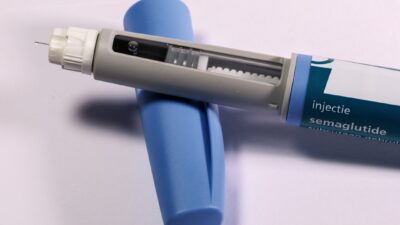
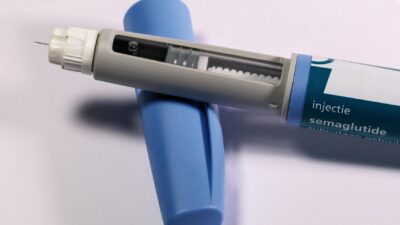
Tirzepatide dosage in units only becomes relevant when patients use compounded vials and draw each dose with an insulin syringe. Because unit markings on the syringe measure volume, not drug quantity, the number of units for any given milligram dose depends entirely on the vial’s concentration. FDA-approved Mounjaro and Zepbound are labeled in milligrams because they come as prefilled single-dose pens.
Why Units Come Up at All
Insulin syringes are marked in units because insulin is standardized at 100 units per mL (U-100). Each tick on the syringe represents 0.01 mL. When compounding pharmacies dispense tirzepatide as a multi-dose vial, patients typically receive an insulin syringe to draw each weekly dose, so the conversation shifts from milligrams to units out of practical necessity.
Branded products avoid this complexity. Mounjaro and Zepbound are sold in auto-injectors that deliver a preset milligram dose. There are no syringes, no measuring, and no conversion math. If you want context on where tirzepatide fits in the broader treatment landscape, our hub covers first-line options and how pharmacotherapy layers on top of lifestyle change.
How Concentration Drives the Unit Count
The key number is concentration: how many milligrams of tirzepatide are in each mL of liquid. Compounded vials commonly come in 5 mg/mL, 10 mg/mL, and 20 mg/mL strengths, among others. Because unit markings are a volume scale, a given milligram dose translates to fewer units in a more concentrated vial.
| Vial Concentration | 2.5 mg Dose Volume | Approximate Units (U-100) |
|---|---|---|
| 5 mg per mL | 0.50 mL | 50 units |
| 10 mg per mL | 0.25 mL | 25 units |
| 20 mg per mL | 0.125 mL | ~12 to 13 units |
| 40 mg per mL | 0.0625 mL | ~6 to 7 units |
The above is a clinical reference framework, not a personalized instruction. Different pharmacies reconstitute differently — particularly when a powdered product is diluted with bacteriostatic water — so the actual concentration in your specific vial must be confirmed by the dispensing pharmacist.
Where Errors Happen
Most dosing mistakes with compounded tirzepatide trace back to two issues: confusing the vial strength with the delivered dose, or assuming an online conversion chart matches the specific product in hand. Published case reports in 2023 and 2024 described hospitalizations tied to unintended 10-fold overdoses when patients read unit marks incorrectly.
These events illustrate why the FDA has publicly cautioned about compounded GLP-1 medications, especially during shortages. See the agency’s compounding Q&A for official guidance. Branded products are manufactured under full FDA oversight; compounded products are not subject to the same premarket review.
FDA-Approved Dose Structure for Reference
The prescribing information for Mounjaro and Zepbound lists six dose levels, each delivered by a different-colored pen:
- 2.5 mg — starting dose for the first four weeks, not intended to be therapeutic.
- 5 mg — first maintenance-level dose after initial titration.
- 7.5 mg — optional step-up if glycemic or weight goals are not yet met.
- 10 mg — common maintenance target for many adults.
- 12.5 mg — additional step for continued benefit.
- 15 mg — maximum labeled dose.
Escalations occur no sooner than every four weeks. For how dose-dependent glycemic changes may relate to A1C levels, see our detailed guide.
Questions to Bring to Your Clinician
- What is the exact concentration of the vial you are prescribing?
- How many units on my insulin syringe equal my current dose?
- How should I adjust if a dose is missed or delayed?
- What symptoms mean I should call you rather than continue?
- How will we monitor progress, including nutrition support?
Practical Safety Habits
Because the unit-to-mg relationship is pharmacy-specific, small habits reduce the chance of a medication error. Keep the original label on the vial and do not transfer contents. Write your assigned unit count directly on the vial with a permanent marker. Use the same brand of insulin syringe every week so the markings feel familiar. Photograph the vial and dose instructions the day you pick up the prescription, so you have a backup reference if the label becomes smudged. Keep the pharmacy’s phone number saved in your contacts, because clinical pharmacists are usually the fastest route to a dosing question outside of appointments.
The Bottom Line
Tirzepatide dosage in units is a volume measurement, not a drug measurement. Unit counts only make sense in the context of a specific vial’s concentration, and the safest way to translate between milligrams and units is to have your prescriber and pharmacist confirm the exact number for your product. This article is a reference framework; any decision about starting, titrating, or adjusting tirzepatide belongs to your clinical team.