Tirzepatide hair loss is something some users notice during treatment, but current evidence suggests it is usually an indirect effect of rapid weight loss rather than a direct toxicity of the medication. The most common pattern is telogen effluvium, a temporary shedding that tends to resolve over several months, especially when nutrition and weight-loss pacing are optimized.
Why People Worry About Tirzepatide Hair Loss
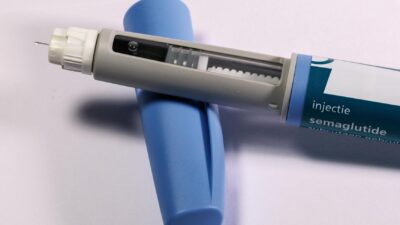
Tirzepatide is marketed as Mounjaro for type 2 diabetes and Zepbound for chronic weight management. Both activate GLP-1 and GIP receptors, which reduce appetite and slow gastric emptying, leading to significant weight loss in many users. That weight loss is exactly what makes the medication popular, but it can also create stress on the body that occasionally shows up as hair shedding.
In the SURMOUNT clinical trials that supported Zepbound’s approval, alopecia (hair loss) was reported more often in participants receiving tirzepatide than in those receiving placebo, particularly at higher doses. The difference is not huge, but it is real and worth discussing openly with anyone considering the medication.
How Telogen Effluvium Works
Most tirzepatide-associated hair loss fits the description of telogen effluvium. In simple terms, hair follicles cycle through growth, rest, and shedding phases. Physical stress on the body (such as surgery, major illness, childbirth, or rapid weight loss) can push a larger-than-normal share of follicles into the resting phase simultaneously. Two to four months later, those hairs fall out together, making shedding noticeable.
Key features of telogen effluvium:
- Diffuse thinning across the whole scalp rather than bald patches.
- Increased shedding in the shower, on pillows, or when brushing.
- A delay of several months between the trigger and the shedding.
- Gradual, complete or near-complete regrowth once the trigger resolves.
This pattern is well known after bariatric surgery and any form of rapid weight loss, not just GLP-1 medications.
Clinical Trial Data at a Glance
| Study Group | Alopecia Reported | Context |
|---|---|---|
| Tirzepatide higher doses (SURMOUNT-1) | Several percent of participants | Adults with obesity, weight loss up to about 21 percent |
| Placebo (SURMOUNT-1) | Around 1 percent | Diet and lifestyle advice only |
| Semaglutide comparison trials | Similar pattern | Reinforces the weight-loss driver hypothesis |
| Post-marketing reports | Mixed real-world reports | Underreporting and selection bias possible |
The exact percentages vary by trial and dose, but the theme is consistent: alopecia is more common on tirzepatide than on placebo, aligned with the degree of weight loss.
Other Possible Contributors
Even if tirzepatide plays a role, it is rarely the only factor. When someone develops hair loss during treatment, clinicians usually look at the bigger picture:
- Under-eating: GLP-1 medications reduce appetite dramatically, and some people drop below healthy protein or calorie levels.
- Iron deficiency: Common in women of reproductive age and a well-known hair-loss trigger.
- Thyroid disease: Both hypothyroidism and hyperthyroidism can cause shedding.
- Vitamin D, zinc, and biotin status: Suboptimal levels can contribute.
- Hormonal shifts: Postpartum, menopause, or changes in birth control can coincide with weight-loss therapy.
- Genetic pattern hair loss: Androgenetic alopecia may be unmasked or accelerated by a triggering event.
Because many of these interact, hair loss is usually a puzzle rather than a single-cause problem. Addressing nutrition quality is often a high-yield first step.
Strategies to Reduce Tirzepatide Hair Loss Risk
While not all hair loss is preventable, several strategies may reduce the risk or severity:
- Prioritize protein: Aim for a clinician-guided target, often 60 to 100+ grams per day depending on body size and goals.
- Eat enough overall: Extreme calorie deficits drive both hair loss and muscle loss. Slower weight loss usually preserves both.
- Check key labs: Consider ferritin, vitamin D, B12, zinc, and thyroid function if shedding occurs.
- Stay hydrated: Dehydration affects many tissues, including the scalp.
- Gentle hair care: Avoid tight styles, harsh chemicals, and excessive heat during vulnerable periods.
- Patience: Most telogen effluvium resolves without aggressive interventions.
For many people with prediabetes or weight-related health goals, combining tirzepatide with sustainable lifestyle changes is more protective than medication alone. Our treatment hub outlines how medications and habits can fit together safely.
When to See a Clinician
Most tirzepatide-related shedding is self-limited, but it is worth seeking evaluation when:
- Shedding is severe, patchy, or includes bald spots.
- Hair loss is accompanied by fatigue, cold intolerance, or other symptoms suggesting thyroid or anemia issues.
- Regrowth has not begun 6 months after the suspected trigger resolved.
- You experience scalp pain, scaling, or visible inflammation.
A dermatologist can examine the scalp, order targeted labs, and discuss evidence-based interventions like minoxidil if appropriate. Resources from the NIDDK on weight management also provide context on what is considered a sustainable rate of weight loss.
The Bottom Line
Tirzepatide hair loss is real but usually temporary and often tied to rapid weight loss, nutritional gaps, and underlying factors rather than direct drug damage. Protein-focused nutrition, reasonable pacing of weight loss, and proactive lab evaluation can help. Do not stop tirzepatide on your own if you notice shedding; work with a clinician to identify contributing factors and decide on next steps.
Medical disclaimer: This article is for educational purposes only and is not a substitute for professional medical advice, diagnosis, or treatment. Speak with a qualified healthcare professional before changing any medication, including tirzepatide.