Cheap GLP 1 access is possible for some patients, but it rarely comes from a single secret source. The most reliable path combines insurance coverage, manufacturer savings programs, clinician-guided medication choice, and sometimes lower-cost or older GLP-1 agents. Compounded and international options may be cheaper in dollars but add regulatory, quality, and safety trade-offs you should understand before paying.
What “Cheap GLP 1” Actually Means
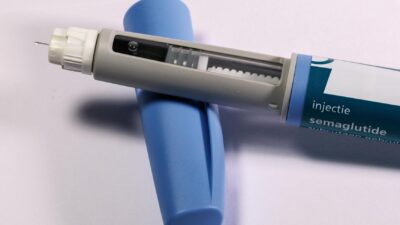
GLP-1 medications such as Ozempic, Wegovy, Mounjaro, Zepbound, Victoza, and Saxenda were developed for type 2 diabetes or chronic weight management. They can cost 800 to 1,300 or more dollars per month at full U.S. cash prices. That sticker shock drives the search for cheap GLP 1 options.
“Cheap” can mean a few different things:
- Lower monthly out-of-pocket cost thanks to insurance and coupons.
- A lower-priced FDA-approved alternative, such as a generic GLP-1.
- A cash-pay compounded or international product.
Each has different implications for safety, reliability, and long-term access.
Legitimate Ways to Lower the Cost of FDA-Approved GLP-1 Drugs
Before exploring unregulated options, it is worth working through legitimate cost-reduction levers:
- Insurance formulary checks: Ask your plan which GLP-1 drugs are preferred. Coverage often differs between diabetes and weight management indications.
- Manufacturer savings cards: Eli Lilly and Novo Nordisk offer savings programs that can meaningfully reduce monthly costs for eligible commercial-insured patients.
- Patient assistance programs: Income-based programs may provide free or low-cost medication for qualifying individuals.
- Switching between approved options: Some plans cover one GLP-1 better than another. Your clinician can help choose a medically appropriate option that is also affordable.
- Dose optimization: Starting lower or maintaining a lower effective dose may reduce monthly cost when dosing tiers are priced differently.
- Pharmacy comparison: Cash prices vary between retail chains, independent pharmacies, and mail order.
Cost Landscape at a Glance
| Pathway | Typical Monthly Cost Range | FDA-Approved? | Key Considerations |
|---|---|---|---|
| Insurance + coupon | 25 to 150 dollars | Yes | Eligibility and coverage vary |
| Cash pay, branded | 800 to 1,300+ dollars | Yes | Predictable quality and supply |
| Patient assistance | Low or free for eligible | Yes | Income and documentation required |
| Compounded telehealth | 150 to 400 dollars | No | Quality varies, FDA concerns |
| International or unverified | Highly variable | Not in U.S. | Counterfeit and legal risks |
Compounded GLP-1: Cheaper, But Complicated
Compounded semaglutide and tirzepatide became more common during brand-name shortages. These products are not FDA-approved. The FDA has warned about serious safety issues, including dosing errors, questionable salt forms, and adverse events tied to some compounded products.
If you are considering a compounded GLP-1 for cost reasons, ask:
- Is the pharmacy 503A (patient-specific) or 503B (outsourcing facility), and which states license it?
- What salt form of semaglutide or tirzepatide is used, and where does the active ingredient come from?
- What testing is done for sterility, potency, and impurities?
- Who is the prescribing clinician, and how can you reach them with side-effect concerns?
- What is the full cost, including follow-up visits, shipping, and subscription fees?
A reputable compounding pharmacy should answer these questions clearly. A vague response is a reason to slow down.
Older GLP-1s and Generics
Not all GLP-1 drugs are new or expensive. Liraglutide (Victoza for diabetes, Saxenda for weight) has generic versions in some markets, which can bring monthly costs down compared with newer agents. Exenatide and dulaglutide are other older options.
These drugs may be less potent for weight loss than tirzepatide or high-dose semaglutide, but they still produce meaningful benefits for many people and can be an affordable starting point. They can also be a reasonable option for someone with prediabetes-related risk factors whose clinician believes a GLP-1 is appropriate.
Risks of Unverified Online Sellers
Searches for cheap GLP 1 often surface websites offering “semaglutide” or “tirzepatide” at dramatically lower prices with no clinician involvement. These products may be:
- Counterfeit, subpotent, or adulterated.
- Illegally imported and subject to seizure.
- Marketed as “research chemicals not for human use,” bypassing safety oversight.
Besides the health risks, buying from unverified sellers leaves you without recourse if something goes wrong. The short-term savings are not worth the harm that can follow.
Combining Medication With Lifestyle
Whether you use a branded, generic, or compounded GLP-1, medication works best alongside nutrition, activity, sleep, and stress strategies. Our diet and nutrition hub covers evidence-based eating patterns, and our treatment hub puts GLP-1 options in the context of overall prediabetes and weight management care. Investing in habits that reduce insulin resistance improves results during treatment and makes any future dose changes easier to tolerate.
The Bottom Line
Cheap GLP 1 access is possible, but the cheapest option is not always the safest. Start with legitimate pathways: insurance, savings cards, assistance programs, and older GLP-1 agents. Consider compounded options only with clear eyes about FDA concerns and with a trustworthy pharmacy and clinician. Skip unverified online sellers entirely. Work with your care team so cost savings do not come at the expense of your health.
Medical disclaimer: This article is for educational purposes only and does not endorse any specific medication, pharmacy, or source. Always consult a qualified healthcare professional before starting, stopping, or changing GLP-1 therapy.