Tirzepatide produced an average 6.5 percentage points more weight loss than Wegovy in the SURMOUNT-5 head-to-head trial published in 2024-2025. Both are weekly injections approved for chronic weight management, and both share an essentially identical gastrointestinal side-effect profile. The biggest functional difference is mechanism — Wegovy targets one receptor (GLP-1), while tirzepatide targets two (GLP-1 and GIP) — which appears to drive its larger weight-loss effect. Pricing and insurance coverage are roughly similar.
What Each Drug Is
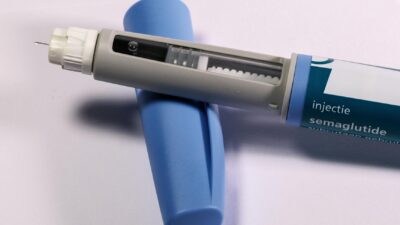
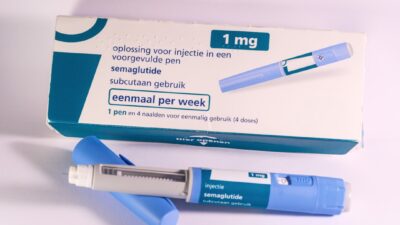
Wegovy is the brand name for semaglutide 2.4 mg, a GLP-1 receptor agonist made by Novo Nordisk. It was FDA-approved in 2021 for chronic weight management in adults with obesity (BMI ≥ 30) or overweight (BMI ≥ 27) with at least one weight-related comorbidity. Subsequent approvals expanded use to adolescents 12 and older and added a cardiovascular risk-reduction indication.
Tirzepatide is the active ingredient in two brand names from Eli Lilly:
- Mounjaro — FDA-approved 2022 for type 2 diabetes
- Zepbound — FDA-approved 2023 for chronic weight management, with a 2024 expansion for obstructive sleep apnea with obesity
Tirzepatide is a dual GIP/GLP-1 receptor agonist, acting on both the GLP-1 pathway (like semaglutide) and the GIP pathway (additional incretin hormone). The combined mechanism is theorized to produce stronger metabolic effects.
Head-to-Head Trial: SURMOUNT-5
The SURMOUNT-5 trial randomized 751 adults with obesity (without diabetes) to receive either tirzepatide 15 mg weekly or semaglutide 2.4 mg weekly (the Wegovy dose) for 72 weeks. Tirzepatide outperformed Wegovy on every primary and secondary outcome.
| Outcome | Tirzepatide 15 mg | Wegovy 2.4 mg |
|---|---|---|
| Mean body weight reduction | 20.2% | 13.7% |
| ≥10% weight loss achieved | 81.6% | 60.5% |
| ≥15% weight loss achieved | 64.6% | 40.1% |
| ≥20% weight loss achieved | 48.4% | 27.3% |
| ≥25% weight loss achieved | 31.6% | 16.1% |
| Mean waist reduction (cm) | -18.4 | -13.0 |
The trial used maximum tolerated doses of each drug. Average percent weight loss was both clinically and statistically significantly larger with tirzepatide.
Dosing Comparison
The mg numbers are not directly comparable because the drugs are different molecules. What matters is the approved dose range:
| Wegovy dose phase | Wegovy mg | Zepbound dose phase | Zepbound mg |
|---|---|---|---|
| Weeks 1-4 | 0.25 mg | Weeks 1-4 | 2.5 mg |
| Weeks 5-8 | 0.50 mg | Weeks 5-8 | 5 mg |
| Weeks 9-12 | 1.0 mg | Weeks 9-12 | 7.5 mg |
| Weeks 13-16 | 1.7 mg | Weeks 13-16 | 10 mg |
| Week 17+ | 2.4 mg (max) | Weeks 17-20 | 12.5 mg |
| — | — | Week 21+ | 15 mg (max) |
Tirzepatide’s longer escalation (20 weeks to maximum dose) provides more granular titration steps, which may help tolerability.
Side Effect Comparison
The two drugs share the same gastrointestinal side-effect profile because both signal through GLP-1 receptors. The most common side effects in trials:
| Side effect | Wegovy (STEP-1) | Zepbound (SURMOUNT-1) |
|---|---|---|
| Nausea | 44.2% | 33-44% |
| Diarrhea | 31.5% | 21-29% |
| Vomiting | 24.8% | 13-24% |
| Constipation | 23.4% | 11-17% |
| Discontinuation from AE | ~7% | ~7% |
Direct comparison in SURMOUNT-5 showed similar rates of side effects and similar discontinuation rates. Individual tolerability varies; some people handle one drug better than the other.
Serious Risks Are Similar
Both drugs carry the same FDA boxed warning about thyroid C-cell tumors based on rodent studies. Both should be avoided in patients with personal or family history of medullary thyroid carcinoma or multiple endocrine neoplasia syndrome type 2. Both carry risks of pancreatitis, gallbladder disease (from rapid weight loss), and acute kidney injury (typically secondary to dehydration from GI side effects).
Cost and Insurance
List prices are similar:
- Wegovy: ~$1,349 per month
- Zepbound: ~$1,059 per month (lower than Wegovy as of 2024-2025)
Insurance coverage varies. Some commercial plans prefer one drug over the other based on negotiated rebates. Medicare Part D does not cover either for weight loss (federal law excludes weight-loss medications), but does cover Wegovy and Zepbound for non-weight-loss indications (Wegovy for cardiovascular risk reduction, Zepbound for obstructive sleep apnea with obesity).
Manufacturer savings programs:
- Wegovy: Novo Nordisk savings card for commercially insured patients (as low as $0 in some cases)
- Zepbound: Eli Lilly Self-Pay program offers vials (lower-cost format) at $349-$499 per month for patients without coverage
Which Should You Choose?
Tirzepatide is more potent on average for weight loss with a longer titration period that may help tolerability. Wegovy has more years of post-market data and additional approved indications (cardiovascular risk reduction). For many patients, the practical choice comes down to insurance coverage and prescriber preference. The clinical data favor tirzepatide for maximum weight loss; Wegovy remains a strong option, especially for patients who tolerate it well or have cardiovascular indications.
The Bottom Line
Tirzepatide produced more weight loss than Wegovy in the SURMOUNT-5 head-to-head trial (20.2% vs 13.7% over 72 weeks). Both drugs are weekly injections with similar side-effect profiles, similar serious risks, and similar pricing. Wegovy has a longer post-market track record and more approved indications; tirzepatide has stronger weight-loss efficacy. The right choice depends on your weight-loss goal, insurance coverage, and tolerability. Consult your prescriber to discuss which fits your situation. For more on weight-loss treatment options, see our hub.