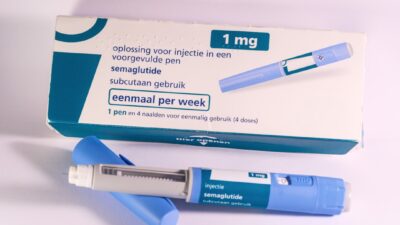
Type 2 diabetes insulin is used when diet, exercise, and other medications cannot keep blood sugar in a safe range on their own. Insulin is a natural hormone that moves glucose from the blood into cells for energy. In type 2 diabetes, the body becomes resistant to its own insulin and, over time, produces less of it. Adding insulin as a therapy replaces what the pancreas can no longer make in sufficient amounts.
When Insulin Enters the Picture
Type 2 diabetes care usually starts with lifestyle measures and an oral medication such as metformin. Depending on A1C, weight, cardiovascular and kidney status, clinicians often add a GLP-1 receptor agonist, an SGLT2 inhibitor, or another oral agent before insulin. Insulin is generally considered when A1C remains above the individualized goal despite multiple non-insulin therapies, when A1C is very high at diagnosis, or when there is significant symptomatic hyperglycemia such as unintentional weight loss. A thorough understanding of your baseline A1C levels and glucose patterns informs that decision.
Types of Insulin Regimens
Insulin comes in formulations that differ by onset, peak, and duration. Most type 2 diabetes regimens fall into a few common patterns.
Basal Only
A once-daily long-acting insulin such as glargine, detemir, or degludec provides steady background coverage. Basal insulin is usually the first insulin added because it targets fasting glucose and can be titrated slowly.
Basal Plus or Basal Bolus
If fasting glucose is controlled but post-meal readings remain high, a clinician may add rapid-acting insulin before one meal (basal plus) or all meals (basal bolus). Rapid-acting insulins include lispro, aspart, and glulisine.
Premixed Insulin
Premixed products combine basal and rapid-acting insulin in fixed ratios. They simplify injection counts but reduce flexibility for meal timing.
Side by Side: Common Regimens
| Regimen | Typical Use | Pros | Considerations |
|---|---|---|---|
| Basal only | First-line insulin | One injection, simpler titration | May not cover post-meal spikes |
| Basal plus | Largest post-meal spike | Adds control to the problem meal | Two injections, slight hypo risk |
| Basal bolus | Variable meals or high A1C | Most flexible | Four injections, more monitoring |
| Premixed | Predictable meals | Fewer injections | Less meal flexibility |
How Insulin Dose Is Adjusted
Clinicians typically start basal insulin at a conservative dose based on body weight and adjust every few days using fasting fingerstick glucose or continuous glucose monitoring. The goal is to reach a pre-agreed fasting target without causing lows. Mealtime insulin is more nuanced and usually requires carbohydrate awareness. Self-titration protocols exist, but they should be used only with clinician guidance, especially early in therapy. This article describes the general framework only and is not a substitute for individualized instructions. See our broader treatment hub for an overview of how insulin fits with other options.
Benefits of Adding Insulin
Insulin is the most effective glucose-lowering medication known. When A1C is very high, insulin can bring numbers down quickly and reduce symptoms such as thirst, frequent urination, blurred vision, and fatigue. Short-term intensive insulin use at diagnosis has been studied as a way to rest overworked beta cells, although that strategy is specialized. Long-term, well-managed insulin therapy can prevent or slow complications related to chronic hyperglycemia, including those affecting eyes, kidneys, and nerves.
Side Effects and Risks
The most important risk is hypoglycemia. Symptoms include shakiness, sweating, racing heart, hunger, confusion, and in severe cases seizures or loss of consciousness. People on insulin should carry a fast-acting glucose source and, when appropriate, have glucagon available. Weight gain is another common concern because insulin promotes storage of nutrients. Injection-site reactions, including lipohypertrophy from using the same spot repeatedly, can affect absorption. Rotating injection sites helps prevent this.
Less common but important concerns include fluid retention, especially when insulin is combined with certain oral agents, and rare allergic reactions. Any unusual swelling, breathing difficulty, or severe low should prompt urgent medical evaluation.
Monitoring While on Insulin
Most people on insulin need some form of home glucose monitoring. Fingerstick testing before meals and at bedtime gives useful data. Continuous glucose monitors are increasingly used and can highlight overnight lows or post-meal spikes that fingersticks miss. Clinicians usually check A1C every three months after a change and every six months once stable. They also review kidney function, lipids, blood pressure, and body weight because these influence regimen choice.
Lifestyle Still Matters
Insulin does not replace healthy habits. Consistent meal timing, carbohydrate awareness, physical activity, and sleep all influence insulin sensitivity. People who lose even a modest percentage of body weight often need less insulin, and some can reduce the number of other medications as well. Our diet and nutrition hub explains practical ways to stabilize glucose alongside any medication regimen.
Practical Questions To Ask Your Clinician
- What is my individualized A1C goal, and why?
- Which insulin are you starting me on, and how often will we adjust?
- What symptoms of low blood sugar should I treat at home versus call you?
- How should I rotate injection sites and store unused pens or vials?
- Are there non-insulin options we might add to reduce the insulin dose I need?
The Bottom Line
Type 2 diabetes insulin is a powerful tool that replaces what the pancreas can no longer make in adequate amounts. Most people start with basal insulin and add mealtime doses only if needed. Benefits include rapid glucose lowering and symptom relief; the main trade-offs are hypoglycemia and weight gain. Starting, stopping, or adjusting any insulin regimen is a clinical decision, not a do-it-yourself project. Work with your healthcare team to design a plan that fits your life, labs, and long-term goals.
Medical disclaimer: This article is educational and does not constitute medical advice. Always consult a qualified clinician for diagnosis, treatment, and medication adjustments.