Willow GLP-1 refers to the GLP-1 receptor agonist offering marketed by Willow Health, one of many direct-to-consumer telehealth brands that emerged during the boom in medications like semaglutide and tirzepatide. This article provides an informational overview of how such programs typically work, what questions a careful patient should ask, and the clinical context for GLP-1 therapy itself. We do not endorse Willow or any specific brand, and nothing here is a recommendation to use or avoid a particular service.
What GLP-1 Medications Actually Do
GLP-1 receptor agonists mimic the gut hormone glucagon-like peptide-1. They stimulate insulin release when blood glucose is elevated, suppress glucagon, slow gastric emptying, and act on brain centers that regulate appetite. In clinical trials, these medications have produced meaningful reductions in A1C for people with type 2 diabetes and meaningful weight loss for people with obesity or overweight plus a weight-related condition. For context on how glucose measurements relate to diabetes risk, see our A1C levels guide.
The Telehealth GLP-1 Model
A typical telehealth GLP-1 program has three parts: an intake questionnaire, a virtual evaluation with a licensed clinician, and a fulfillment partner that ships the medication. Users upload a photo ID, answer questions about medical history, and sometimes submit weight and blood pressure data. A clinician reviews the file and, if appropriate, writes a prescription. Monthly check-ins and messaging support are common features.
Brands such as Willow operate in this space alongside many competitors. The structural differences among them often come down to three variables: the depth of clinical evaluation, the source of the medication, and the monitoring cadence once therapy begins.
Comparing Key Attributes of Telehealth GLP-1 Programs
| Attribute | What A Thorough Program Does | Why It Matters |
|---|---|---|
| Clinical evaluation | Live video visit, review of labs and history | Screens for contraindications |
| Medication sourcing | FDA-approved branded product when possible | Known identity, strength, purity |
| Labs | Baseline A1C, kidney function, pregnancy if relevant | Identifies medical context and risks |
| Monitoring | Scheduled follow-ups, side effect reporting | Catches complications early |
| Transparency | Written disclosure of product source, pharmacy license | Empowers informed consent |
Branded Versus Compounded
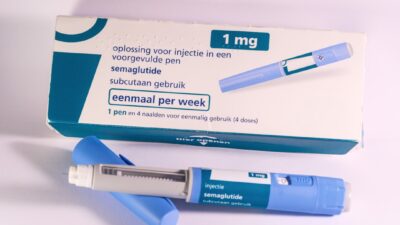
Some telehealth programs dispense FDA-approved branded GLP-1 products such as Ozempic, Wegovy, Mounjaro, or Zepbound. Others dispense compounded preparations made by a partner pharmacy. The difference is not cosmetic. Branded products have been through the FDA’s review process for safety, efficacy, manufacturing quality, and labeling. Compounded preparations have not. The FDA has raised concerns about sterility, potency, and the use of different salt forms such as semaglutide sodium in some compounded products. Before enrolling in any program, ask in writing which specific medication will be shipped and whether it is FDA-approved.
Who Is Generally Eligible
GLP-1 therapy for weight management is typically considered for adults with a BMI of 30 or higher, or 27 or higher with a related condition such as hypertension, dyslipidemia, or type 2 diabetes. For type 2 diabetes, eligibility is broader and based on glycemic goals and cardiovascular or kidney factors. Contraindications include a personal or family history of medullary thyroid carcinoma or multiple endocrine neoplasia type 2. Pregnancy, active pancreatitis, severe gastrointestinal disease, and certain eye conditions require careful evaluation. A rushed intake that does not screen for these is a warning sign.
Benefits Patients Commonly Report
When prescribed and monitored appropriately, GLP-1 medications can support weight loss, reduce appetite and food preoccupation, improve A1C, and in certain populations reduce cardiovascular risk. For many people, these benefits come alongside improvements in blood pressure, lipid profile, and sleep quality. Combining medication with nutrition and activity changes, as explained in our diet and nutrition resources, generally produces more durable results than medication alone.
Side Effects and Safety Monitoring
The most common side effects of GLP-1 medications are gastrointestinal: nausea, vomiting, diarrhea, constipation, and abdominal pain. These usually improve over weeks but can be severe enough that some people stop therapy. Rare but serious concerns include pancreatitis, gallbladder disease, severe dehydration leading to acute kidney injury, and in animal studies thyroid C-cell tumors with some GLP-1 products. Any severe abdominal pain, persistent vomiting, or signs of dehydration warrants prompt clinician contact.
A well-run program sets expectations for dose escalation, teaches injection technique if injectable, discusses hydration and food choices that ease nausea, and has a clear process for reporting side effects between visits.
Cost, Access, and Subscription Models
Many telehealth GLP-1 services operate on monthly subscription pricing that bundles the consult, the medication, and shipping. Cash-pay pricing for compounded products is often lower than the list price of branded alternatives, which is part of why the market exists. Branded products may be covered by insurance for approved indications, sometimes with manufacturer savings programs. When evaluating a program, clarify whether the advertised price includes shipping, follow-up visits, and dose escalations, and what happens if you pause or cancel.
Questions To Bring to Any Telehealth GLP-1 Visit
- Which specific medication will I receive, and is it FDA-approved or compounded?
- What is the licensure and location of the dispensing pharmacy?
- Which labs will you order, and how often will we recheck?
- Who do I contact after hours for severe side effects?
- What is the exit plan if I need to stop or switch medications?
Alternatives and Complementary Care
GLP-1 therapy is one of several evidence-based options for weight and metabolic health. Structured lifestyle programs, bariatric surgery, and other medications each have evidence in specific populations. A balanced evaluation considers all of these, not just the one the program happens to sell. For a broader perspective on medical approaches, see our treatment overview.
The Bottom Line
Willow GLP-1 is one example of the telehealth-driven access model for GLP-1 receptor agonists. The model can work well when the program includes a genuine clinical evaluation, clear disclosure of the medication source, appropriate labs, and ongoing monitoring. It can be risky when the evaluation is cursory, the product is compounded without full disclosure, or follow-up is weak. Use the questions above with any service you consider, and loop in your own primary clinician to keep your full health picture in view.
Medical disclaimer: This article is informational and does not endorse any specific brand or service. Consult a licensed healthcare professional before starting any GLP-1 medication.