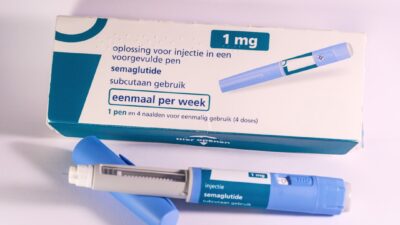
Wegovy results are well documented: in the pivotal STEP 1 trial, adults with overweight or obesity lost an average of 14.9% of their starting body weight over 68 weeks, compared to 2.4% on placebo. Individual outcomes vary, but most people see meaningful changes in appetite within weeks and visible weight loss by month three.
What the Clinical Trials Showed
Wegovy (semaglutide 2.4 mg) was approved by the FDA in 2021 based on the STEP program — four large randomized trials testing once-weekly injections in different populations. Across these trials, average weight loss clustered between 10% and 17% of baseline body weight, far exceeding older anti-obesity medications, which typically produced 3-8% loss.
The headline STEP 1 result — 14.9% mean weight loss over 68 weeks — included a 68-week titration schedule starting at 0.25 mg and stepping up every four weeks to the 2.4 mg maintenance dose. Participants also received monthly lifestyle counseling, which contributes modestly to outcomes.
Month-by-Month Weight Loss Timeline
While everyone responds differently, the STEP trials revealed a fairly consistent weight loss curve. The table below summarizes average cumulative weight loss at each milestone.
| Timepoint | Dose | Average Weight Loss |
|---|---|---|
| Week 4 | 0.25 mg | ~2% |
| Week 8 | 0.5 mg | ~4% |
| Week 16 | 1.7 mg | ~7% |
| Week 20 | 2.4 mg (maintenance) | ~9% |
| Week 40 | 2.4 mg | ~13% |
| Week 68 | 2.4 mg | ~15% |
About one in three STEP 1 participants lost 20% or more of body weight — results comparable to some bariatric surgery outcomes. Roughly one in ten lost less than 5%, a group clinicians call “non-responders.” If you have not lost at least 5% by six months on the full dose, your prescriber may reassess.
Beyond the Scale: Metabolic and Cardiovascular Benefits
Weight loss is only part of the Wegovy story. In participants with prediabetes at baseline, the STEP trials showed substantial improvements in fasting glucose and A1C levels, with many reverting to normal glucose ranges. Blood pressure, triglycerides, and inflammatory markers also improved.
The 2023 SELECT trial, published in the New England Journal of Medicine, tested Wegovy in 17,604 adults with overweight/obesity and established cardiovascular disease but without diabetes. Wegovy reduced the composite risk of heart attack, stroke, or cardiovascular death by 20% over an average of 40 months. In 2024, the FDA added cardiovascular risk reduction to the Wegovy label — the first weight-loss drug with that indication.
Real-World Results vs. Trial Results
Real-world Wegovy results tend to be slightly lower than trial averages, for understandable reasons. Clinical trial participants receive free medication, structured counseling, and frequent follow-up. Real-world users face supply shortages, insurance denials, dose interruptions, and less intensive lifestyle support.
A 2024 retrospective cohort study using electronic health records found average weight loss of about 8-10% at one year among commercially-insured Wegovy users — meaningful, but below STEP 1’s 15% average. Adherence was the strongest predictor: patients who stayed on full-dose Wegovy for 12+ months achieved results close to trial numbers.
Side Effects That Affect Results
Gastrointestinal side effects — nausea, vomiting, diarrhea, constipation — are the most common reason people stop Wegovy. In STEP 1, about 7% discontinued due to adverse events. Slow dose titration, smaller meals, and adequate hydration reduce severity for most users. Rare but serious risks include pancreatitis, gallbladder disease, and thyroid C-cell tumors (boxed warning based on rodent studies).
What Happens When You Stop
Wegovy results are not permanent. The STEP 4 withdrawal trial randomized participants who had already reached the maintenance dose to either continue Wegovy or switch to placebo. Those who stopped regained about two-thirds of their lost weight within 52 weeks, while those who continued maintained or lost additional weight. Most obesity specialists now frame Wegovy as long-term therapy, not a short-term “jumpstart.”
Getting the Best Results
Trial-level results require trial-level habits. The STEP protocols included a calorie deficit target of about 500 kcal/day, 150 minutes of weekly physical activity, and monthly coaching. Pairing Wegovy with a structured prediabetes-friendly diet and resistance training preserves lean mass and improves metabolic outcomes. Regular follow-up with your prescriber helps catch plateaus, side effects, and dose-response issues early.
The Bottom Line
Wegovy results in clinical trials — about 15% average weight loss plus meaningful cardiometabolic benefits — represent one of the largest advances in obesity pharmacotherapy to date. Real-world outcomes are somewhat lower and depend heavily on adherence, tolerability, and lifestyle support. Talk with your healthcare provider about whether Wegovy fits your goals, your insurance coverage, and your long-term treatment plan.
Medical disclaimer: This article is for educational purposes only and is not a substitute for professional medical advice, diagnosis, or treatment. Always consult your physician before starting, stopping, or changing any medication.