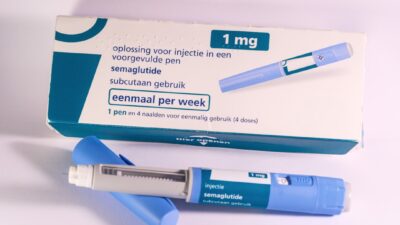
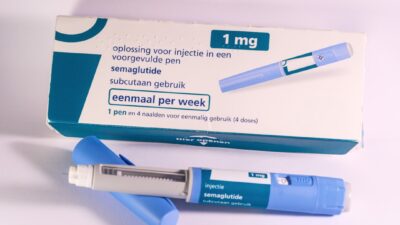
Zepbound dosing follows a gradual stepped titration that starts at 2.5 mg once weekly and may increase every four weeks up to a maximum of 15 mg weekly. The slow ramp is designed to limit nausea and other gastrointestinal side effects while letting the drug’s appetite-suppressing benefits develop. Only a prescriber can set or change your schedule.
What Zepbound Is and How It Works
Zepbound is the brand name for tirzepatide when prescribed for chronic weight management. The same molecule is sold as Mounjaro for type 2 diabetes. Tirzepatide is a dual agonist: it activates both the GIP (glucose-dependent insulinotropic polypeptide) and GLP-1 receptors. This dual action boosts insulin release, slows gastric emptying, and reduces appetite more strongly than GLP-1-only drugs in the SURPASS and SURMOUNT trial programs.
For context on how these drugs fit into broader care, see our prediabetes treatment overview.
The FDA-Approved Titration Schedule
According to the FDA-approved prescribing information, Zepbound is delivered as a subcutaneous injection once weekly. Each dose level is held for four weeks before a potential step up. The table below summarizes the label’s dosing ladder.
| Step | Weekly Dose | Typical Duration | Purpose |
|---|---|---|---|
| 1 | 2.5 mg | 4 weeks | Starting dose (not maintenance) |
| 2 | 5 mg | 4+ weeks | First maintenance dose option |
| 3 | 7.5 mg | 4+ weeks | Escalation if tolerated |
| 4 | 10 mg | 4+ weeks | Maintenance dose option |
| 5 | 12.5 mg | 4+ weeks | Escalation if tolerated |
| 6 | 15 mg | Ongoing | Maximum maintenance dose |
The label lists 5 mg, 10 mg, and 15 mg as recognized maintenance doses. Your prescriber decides where to stop based on weight loss response, side-effect burden, and comorbidities.
Benefits Observed in Trials
In the SURMOUNT-1 trial, adults without diabetes who took 15 mg of tirzepatide lost an average of 20.9 percent of body weight over 72 weeks, compared with 3.1 percent on placebo, according to the New England Journal of Medicine. Improvements in waist circumference, blood pressure, fasting insulin, and triglycerides paralleled the weight loss. Many participants with prediabetes at baseline returned to normal glucose levels, a finding that echoes guidance on whether prediabetes is reversible with aggressive intervention.
Side Effects to Expect
Most side effects are gastrointestinal and peak during dose escalation. They typically fade as your body adjusts.
- Common: nausea, diarrhea, constipation, vomiting, fatigue
- Less common: injection-site reactions, burping, abdominal pain, hair thinning
- Serious (rare): pancreatitis, gallbladder disease, acute kidney injury from dehydration, severe allergic reactions
- Boxed warning: thyroid C-cell tumors observed in rodents; contraindicated with personal or family history of medullary thyroid carcinoma or MEN 2
Who Should Avoid Zepbound
Zepbound is not approved for type 1 diabetes, pregnancy, or people younger than 18. Combining it with other GLP-1 receptor agonists such as semaglutide is not recommended. People with a history of pancreatitis, severe gastrointestinal disease, or diabetic retinopathy need close monitoring. If you are still assessing risk, reviewing what prediabetes is with your clinician is a sensible first step before adding any medication.
Practical Tips During Titration
Hydration, smaller and more frequent meals, avoiding greasy or very spicy foods, and rotating injection sites can all help manage gastrointestinal side effects. Report persistent vomiting, severe abdominal pain, or signs of gallbladder disease to your clinician promptly. Do not use expired pens or split a single pen across multiple patients.
How Zepbound Compares to Semaglutide
In the SURMOUNT-5 head-to-head trial, tirzepatide (Zepbound) produced greater average weight loss than semaglutide (Wegovy) over 72 weeks when both drugs were used at their highest approved doses. The dual GIP and GLP-1 mechanism likely explains the larger effect on appetite and energy balance. That said, individual response varies; some people tolerate semaglutide better or respond more strongly to it. Your clinician weighs efficacy, tolerability, cost, and coverage.
Lifestyle Pairing Matters
Dose escalation works best when paired with evidence-based behavior changes. Guidelines recommend reduced-calorie eating, 150 minutes or more of moderate activity weekly, adequate sleep, and stress management alongside medication. Drug-driven appetite suppression creates an opportunity to build habits that outlast any single prescription. Review our diet and nutrition guide for habit-building templates.
Monitoring During Treatment
- Weekly home weight checks in the first few months
- Blood pressure and heart rate at each visit
- A1C every three to six months if diabetes or prediabetes is present
- Lipid panel and kidney function at baseline, then periodically
- Mental health check-ins, since rapid weight changes can affect mood
The Bottom Line
Zepbound dosing is intentionally gradual: a 2.5 mg starting dose, then four-week steps up to a 15 mg weekly maximum, guided by tolerability and response. The stepwise approach balances meaningful weight-loss and cardiometabolic benefits against gastrointestinal side effects and rare but serious safety signals. Dose decisions belong in the hands of a prescriber who knows your medical history. This article is educational and is not a substitute for professional medical advice.