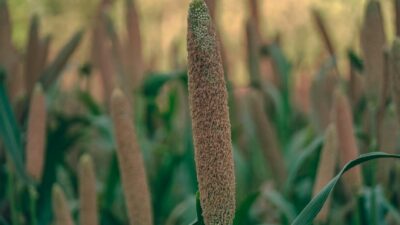
Sorghum (Sorghum bicolor) is an ancient cereal grain, one of the world’s most important staple foods – major in Africa and India (jowar), Asia, parts of U.S. (traditionally as livestock feed, now rediscovered for human consumption). Gluten-free. Per ½ cup cooked (125 g) – 110 calories, 20 g carbohydrate, 3 g fiber (net 17 g), 4 g protein, 1 g fat. Glycemic index 55-60 – lower than white rice (73), brown rice (66), white wheat (75). Whole-grain status – typically eaten with bran intact (unlike refined grains). Benefits – high antioxidants (especially red, brown, black varieties – contain polyphenols like tannins, anthocyanins, possibly more than blueberries); gluten-free; phytochemicals with possible blood sugar benefits; high satiety from fiber and protein; ancient grain rediscovered. Concerns – tannins may inhibit iron absorption (less of an issue if eating varied diet); refined products lose nutrients; pearled (polished) sorghum less nutritious than whole. Use ½ cup cooked portion paired with protein and vegetables. Multiple applications – whole-grain cook (1 cup sorghum to 3 cups water/broth, simmer 45-60 minutes; serve like rice; soak first to reduce cook time); pearled sorghum (cooks faster 30-40 minutes; some nutrient loss vs whole-grain); popped sorghum (dry-heat in skillet; pops like miniature popcorn; great snack alternative); sorghum flour (gluten-free baking; use 25-100% replacement; pancakes, muffins, breads, tortillas); Indian jowar roti (flatbread, gluten-free, traditional); African dishes (kisra, injera-style flatbread, ugali, beer brewing); salads; soup additions; stuffed peppers, casseroles; breakfast porridge with cinnamon and berries; sorghum syrup (treat as sugar); in burger patties or vegetable patties for binding; bowl meals. Sorghum varieties differ in antioxidant content – white sorghum (low antioxidants), red sorghum (moderate), brown/black sorghum (very high antioxidants including tannins, anthocyanins, 3-deoxyanthocyanins). Some studies suggest darker sorghum has more antioxidant capacity than blueberries (per gram). Possible diabetes effects – some research suggests sorghum extracts may modestly improve insulin sensitivity, lower fasting blood sugar, and reduce oxidative stress markers; mechanisms include alpha-glucosidase inhibition (similar to mulberry leaf), antioxidant effects, anti-inflammatory. Limited human studies on whole-grain sorghum for diabetes; most research on extracts.
Sorghum Nutrition (½ cup cooked)
| Nutrient | Amount |
|---|---|
| Calories | 110 |
| Carbohydrate | 20 g |
| Fiber | 3 g |
| Net carbs | 17 g |
| Protein | 4 g |
| Fat | 1 g |
| Iron | 2 mg (10% DV) |
| Magnesium | 50 mg (12% DV) |
| Phosphorus | 140 mg (10% DV) |
| GI | 55-60 (moderate) |
Sorghum Varieties
| Variety | Antioxidants | Use |
|---|---|---|
| White sorghum | Low | Mild flavor; flour, syrup |
| Red sorghum | Moderate | Most common cooking grain |
| Brown sorghum | High | More nutrients; flour |
| Black sorghum | Very high | Highest antioxidants; specialty |
| Pearled sorghum | Reduced | Cooks faster; less nutritious |
| Whole-grain sorghum | Higher | Best for diabetes |
Diabetes-Friendly Applications
- Sorghum bowl with grilled chicken and roasted vegetables.
- Sorghum salad with cucumber, tomato, feta, vinaigrette.
- Hot porridge with cinnamon, walnuts, berries.
- Indian jowar roti (gluten-free flatbread).
- Stuffed bell peppers with sorghum and ground meat.
- Popped sorghum snack with herbs/spices.
- Soup with sorghum and lean meat.
- Vegetable sorghum pilaf.
- Sorghum and bean burrito bowl (limit beans portion).
- Sorghum flour pancakes (with eggs and berries).
- Casseroles with sorghum substitute for rice.
- Cold sorghum salad with chicken and vegetables (lunch).
Cooking Method
- Whole-grain sorghum: 1 cup grain to 3 cups water/broth.
- Bring to boil, reduce heat, cover.
- Simmer 45-60 minutes until grains soft.
- Soak 8 hours or overnight to reduce cook time.
- Pearled sorghum: 30-40 minutes; no soak needed.
- Slow cooker – 4-6 hours on low.
- Pressure cooker – 25-30 minutes.
- Texture: chewy, slightly nutty.
- Popping: dry skillet, medium heat, 1 cup at a time.
Sorghum vs Other Gluten-Free Grains
- Sorghum vs quinoa – sorghum lower carb, similar protein, more affordable.
- Sorghum vs millet – similar nutrition; sorghum slightly more fiber.
- Sorghum vs amaranth – sorghum lower carb, similar protein.
- Sorghum vs brown rice – sorghum higher fiber, antioxidants, lower GI.
- Sorghum vs corn – sorghum higher fiber and protein, lower GI.
- All gluten-free options for celiac/gluten sensitivity.
- Sorghum has neutral mild flavor for versatile use.
Where to Find Sorghum
- Health food stores (Whole Foods, Sprouts).
- African grocery stores.
- Indian grocery stores (jowar).
- Online (Bob’s Red Mill, Nuts.com, Amazon).
- Bulk bins at natural food stores.
- Sorghum flour at gluten-free baking sections.
- Popping sorghum at specialty stores.
- Cost: $2-5 per pound (more affordable than quinoa).
The Bottom Line
Sorghum (Sorghum bicolor) is an ancient cereal grain, one of the world’s most important staple foods – major in Africa and India (jowar), Asia, parts of U.S. Gluten-free. Per ½ cup cooked (125 g) – 110 calories, 20 g carbohydrate, 3 g fiber (net 17 g), 4 g protein, 1 g fat. Glycemic index 55-60 – lower than white rice (73), brown rice (66), white wheat (75). Whole-grain status – typically eaten with bran intact (unlike refined grains). Benefits – high antioxidants (especially red, brown, black varieties – contain polyphenols like tannins, anthocyanins, possibly more than blueberries); gluten-free; phytochemicals with possible blood sugar benefits; high satiety from fiber and protein; ancient grain rediscovered. Concerns – tannins may inhibit iron absorption (less of an issue if eating varied diet); refined products lose nutrients; pearled (polished) sorghum less nutritious than whole. Use ½ cup cooked portion paired with protein and vegetables. Multiple applications – whole-grain cook (1 cup sorghum to 3 cups water/broth, simmer 45-60 minutes; serve like rice; soak first to reduce cook time); pearled sorghum cooks faster (30-40 minutes); popped sorghum (dry-heat in skillet; pops like miniature popcorn; great snack alternative); sorghum flour (gluten-free baking); Indian jowar roti; African dishes (kisra, injera-style, ugali); salads (cool cooked sorghum tossed with vegetables, vinaigrette); soup additions; stuffed peppers, casseroles; breakfast porridge with cinnamon and berries; sorghum syrup (treat as sugar); burger patty binding; bowl meals; sorghum bread. Sorghum varieties differ in antioxidant content – white sorghum (low), red sorghum (moderate), brown/black sorghum (very high – includes tannins, anthocyanins, 3-deoxyanthocyanins). Some studies suggest darker sorghum has more antioxidant capacity than blueberries (per gram). Possible diabetes effects – some research suggests sorghum extracts may modestly improve insulin sensitivity, lower fasting blood sugar, and reduce oxidative stress markers; mechanisms include alpha-glucosidase inhibition, antioxidant effects, anti-inflammatory. Limited human studies on whole-grain sorghum for diabetes. Excellent gluten-free option – sorghum vs quinoa (sorghum slightly lower carb, similar protein, more affordable), vs millet (similar nutrition), vs amaranth (sorghum lower carb), vs brown rice (sorghum higher fiber and antioxidants, lower GI), vs corn (sorghum higher fiber and protein, lower GI). For diabetes – sorghum is excellent gluten-free option, particularly for adults with celiac disease or gluten sensitivity. Sorghum flour is excellent gluten-free baking option – milder flavor than buckwheat or millet flour. Mix with other flours for best baking results. Available at health food stores, African and Indian grocery stores, online (Bob’s Red Mill, Nuts.com). Cost more affordable than quinoa ($2-5 per pound). For adults with type 2 diabetes – sorghum is an excellent ancient gluten-free grain with moderate GI, high antioxidants (especially darker varieties), and good fiber; use ½ cup cooked portion paired with protein and vegetables. See our broader diabetes diet guide for context.