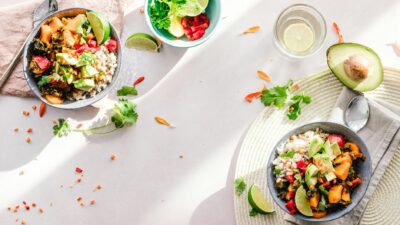
People with diabetes and prediabetes can eat a wide variety of foods — there is no “diabetic food list” you must stick to. The foundation is non-starchy vegetables, lean proteins, healthy fats, fiber-rich whole grains, beans, whole fruits, and dairy, in portions that match your calorie and carb targets. A few categories — sugar-sweetened drinks, refined starches, and deep-fried foods — are worth limiting, but almost nothing is off-limits entirely.
The Core Principles
Three rules power almost every diabetic meal plan:
- Include protein and fiber at every meal. Both slow digestion and flatten glucose spikes.
- Favor whole foods over processed foods. Whole foods come with built-in nutrient and fiber packages.
- Be consistent in timing and portions. Your body handles predictable input better than binge-skip cycles.
Do these three things and 80% of diabetes-friendly eating takes care of itself.
The Plate Method (Your New Best Friend)
The ADA plate method is the simplest way to plan a meal without measuring anything.
| Plate Section | Portion | Examples |
|---|---|---|
| Non-starchy vegetables | ½ plate | Salad, broccoli, peppers, zucchini, green beans |
| Lean protein | ¼ plate | Chicken, fish, tofu, eggs, Greek yogurt, beans |
| Carb foods | ¼ plate | Brown rice, quinoa, lentils, sweet potato, whole-grain pasta |
| Side (optional) | Small portion | 1 cup milk or 1 serving fruit |
A 9-inch plate is the right size for most adults. Use a salad plate, not a dinner platter.
Food Group Breakdown: What to Eat Freely
1. Non-Starchy Vegetables (Eat Freely)
Low calorie, low carb, high fiber. Fill half your plate.
- Leafy greens (spinach, kale, arugula, romaine)
- Cruciferous vegetables (broccoli, cauliflower, Brussels sprouts, cabbage)
- Peppers, tomatoes, cucumbers, zucchini, yellow squash
- Mushrooms, onions, garlic, leeks
- Asparagus, artichokes, okra, green beans
2. Lean Proteins
Essentially carb-free and highly satiating. Aim for 20-30 g per meal.
- Fish and seafood: salmon, tuna, cod, shrimp, sardines (2+ servings/week)
- Poultry: chicken and turkey breast, skinless
- Lean red meat: sirloin, tenderloin, 93%+ lean ground beef
- Eggs: whole eggs, egg whites
- Plant proteins: tofu, tempeh, edamame, beans, lentils, chickpeas
- Dairy proteins: plain Greek yogurt, cottage cheese
3. Healthy Fats
Add flavor and slow digestion. Watch portions — fats are calorie-dense.
- Olive oil, avocado oil
- Avocados
- Nuts: almonds, walnuts, pistachios, pecans
- Seeds: chia, flax, pumpkin, sunflower
- Olives, natural nut butters (no added sugar)
- Fatty fish
4. Whole Grains and Starchy Sides (Portion-Controlled)
Best choices — about ½ to 1 cup cooked per meal:
- Oats (steel-cut, rolled)
- Quinoa, barley, farro, brown rice, wild rice
- 100% whole-grain or sprouted bread
- Whole-wheat or legume-based pasta
- Corn tortillas, whole-grain tortillas
5. Legumes (Beans and Lentils)
Count as either protein or carb. Stellar fiber and nutrient profile.
- Black beans, pinto beans, kidney beans, navy beans
- Chickpeas (hummus, roasted)
- Lentils (red, green, French)
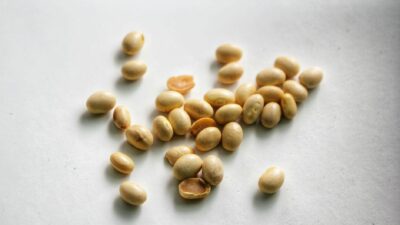
- Split peas, edamame, soybeans
6. Whole Fruits
1-2 servings per day. Berries are the top pick.
- Berries (blueberries, strawberries, raspberries, blackberries)
- Apples, pears, peaches, plums, apricots
- Citrus (oranges, grapefruit, clementines)
- Cherries, kiwi
- Melons in moderation
7. Dairy and Alternatives
- Plain Greek yogurt or kefir (high protein, low sugar)
- Milk (1% or 2%) — 1 cup = 12 g carbs
- Cheese (most varieties) — nearly carb-free
- Unsweetened soy or almond milk
8. Drinks
- Water (still or sparkling)
- Unsweetened coffee or tea
- Diet drinks in moderation
- Milk and plain kefir (count the carbs)
Foods to Limit (Not Forbid)
| Category | Examples | Why Limit |
|---|---|---|
| Sugar-sweetened drinks | Soda, sweet tea, sports drinks, fruit punch | Fast glucose spike, empty calories |
| Refined grains | White bread, white rice, most crackers | Low fiber, fast digestion |
| Deep-fried foods | French fries, fried chicken | Calorie-dense, often with refined carbs |
| Sweets and pastries | Cookies, cakes, candy, ice cream | Added sugar + refined flour |
| Processed meats | Bacon, sausage, hot dogs | Sodium, saturated fat, preservatives |
| Fruit juice & dried fruit | OJ, raisins, dates | Concentrated natural sugar |
Limit doesn’t mean never — a small serving occasionally, built into a balanced meal, is fine.
A Full Sample Day
About 1,800 calories and 130 grams of carbs, evenly spread.
Breakfast (30 g carbs)
Two scrambled eggs with spinach and feta, 1 slice whole-grain sourdough toast, ½ cup raspberries, black coffee.
Mid-Morning Snack (15 g carbs)
Plain Greek yogurt (6 oz) with 1 Tbsp chia seeds and cinnamon.
Lunch (35 g carbs)
Big salad: mixed greens, grilled chicken, ½ cup chickpeas, cherry tomatoes, cucumber, ¼ avocado, olive oil + red wine vinegar. 1 small whole-grain roll.
Afternoon Snack (10 g carbs)
Small apple with 2 Tbsp natural peanut butter, sparkling water.
Dinner (35 g carbs)
Baked salmon (5 oz), ½ cup quinoa, 1.5 cups roasted broccoli with lemon and olive oil, side salad.
Dessert (5 g carbs)
2 squares 85% dark chocolate + herbal tea.
Shopping List Starter
- Produce: spinach, kale, broccoli, peppers, zucchini, tomatoes, cucumbers, mushrooms, berries, apples, avocados, lemons
- Protein: eggs, chicken breast, salmon, shrimp, Greek yogurt, cottage cheese, tofu, canned tuna
- Pantry staples: olive oil, balsamic vinegar, canned beans, lentils, quinoa, steel-cut oats, almonds, walnuts, chia, flax
- Freezer: frozen berries, frozen broccoli, frozen salmon, edamame
- Dairy/alt: feta, parmesan, unsweetened almond milk, plain kefir
- Spices: cinnamon, turmeric, cumin, garlic powder, paprika
See our full best foods for prediabetes list and our prediabetes diet guide for meal templates.
Eating Out
- Look at the menu ahead of time; pick a dish before you’re hungry.
- Ask for extra vegetables in place of fries or rice.
- Request dressings and sauces on the side.
- Consider splitting an entree or boxing half before you start.
- Drink water or unsweetened iced tea.
- If dessert, pick one bite and share.
Putting It in Perspective
Having diabetes or prediabetes doesn’t mean you have to eat food that is bland, separate from your family, or unsatisfying. The same dietary pattern that helps you — abundant vegetables, lean protein, fiber-rich carbs, healthy fats, whole fruit — is the pattern recommended for the general population. You’re just dialing the volume down on refined carbs and sweetened drinks, and up on fiber and protein.
The Bottom Line
People with diabetes can eat almost anything — the secret is balance, portion size, and frequency, not elimination. Use the plate method as a template, build meals around non-starchy vegetables and lean proteins, choose whole-food carbs you enjoy, and save sweets and fried foods for occasions rather than habits. Work with your clinician or a registered dietitian to fine-tune your carb target, and let your blood sugar readings — not fear of food — be your guide.