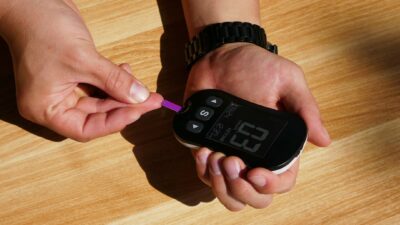
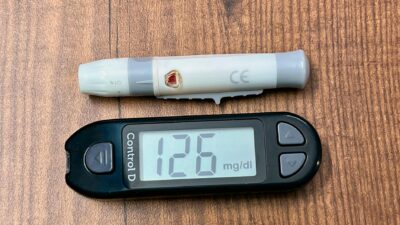
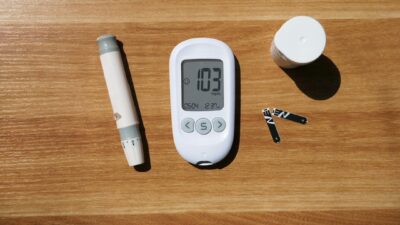
A blood sugar spike often feels like a mix of fatigue, thirst, blurred vision, headache, or brain fog, but some people feel nothing at all. Symptoms typically begin 30 to 90 minutes after a carb-heavy meal and ease as insulin brings glucose back toward baseline. The only way to confirm a spike is with a glucose reading, since many of the symptoms overlap with dehydration, stress, or a simple energy dip.
Common Symptoms of a Blood Sugar Spike
People who notice spikes most often describe a sluggish wave after eating. The body is flooding itself with insulin, and cells are taking in glucose at an uneven pace. Common sensations include tiredness that feels disproportionate to the meal, sudden thirst, frequent urination, mild headache, difficulty concentrating, and blurred vision from osmotic shifts in the lens of the eye. Some people feel warm or sweaty, and a few experience hunger again despite having just eaten.
These symptoms are not universal. People with longstanding diabetes sometimes lose the early warning signs through a phenomenon called hypoglycemia unawareness in the opposite direction, and many people with prediabetes run occasional spikes without any noticeable feeling at all.
Quick-Reference Symptom Table
| Symptom | Typical Timing | What to Check |
|---|---|---|
| Fatigue or sleepiness | 30 to 90 minutes after a meal | Glucose with meter or CGM; meal size |
| Thirst and frequent urination | Within an hour of a spike | Glucose; hydration; recent sugar intake |
| Blurred vision | With sustained highs over hours | Glucose; eye check if persistent |
| Headache | During or after a spike | Glucose; sleep; caffeine intake |
| Brain fog | Shortly after eating | Glucose; meal composition |
| Nausea (severe spikes) | Values above 250 mg/dL | Ketones in urine; call clinician |
Symptoms alone cannot confirm a spike. A meter or CGM reading is the objective step.
What Numbers Define a Spike
Clinicians sometimes define a spike as a rise of more than 50 mg/dL above your pre-meal baseline or any post-meal reading above 180 mg/dL. The American Diabetes Association suggests post-meal targets under 180 mg/dL for many adults with diabetes and under 140 mg/dL for people without diabetes. For people tracking A1C levels, chronic post-meal peaks above 140 mg/dL can push A1C into the prediabetes or diabetes range over months.
Use your personal target as the reference. Your clinician can help you set numbers that fit your age, pregnancy status, medications, and health history.
Why Spikes Happen
Large portions of refined carbs are the most common trigger. Sugary drinks, white bread, rice, pasta, cereal, pastries, and juices spike glucose faster than protein-rich or high-fiber meals. Stress, illness, poor sleep, corticosteroids, and dehydration can also push glucose up. In people with insulin resistance, the pancreas may respond slowly or incompletely, leading to higher peaks and slower returns.
Hormonal events also play a role. Morning glucose can run higher due to the dawn phenomenon, when overnight hormones signal the liver to release glucose before you wake. Menstrual cycles, pregnancy, and menopause can all alter insulin sensitivity and shift the size of post-meal spikes.
How a Spike Feels Over Time
A typical post-meal rise unfolds over three stages. Glucose begins to climb within 15 minutes as carbs digest. The peak usually hits between 30 and 90 minutes, when most symptoms are noticeable. Then glucose drifts back toward baseline over the next one to three hours. In people with robust insulin response, the whole cycle can be over in about two hours. In people with insulin resistance or diabetes, the peak is higher and the descent slower.
Sometimes a sharp rise is followed by a sharper fall, producing a reactive low a few hours later. That low can feel worse than the spike, with shakiness, hunger, and irritability. Balanced meals with protein, fiber, and healthy fats help flatten both the peak and the dip.
How to Tell a Spike From Other Sensations
Fatigue, headache, and brain fog can come from dehydration, caffeine withdrawal, poor sleep, anxiety, or hunger without any glucose change. Keeping a simple log helps separate patterns. Record the meal, the time, the symptoms, and the glucose reading. Over a week you will see whether specific foods consistently line up with symptoms or whether the link is less clear.
If you do not have a meter, the CDC recommends discussing testing options with a clinician. Inexpensive finger-stick meters and over-the-counter CGMs such as Stelo have made home data more accessible than in past years.
Safe First Steps After a Spike
A 10 to 20 minute walk after meals consistently reduces post-meal peaks in small controlled studies. Drinking water helps if you are dehydrated. Avoid stacking more carbs on top, which just prolongs the rise. Do not take extra medication on your own unless your clinician has approved a correction plan.
Longer-term strategies include smaller portions of refined carbs, pairing carbs with protein and fiber, prioritizing sleep, and managing stress. Many people find that rebalancing their prediabetes diet reduces spike frequency within weeks.
When to Call Your Clinician
Contact your clinician if post-meal readings regularly exceed 180 mg/dL, if fasting readings rise above your target, if you develop ketones in urine during illness, or if you feel symptoms of a severe high such as nausea, vomiting, deep labored breathing, or confusion. People with diabetes should also check blood ketones at home if glucose exceeds 240 mg/dL for more than a few hours, since diabetic ketoacidosis is a medical emergency. People with prediabetes should share trends at annual visits to guide next steps.
The Bottom Line
A blood sugar spike often feels like sudden fatigue, thirst, headache, or fuzzy thinking, but symptoms are not always present. Use a meter or CGM to confirm what your body is doing, and lean on walks, water, and balanced meals to blunt the rise. Keep a short log and bring it to your clinician if patterns emerge, so your care plan can adapt before small spikes become bigger problems.
Medical disclaimer: This article is for educational purposes only and does not replace medical advice. Always consult a qualified healthcare provider before starting, stopping, or changing any medical device or therapy.