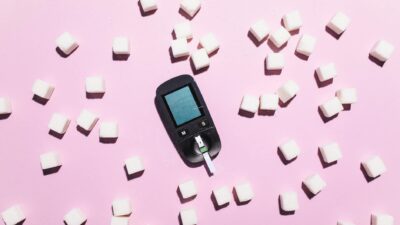
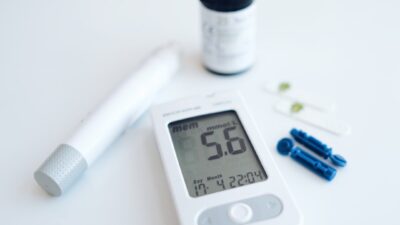
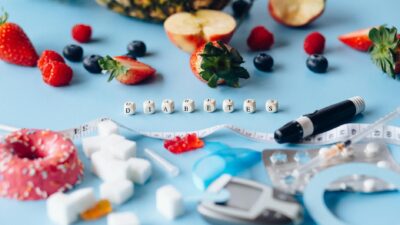
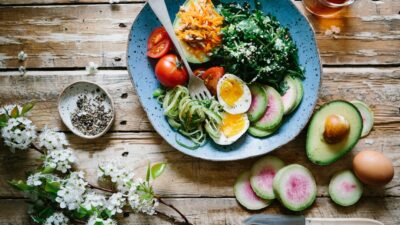
To lower blood sugar through diet, build meals around non-starchy vegetables, legumes, fatty fish, nuts, berries, and vinegar-based dressings, and pair any carbohydrate with protein, fiber, or fat. Swap white bread, white rice, and bagels for whole grains or legumes, and start every meal with a vegetable course. Over three months, consistent choices in that pattern drop A1C by 0.5-1.0 percentage points.
The Eating Pattern That Works
Two dietary patterns have the strongest evidence for lowering blood sugar: the Mediterranean diet and the DASH diet. The PREDIMED trial, published in 2014 in the Annals of Internal Medicine, followed 3,541 adults and showed a Mediterranean diet supplemented with olive oil cut the risk of new-onset type 2 diabetes by 40 percent compared with a low-fat control diet. Both patterns emphasize vegetables, legumes, whole grains, fish, olive oil, nuts, and fruit in season, with minimal added sugar, refined grain, and processed meat.
Non-Starchy Vegetables First
Every meal should start with or be centered on non-starchy vegetables. Spinach, kale, arugula, Swiss chard, broccoli, cauliflower, Brussels sprouts, zucchini, asparagus, cucumbers, and peppers are mostly water and fiber. They contribute almost nothing to the post-meal glucose rise but slow the digestion of whatever follows. Aim for at least two cups at lunch and dinner. For more on building a plate, see the diet and nutrition hub.
Legumes and Pulses
Beans, lentils, chickpeas, and split peas are the highest-fiber carbohydrate source in the typical diet. A 2012 Archives of Internal Medicine trial found adding one cup of legumes daily for three months dropped A1C by 0.5 percent, outperforming a comparison arm that added whole wheat. Their resistant starch ferments in the colon, improving insulin sensitivity. A half cup with dinner four nights a week is a reasonable starting dose.
Fatty Fish
Salmon, sardines, mackerel, trout, and herring deliver EPA and DHA, the long-chain omega-3s that reduce inflammation and improve insulin sensitivity. Replacing red or processed meat with fatty fish twice a week is associated with slower progression from prediabetes to type 2 diabetes. Grill, bake, or pan-sear; skip breaded and fried preparations.
Nuts, Seeds, and Olive Oil
Almonds, walnuts, pistachios, pumpkin seeds, and flax or chia seeds combine healthy fat, fiber, and magnesium. A one-ounce handful before a carbohydrate meal blunts the post-meal peak by 20-30 percent. Extra virgin olive oil, consumed at two to three tablespoons a day in Mediterranean-style cooking, is independently associated with better insulin sensitivity in randomized trials.
Low-Glycemic Fruit
Berries (blueberries, strawberries, raspberries, blackberries), cherries, apples with skin, pears, and citrus have lower glycemic loads than tropical fruit like pineapple, mango, or ripe banana. A cup of berries with Greek yogurt is a dessert that barely moves glucose. Avoid fruit juice entirely; it produces a spike almost identical to soda.
Vinegar and Fermented Foods
A 2004 Diabetes Care trial showed 20 grams of apple cider vinegar with a high-carbohydrate meal lowered the glucose peak by 34 percent in insulin-resistant adults. Salad dressings made with vinegar or lemon, plus pickled vegetables, sauerkraut, kimchi, and plain unsweetened yogurt, all fit this pattern.
Whole Grains in Small Portions
Whole grains raise blood sugar less than refined grains but still raise it. Keep portions at about half a cup cooked for oats, quinoa, barley, or bulgur. Steel-cut oats produce a smaller rise than instant oats because of their coarser texture. Pair any grain portion with protein and fat.
Meal Order Matters
A small 2015 Diabetes Care study by Shukla and colleagues at Weill Cornell found that eating protein and vegetables first, then carbohydrates last, lowered the post-meal glucose peak by about 30 percent versus eating carbohydrates first. Try this at your next meal: start with the salad or cooked vegetables, eat the protein next, and eat the rice, potatoes, or bread last. It costs nothing and works from the first meal.
Sample One-Week Plan
| Day | Breakfast | Lunch | Dinner |
|---|---|---|---|
| Monday | Eggs, spinach, avocado | Lentil soup, green salad | Salmon, roasted broccoli, quinoa (1/2 cup) |
| Tuesday | Greek yogurt, walnuts, berries | Chickpea salad, olive oil | Chicken, zucchini noodles, pesto |
| Wednesday | Steel-cut oats, almonds, cinnamon | Tuna, white beans, arugula | Turkey chili (beans-based), avocado |
| Thursday | Cottage cheese, chia, raspberries | Quinoa tabbouleh, grilled shrimp | Baked cod, asparagus, lentils (1/2 cup) |
| Friday | Eggs, smoked salmon, greens | Mediterranean plate (hummus, olives, veg) | Pork tenderloin, Brussels sprouts, farro (1/2 cup) |
| Saturday | Smoothie (spinach, berries, protein powder) | Grilled chicken, cauliflower rice | Shrimp stir-fry, mixed vegetables, brown rice (1/2 cup) |
| Sunday | Veggie omelet, 1 slice rye toast | White bean and kale soup | Sardines, tomato salad, quinoa (1/2 cup) |
Foods to Limit
Certain foods reliably push blood sugar up. White bread, white rice, sugary cereal, fruit juice, regular soda, candy, pastries, sweetened yogurt, instant oatmeal, and most crackers and chips have high glycemic loads. Processed meat and ultra-processed snack foods are also linked to higher fasting glucose in large cohort studies. Alcohol in excess and evening snacking matter too. See the is prediabetes reversible guide for a full picture of diet-driven reversal.
The Bottom Line
Eating to lower blood sugar means building meals from non-starchy vegetables, legumes, fatty fish, nuts, olive oil, and berries, eating vegetables and protein before any carbohydrate, and swapping refined grains for whole grains or beans. Do this at most meals for three months and expect a 0.5-1.0 point drop in A1C, plus steadier energy and less hunger.