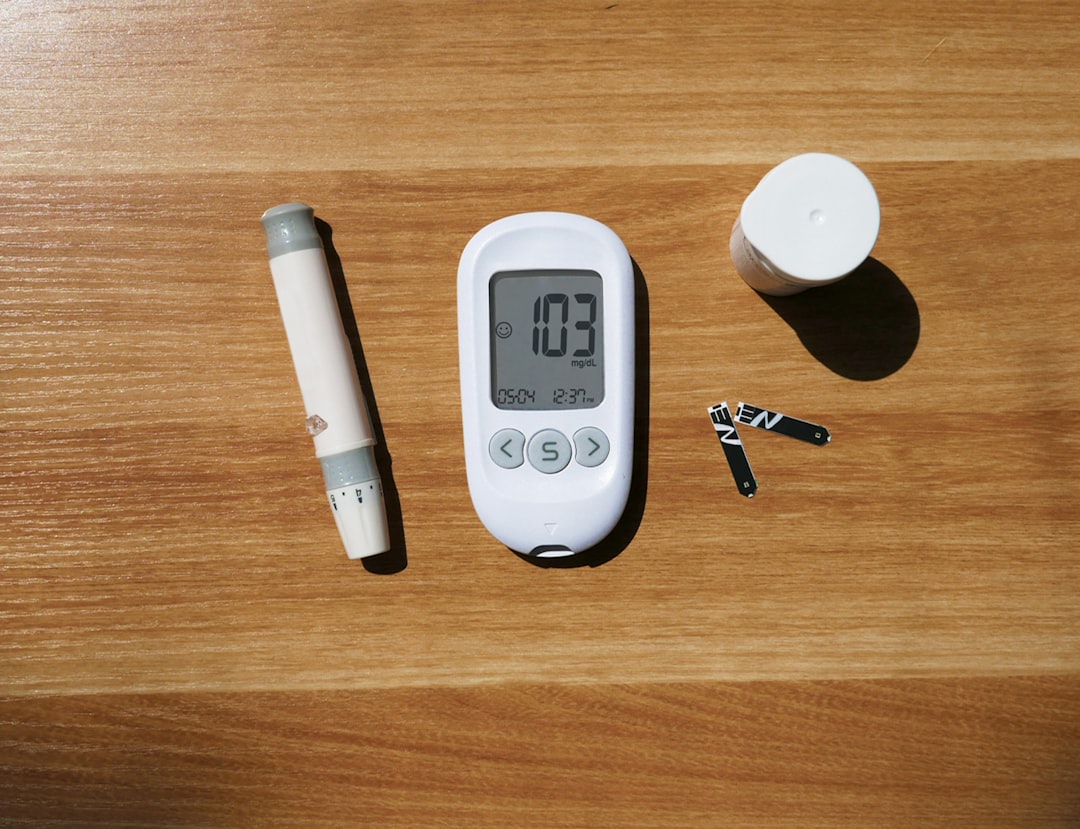
Normal blood glucose levels are under 100 mg/dL when fasting, under 140 mg/dL two hours after a meal, and typically under 140 mg/dL at random times of the day. The American Diabetes Association uses these cutoffs to separate normal glucose metabolism from prediabetes and diabetes.
The Three Main Glucose Tests and Their Normal Ranges
| Test | Normal | Prediabetes | Diabetes |
|---|---|---|---|
| Fasting Plasma Glucose (FPG) | Under 100 mg/dL | 100 – 125 mg/dL | 126 mg/dL or higher |
| 2-Hour Oral Glucose Tolerance (OGTT) | Under 140 mg/dL | 140 – 199 mg/dL | 200 mg/dL or higher |
| Random Plasma Glucose | Under 140 mg/dL | 140 – 199 mg/dL | 200 mg/dL or higher with symptoms |
| Hemoglobin A1C | Under 5.7% | 5.7% – 6.4% | 6.5% or higher |
Diagnosis usually requires two abnormal results, ideally on different days, unless symptoms are clearly present.
Normal Fasting Blood Glucose
Fasting glucose is measured first thing in the morning after at least 8 hours without food or caloric drinks (water is fine). Normal range is 70 to 99 mg/dL.
- Under 70 mg/dL: hypoglycemia (low blood sugar) — discuss with your doctor.
- 70 – 99 mg/dL: normal.
- 100 – 125 mg/dL: prediabetes (impaired fasting glucose).
- 126 mg/dL or higher (confirmed by a repeat test): diabetes.
Normal Blood Glucose After Meals
After a meal, blood glucose rises as carbohydrate is digested and absorbed. In healthy adults, glucose typically peaks 60 to 90 minutes after the meal and returns to baseline by 2 to 3 hours.
- 1-hour post-meal: often under 140 mg/dL; usually under 180 mg/dL even after a large meal.
- 2-hour post-meal: under 140 mg/dL is normal.
- 3-hour post-meal: back to fasting baseline (under 100 mg/dL).
The Oral Glucose Tolerance Test measures glucose 2 hours after drinking a 75-gram glucose solution — the same threshold (under 140) applies.
Normal Blood Glucose by Time of Day
Glucose follows a daily rhythm. Levels are typically lowest in the early morning hours (3 a.m. to 6 a.m.), rise slightly before waking (the “dawn phenomenon”), and fluctuate with meals.
| Time of Day | Typical Normal Range |
|---|---|
| Upon waking (fasting) | 70 – 99 mg/dL |
| Before each meal | 70 – 110 mg/dL |
| 1 hour after a meal | under 140 mg/dL |
| 2 hours after a meal | under 140 mg/dL |
| Bedtime | 90 – 120 mg/dL |
| Overnight (3 a.m.) | 70 – 100 mg/dL |
Normal Blood Glucose by Age
Adult targets are largely the same across ages, but practical considerations differ for older adults and children.
Children and Adolescents (Without Diabetes)
- Fasting: 70 – 100 mg/dL
- Post-meal: under 140 mg/dL
Adults Aged 18 to 64 (Without Diabetes)
- Fasting: 70 – 99 mg/dL
- Post-meal: under 140 mg/dL
- A1C: under 5.7%
Older Adults (65+, Without Diabetes)
Same normal ranges, but small increases with age are common. Postprandial peaks may run slightly higher even in healthy elders due to age-related decline in insulin sensitivity.
Pregnancy
The Hyperglycemia and Adverse Pregnancy Outcome (HAPO) study led to tighter targets for pregnant women:
- Fasting: under 95 mg/dL
- 1-hour post-meal: under 140 mg/dL
- 2-hour post-meal: under 120 mg/dL
Glucose Targets if You Already Have Diabetes
The American Diabetes Association suggests these targets for most non-pregnant adults with diabetes:
- Fasting / pre-meal: 80 – 130 mg/dL
- 2-hour post-meal: under 180 mg/dL
- A1C: under 7.0% (individualized — sometimes higher for older adults or those with frequent hypoglycemia)
For more detail on what counts as a healthy A1C, see our guide to A1C levels.
What Is the A1C Test?
A1C measures the percentage of your hemoglobin that has glucose attached to it, reflecting your average blood glucose over the past 2 to 3 months. Unlike a single glucose reading, it captures patterns and is not affected by recent meals.
| A1C | Estimated Average Glucose | Category |
|---|---|---|
| 5.0% | 97 mg/dL | Normal |
| 5.5% | 111 mg/dL | Normal |
| 5.7% | 117 mg/dL | Prediabetes (lower edge) |
| 6.0% | 126 mg/dL | Prediabetes |
| 6.4% | 137 mg/dL | Prediabetes (upper edge) |
| 6.5% | 140 mg/dL | Diabetes |
| 7.0% | 154 mg/dL | Diabetes |
| 8.0% | 183 mg/dL | Diabetes |
What Affects Blood Glucose Readings?
- Recent food and drink: any caloric intake within hours.
- Stress: raises cortisol and glucose.
- Sleep: short or poor sleep raises fasting glucose.
- Illness or infection: temporarily raises glucose.
- Exercise: can lower glucose for hours.
- Medications: steroids, beta-blockers, some antipsychotics raise glucose; insulin and diabetes drugs lower it.
- Hormonal cycle: insulin sensitivity dips slightly in the luteal phase.
- Hydration: dehydration concentrates glucose.
How to Measure Your Blood Glucose
- Fasting test: done at a lab or with a home glucose meter after 8 hours without food.
- Self-monitoring (home glucose meter): a fingerstick gives a reading in seconds.
- Continuous Glucose Monitor (CGM): a sensor worn on the arm or abdomen reads glucose every 1 to 5 minutes for 7 to 14 days.
- Lab tests: A1C, fasting plasma glucose, and OGTT — gold standards for diagnosis.
What If Your Numbers Are Above Normal?
If your fasting glucose is between 100 and 125 mg/dL, or your A1C is between 5.7% and 6.4%, you have prediabetes. The good news: prediabetes is often reversible. According to the CDC, losing 5 to 7 percent of body weight and getting 150 minutes of moderate exercise per week reduces the risk of progressing to type 2 diabetes by up to 58%. Learn more in our guide to whether prediabetes is reversible.
When to See a Doctor
- Fasting glucose above 100 mg/dL on more than one test
- Random glucose above 140 mg/dL repeatedly
- A1C of 5.7% or higher
- Symptoms of high blood sugar: frequent urination, excessive thirst, blurred vision, unexplained weight loss
- Symptoms of low blood sugar: shakiness, sweating, confusion, hunger
The Bottom Line
Normal blood glucose levels are under 100 mg/dL fasting and under 140 mg/dL two hours after meals, with an A1C under 5.7%. These ranges are the same across most adult ages but tighter in pregnancy. Knowing your numbers — and understanding what they mean — is the first step in protecting yourself from prediabetes, diabetes, and their complications.