Blood glucose levels after eating normally rise, peak within 60 to 90 minutes, and return to baseline by the two- to three-hour mark. In people without diabetes, the peak rarely exceeds 140 mg/dL. In prediabetes, post-meal peaks often reach 140 to 199 mg/dL. In diabetes, they climb above 200 mg/dL. The pattern of the curve matters as much as any single number.
What Happens to Blood Sugar After a Meal
When you eat, carbohydrates are broken down into glucose and absorbed into the bloodstream. The pancreas releases insulin, which shuttles glucose into muscle, liver, and fat cells. In a healthy metabolism, this system keeps blood glucose from climbing too high or crashing too low. In prediabetes and type 2 diabetes, cells stop responding to insulin normally, so glucose lingers in the bloodstream longer and peaks higher.
Target Ranges by Population
| Group | Fasting (mg/dL) | 2 Hours After Eating (mg/dL) |
|---|---|---|
| Adults without diabetes | 70 to 99 | Less than 140 |
| Prediabetes | 100 to 125 | 140 to 199 |
| Diabetes | 126 or higher | 200 or higher |
| ADA target for most adults with diabetes | 80 to 130 | Less than 180 |
When the Peak Actually Happens
The two-hour rule is diagnostic convention, not biology. Continuous glucose monitors show that most post-meal peaks arrive 45 to 90 minutes after the first bite, depending on the meal composition, stomach emptying rate, and insulin response. A pure-carb meal (white rice, soda) produces a sharp early spike; a mixed meal with protein, fat, and fiber creates a slower, lower rise.
What Drives Post-Meal Glucose Higher
- Refined carbohydrates and sugary drinks that digest quickly
- Large portion sizes, especially of starchy foods
- Eating late at night when insulin sensitivity is lower
- Physical inactivity before and after meals
- Poor sleep the night before
- High stress and elevated cortisol
- Certain medications, including corticosteroids and some antipsychotics
What Lowers Post-Meal Glucose
Simple strategies reliably flatten post-meal curves without any medication:
- Eat protein or fiber first, then starch last (food-order matters in small trials)
- Walk 10 to 15 minutes within 30 minutes of finishing the meal
- Swap refined grains for whole grains, legumes, or non-starchy vegetables
- Keep portions moderate; split large meals into two
- Drink water rather than juice or soda with meals
For a deeper dive into meal planning, see our diet and nutrition guide. If you have been diagnosed with prediabetes, our prediabetes 101 overview covers targets, testing, and next steps.
How Post-Meal Numbers Fit Into Diagnosis
An oral glucose tolerance test (OGTT) measures blood glucose two hours after drinking a 75-gram glucose solution. This is a standardized post-meal test used to diagnose prediabetes and gestational diabetes. Per the CDC diagnostic criteria, a two-hour OGTT reading of 140 to 199 mg/dL is prediabetes and 200 mg/dL or higher is diabetes. A1C and fasting glucose provide complementary information; together they paint a fuller picture.
When to See a Clinician
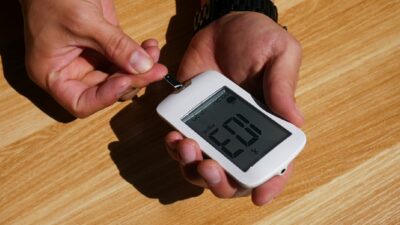
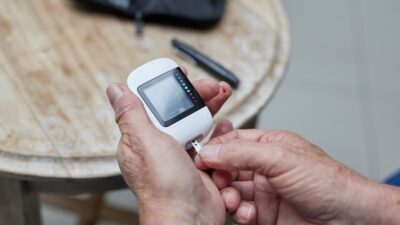
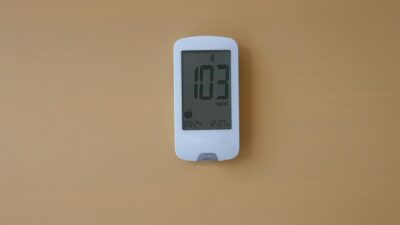
- Repeated post-meal readings above 140 mg/dL at the two-hour mark on a home meter
- Fasting values consistently at 100 mg/dL or higher
- A1C at or above 5.7%
- Classic symptoms: excessive thirst, frequent urination, unexplained weight loss, blurry vision
Using a Continuous Glucose Monitor
CGMs, once reserved for people with diabetes, are increasingly available over the counter. For someone with prediabetes, a 14- to 30-day CGM trial can reveal which foods and habits spike you personally. That information is more actionable than a single lab number. Ask your clinician whether a CGM would be useful.
Myths to Ignore
- “One high reading means diabetes.” It does not. Diagnosis requires repeated abnormal results or an A1C.
- “Fruit always spikes glucose.” Whole fruit with skin, protein, or fat rarely causes harmful spikes.
- “You can feel a spike.” Most post-meal spikes are silent. Measurement is the only reliable way to know.
The Bottom Line
Blood glucose levels after eating should peak under 140 mg/dL in healthy adults, under 180 mg/dL if you are managing diabetes, and return to near-baseline within two to three hours. Consistent post-meal readings of 140 mg/dL or higher at two hours are a signal to test your A1C and talk with your clinician about prediabetes. Small changes to meal composition, order, and post-meal movement can dramatically reshape your personal curve.
Medical disclaimer: This article is for educational purposes and is not medical advice. Discuss any concerns about your glucose levels with your clinician.