Yes, metabolic syndrome can be reversed in most people through sustained lifestyle change, with modest weight loss (5-10 percent of body weight), regular exercise, and improved diet typically moving the underlying markers within 3-12 months. The sooner you intervene, the better the odds of full reversal and the lower your long-term risk of diabetes and cardiovascular disease.
What Metabolic Syndrome Actually Is
Metabolic syndrome is a cluster of related conditions that together raise your risk of type 2 diabetes, heart attack, stroke, and fatty liver disease. It is not one disease; it is a diagnostic label applied when three or more of the following five criteria are present:
- Waist circumference 40+ inches (men) or 35+ inches (women)
- Triglycerides 150 mg/dL or higher (or on treatment)
- HDL cholesterol under 40 mg/dL (men) or 50 mg/dL (women)
- Blood pressure 130/85 mmHg or higher (or on treatment)
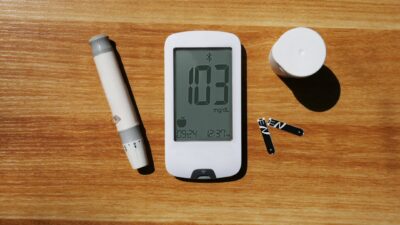
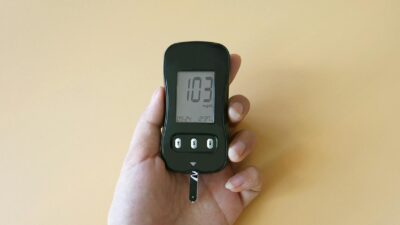
- Fasting glucose 100 mg/dL or higher (or on treatment)
Insulin resistance is the central thread connecting these features. Excess visceral fat drives insulin resistance, which in turn worsens glucose, lipids, and blood pressure.
Why It Matters
Metabolic syndrome roughly doubles the risk of cardiovascular disease and raises the risk of type 2 diabetes by five-fold. According to the CDC, lifestyle change programs cut progression to diabetes by more than half in high-risk adults. Nonalcoholic fatty liver disease, polycystic ovary syndrome, and obstructive sleep apnea also cluster with the syndrome.
Can It Truly Be Reversed?
“Reversal” means no longer meeting three of the five criteria. This is achievable for most people. The Diabetes Prevention Program trial found that structured lifestyle change reduced new diabetes cases by 58 percent over three years. The DiRECT trial showed that intensive weight loss put type 2 diabetes into full remission in nearly half of participants at one year. Metabolic syndrome, which is an earlier point on the same disease continuum, is typically even more responsive.
Reversal Timeline
| Timeframe | Expected Changes |
|---|---|
| Weeks 1-4 | Fasting glucose starts to drop, energy improves, first pounds of fat lost |
| Weeks 4-12 | Triglycerides fall, blood pressure trends down, waist measurements shrink |
| Months 3-6 | HDL rises, A1C drops, fatty liver improves on imaging and enzymes |
| Months 6-12 | Many people no longer meet the 3-of-5 criteria; durable remission possible |
The Five Levers That Work
1. Lose Visceral Fat (Even a Little)
Visceral fat, the fat wrapped around internal organs, drives most of the metabolic dysfunction. Losing just 5-10 percent of total body weight substantially shrinks it. Waist circumference is a simple tracking tool. Any loss helps; you do not have to reach “ideal” weight to reverse metabolic syndrome.
2. Move Regularly
Target at least 150 minutes of moderate aerobic activity per week (like brisk walking) plus 2-3 resistance training sessions. Exercise improves insulin sensitivity immediately, even before weight changes, and helps maintain muscle mass during weight loss.
3. Change What You Eat
Mediterranean, DASH, and lower-carb patterns all work. The highest-impact swaps for most people: cut sugar-sweetened beverages, reduce refined flour products, and double your non-starchy vegetable intake. Our diet and nutrition hub covers specific foods and meal templates.
4. Sleep and Stress
Seven to nine hours of consistent sleep improves insulin sensitivity and appetite regulation. Untreated sleep apnea is a major driver of metabolic syndrome, so if you snore loudly or wake unrefreshed, get evaluated. Chronic stress raises cortisol, which worsens visceral fat and blood sugar.
5. Treat Each Criterion As Needed
If lifestyle change cannot move a specific marker into target range, medications exist for each: statins or fibrates for lipids, antihypertensives for blood pressure, metformin or GLP-1 agonists for glucose. Treating each component reduces cardiovascular risk even if full reversal is not achieved.
Common Causes and Contributors
- Excess body weight, especially abdominal
- Physical inactivity
- High intake of refined carbohydrates, ultra-processed foods, and sugar-sweetened beverages
- Age (risk rises with decade)
- Genetics and family history of type 2 diabetes
- Polycystic ovary syndrome (PCOS)
- Obstructive sleep apnea
- Certain medications (corticosteroids, some antipsychotics)
Symptoms That Prompt Testing
Metabolic syndrome often has no symptoms until complications appear. Warning signs that prompt evaluation include increasing waist size, fatigue after meals, skin changes like acanthosis nigricans (dark velvety patches), erectile dysfunction, and elevated readings on a home blood pressure or glucose device. For more on early signals, see our symptoms of prediabetes guide.
What to Measure
- Fasting glucose and A1C at least yearly
- Lipid panel (total, LDL, HDL, triglycerides)
- Blood pressure at home and in-office
- Waist circumference
- Liver enzymes (ALT, AST) if fatty liver is suspected
When Medication Makes Sense
If blood pressure stays 130/80+ despite lifestyle change, or A1C climbs into the prediabetes or diabetes range, medication is reasonable. Statins are standard when 10-year cardiovascular risk is elevated. Metformin helps some people with prediabetes, and GLP-1 agonists or tirzepatide (Mounjaro, Zepbound) may be appropriate for people with obesity. These decisions belong in a shared conversation with your clinician.
Prevention: Stopping It Before It Starts
Regular movement, limiting ultra-processed food, sleeping enough, and annual screening are the best prevention. Family history is not destiny; the Diabetes Prevention Program showed that people with prediabetes could cut diabetes risk dramatically with structured lifestyle change. Visit our prediabetes 101 hub for foundational guidance.
The Bottom Line
Can metabolic syndrome be reversed? For most people, yes. Modest weight loss, regular exercise, a whole-food diet, and enough sleep can move the markers out of the danger zone within 3-12 months. Long-standing or severe cases may need medication alongside lifestyle change, and everyone benefits from ongoing monitoring. The earlier you act, the more complete the reversal and the lower your lifetime risk of diabetes and cardiovascular disease.
Medical disclaimer: This article is educational only and does not substitute for personalized medical advice. Work with your healthcare provider on diagnosis and treatment decisions.