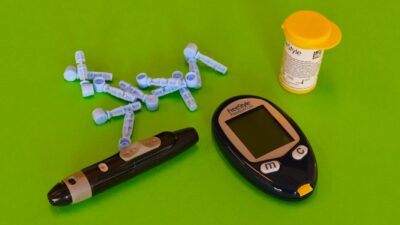
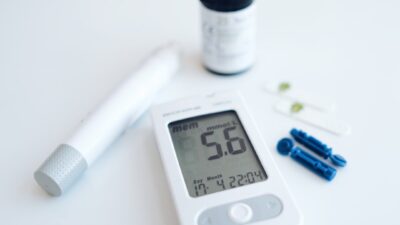
The 2-hour glucose test is the 2-hour blood draw of a 75-gram oral glucose tolerance test (OGTT). It measures how well your body processes a standardized carbohydrate load. Normal is under 140 mg/dL; 140 to 199 is prediabetes; 200 or above is diabetes. The test is the ADA gold standard for diagnosing impaired glucose tolerance and is often used when A1C is borderline or fasting glucose appears normal but symptoms persist. Preparation matters — fast 8 to 12 hours, eat at least 150 g of carbs daily for 3 days beforehand, and avoid exercise the morning of.
How the Test Works
- Arrive at the lab fasting (8 to 12 hours, water only).
- First blood draw: fasting glucose (baseline).
- Drink 75 grams of glucose solution within 5 minutes — a sweet, thick sugary drink (Glucola, Orange Dex, or similar).
- Sit quietly in the lab. No eating, smoking, vigorous activity, or caffeine.
- Second blood draw at 1 hour (optional, depending on protocol).
- Third blood draw at 2 hours — the diagnostic value.
- Lab processes samples and results come back in 1 to 24 hours.
Interpreting the 2-Hour Result
| 2-Hour Glucose | Category | Meaning |
|---|---|---|
| Under 140 mg/dL | Normal | Normal glucose tolerance |
| 140–199 mg/dL | Prediabetes | Impaired glucose tolerance; elevated risk of type 2 diabetes |
| 200 mg/dL or above | Diabetes | Diabetes (confirmed with repeat on a different day) |
Full OGTT Reference — Fasting Plus 2 Hours
| Category | Fasting | 2-hour | A1C equivalent |
|---|---|---|---|
| Normal | Under 100 | Under 140 | Under 5.7% |
| Prediabetes | 100–125 | 140–199 | 5.7–6.4% |
| Diabetes | 126 or above | 200 or above | 6.5% or above |
Pre-Test Preparation in Detail
- 3 days before: eat a normal mixed diet with at least 150 g carbs per day. Ketogenic and very-low-carb diets cause a falsely poor OGTT because the body temporarily downregulates glucose tolerance.
- Night before: normal dinner; stop eating and drinking caloric beverages by 8 to 10 PM (or 12 hours before appointment).
- Morning of: plain water only. Take prescription medications unless your clinician says otherwise. Avoid caffeine.
- Exercise: avoid strenuous activity the day of the test; morning walk is fine.
- Smoking: avoid for at least 12 hours before; nicotine affects glucose tolerance.
- Illness: if you are sick (cold, flu, infection), reschedule; acute illness raises glucose.
What to Expect During the Test
- The glucose drink is very sweet; many people find it nauseating
- Finish within 5 minutes; lab tech will note the start time
- Sit or lie down between draws; walking around can alter results
- Nausea, lightheadedness, or sweating are common
- Do not vomit if possible; if you vomit within 30 minutes, the test typically needs to be rescheduled
- Plan for 2.5 to 3 hours at the lab
- Bring reading material, a laptop, or something to pass time
When OGTT Is Ordered Instead of A1C
- Borderline or conflicting A1C and fasting glucose results
- Suspected prediabetes with normal A1C (common in patients with anemia or hemoglobinopathies that distort A1C)
- Post-pregnancy postpartum testing for gestational diabetes resolution
- PCOS evaluation for insulin resistance
- After bariatric surgery for hypoglycemia evaluation
- Research protocols
- When the clinician needs to know timing of glucose rise (1 hour vs 2 hour) for reactive hypoglycemia evaluation
Why OGTT Can Catch What A1C Misses
A1C averages glucose over 2 to 3 months, so a person with big postprandial spikes but normal fasting values can have a deceptively low A1C. Insulin resistance often shows up first as impaired glucose tolerance — the body needs more insulin to handle a meal even while fasting glucose and A1C still look normal. An OGTT makes this visible. See our related guides on A1C levels and detection of prediabetes.
OGTT During Pregnancy
Pregnancy uses different protocols and cutoffs. The standard approach in the US is:
- 24 to 28 weeks gestation
- 1-hour 50-gram screening test (non-fasting) with a 140 mg/dL threshold — if positive, proceed to diagnostic 3-hour OGTT
- 3-hour 100-gram OGTT with cutoffs: fasting 95, 1-hour 180, 2-hour 155, 3-hour 140 — meeting two or more diagnoses gestational diabetes
- Alternative: one-step 75-gram 2-hour OGTT with cutoffs: fasting 92, 1-hour 180, 2-hour 153
What to Do With a Prediabetes or Diabetes Result
- Confirm with a repeat test on a different day (ADA recommendation for diagnosis)
- Discuss lifestyle changes with your clinician — weight loss of 5 to 10 percent, 150 minutes per week of moderate activity, reduced refined carbs and sugary beverages
- Consider metformin if BMI ≥ 35 or younger than 60 or prior gestational diabetes, per ADA
- Schedule follow-up A1C in 3 to 6 months
- Monitor blood pressure and lipids — prediabetes often coexists with these
Common Preparation Mistakes
- Switching to a low-carb diet the week before (falsely worsens result)
- Fasting too long (more than 16 hours can cause cortisol-driven rise)
- Exercising heavily the morning of (lowers glucose unpredictably)
- Drinking coffee or tea during the test
- Not sitting still between draws
- Skipping the 3-day normal diet guideline
Related Reading
See our guides on detection of prediabetes and A1C levels.
The Bottom Line
The 2-hour glucose test is the 2-hour draw of a 75-gram OGTT, the gold-standard test for impaired glucose tolerance. Under 140 is normal; 140 to 199 is prediabetes; 200 or above is diabetes. Prepare by fasting 8 to 12 hours, eating at least 150 g carbs daily for 3 days prior, and avoiding exercise the morning of. Follow your clinician’s instructions on medications. A result above normal is a reason to change your lifestyle, not a sentence — most patients with prediabetes avoid progression to diabetes with modest, sustained changes to weight, activity, and diet.