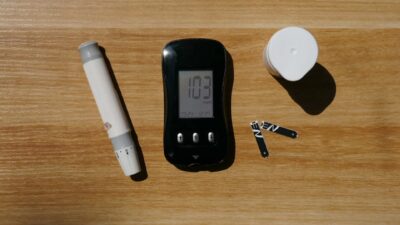
The 3-hour glucose test is the diagnostic oral glucose tolerance test (OGTT) for gestational diabetes, performed after a positive 1-hour screening test. Using Carpenter-Coustan cutoffs — fasting 95, 1-hour 180, 2-hour 155, and 3-hour 140 mg/dL — two or more abnormal values confirm GDM. One abnormal value is a borderline result. A normal test (all four values below cutoff) means no GDM and you continue standard prenatal care. A GDM diagnosis leads to nutrition counseling, glucose self-monitoring, and sometimes insulin or metformin.
Carpenter-Coustan Cutoffs
| Time Point | Cutoff (mg/dL) | What It Reflects |
|---|---|---|
| Fasting | 95 | Baseline glucose handling |
| 1 hour post-drink | 180 | Peak glucose absorption |
| 2 hours post-drink | 155 | Clearance phase |
| 3 hours post-drink | 140 | Return to baseline |
Result Interpretation
| Pattern | Interpretation |
|---|---|
| All 4 values below cutoff | Normal — no GDM |
| 1 value at or above cutoff | Borderline — impaired glucose tolerance; monitoring at OB discretion |
| 2+ values at or above cutoff | Gestational diabetes (GDM) confirmed |
| Fasting ≥ 126 | Likely preexisting diabetes — requires fuller evaluation |
| Any value ≥ 200 | Significant hyperglycemia — warrants GDM diagnosis regardless of other values |
How the Test Works
- Arrive at the lab fasting (8 to 12 hours; water only overnight)
- First blood draw — fasting glucose
- Drink 100 grams of glucose solution within 5 minutes
- Stay seated in the lab for 3 hours
- Second blood draw at 1 hour
- Third blood draw at 2 hours
- Fourth blood draw at 3 hours
- Results processed; report usually available within 24 hours
How the 3-Hour Test Differs From the 1-Hour
| Feature | 1-Hour Screen | 3-Hour Diagnostic |
|---|---|---|
| Purpose | Screening — identifies who needs further testing | Diagnosis — confirms or rules out GDM |
| Fasting required | No | Yes (8–12 hours) |
| Glucose load | 50 grams | 100 grams |
| Draws | 1 (at 1 hour) | 4 (fasting, 1 hr, 2 hr, 3 hr) |
| Threshold for fail | 140 or 130 mg/dL (institution-dependent) | 2+ values at Carpenter-Coustan cutoffs |
| Time in lab | ~1 hour | ~3.5 hours |
Common Outcomes
Normal Test
All four values below cutoff. Continue standard prenatal care. Rescreen typically not needed unless new symptoms, excessive weight gain, or prior GDM history. Delivery care unchanged.
One Abnormal Value
Borderline (impaired glucose tolerance in pregnancy). Management varies by OB — some monitor with periodic home fingersticks, some repeat the test at 32 to 34 weeks, and some follow standard care. Risk of complications is intermediate between normal and GDM. Nutrition attention matters.
Two or More Abnormal Values — Gestational Diabetes
GDM confirmed. Standard next steps:
- Nutrition counseling with a registered dietitian within 1 to 2 weeks
- Glucose self-monitoring 4 times daily (fasting + 1- or 2-hour after each meal)
- Target: fasting under 95, 1-hour post-meal under 140, 2-hour post-meal under 120
- Moderate daily exercise (walking after meals)
- Weekly or biweekly OB visits with glucose review
- If diet and exercise do not control glucose, add insulin or metformin
- Fetal surveillance (growth ultrasound, non-stress tests) increases as delivery approaches
What Affects the Test Results
- Insufficient carb prep: eating low-carb for 3 days before the test falsely elevates values
- Illness or infection: raises glucose; reschedule if possible
- Vomiting during test: invalidates the test; reschedule
- Stress: cortisol raises glucose; try to be calm
- Medications: corticosteroids, beta-blockers, some antipsychotics raise glucose
- Timing of prior meal: fasting must be complete; night-before-dinner timing matters
- Exercise morning of test: may lower or raise values unpredictably; avoid
- Smoking: affects glucose tolerance; avoid 12 hours prior
Preparation for the Test
- 3 days before: eat a normal mixed diet with at least 150 g of carbs per day
- Night before: normal dinner; stop eating and caloric beverages 8 to 12 hours before the draw
- Morning of: only plain water; take prescription medications as directed
- Avoid strenuous exercise the morning of
- Arrive 15 minutes early
- Bring reading material or a laptop for the 3-hour wait
- Wear short sleeves or easy-access top
What to Do With a GDM Diagnosis
- Accept the diagnosis as a treatable condition — about 7 to 10 percent of pregnancies have GDM
- Schedule nutrition counseling within 1 to 2 weeks
- Start glucose self-monitoring with a meter (your OB will prescribe strips)
- Review the glucose log at each OB visit
- Begin a regular moderate activity plan (20 to 30 minute walks after meals especially helpful)
- Track fetal movement daily after 28 weeks
- Attend all growth ultrasounds
- Plan for postpartum follow-up — repeat OGTT 6 to 12 weeks after delivery
Longer-Term Significance of GDM
- About 50 percent of women with GDM develop type 2 diabetes within 10 to 20 years
- Annual A1C screening recommended after pregnancy
- Next pregnancy: early 1-hour screening (often at first prenatal visit) because recurrence risk is high
- Lifestyle interventions (weight management, activity, balanced diet) reduce future risk by about 50 percent
- Breastfeeding is associated with reduced future diabetes risk for both mother and child
Related Reading
See our guides on the 1-hour glucose screen and pregnancy, the 2-hour glucose test, and detection of prediabetes.
The Bottom Line
The 3-hour glucose test diagnoses gestational diabetes using Carpenter-Coustan cutoffs — fasting 95, 1-hour 180, 2-hour 155, and 3-hour 140 mg/dL. Two or more abnormal values confirm GDM; one abnormal is borderline; all normal means no diagnosis. A GDM diagnosis leads to nutrition counseling, glucose self-monitoring, and sometimes insulin or metformin. Prepare carefully — eat a normal carb-containing diet for 3 days before, fast overnight, and avoid illness or vomiting during the test. GDM is treatable, and with good management most women have healthy pregnancies. Postpartum follow-up matters because future type 2 diabetes risk is elevated.